Balancing Protein and Digestive Health on Weight Loss Meds
Learn how to balance protein intake and digestive health while on weight loss meds like Wegovy. Essential tips for a healthier lifestyle.
Balancing Protein and Digestive Health on Weight Loss Meds
In the ever-evolving landscape of weight loss solutions, medications such as Wegovy have gained significant traction for their efficacy. However, while these medications can facilitate weight loss, they often come with a set of digestive side effects that can complicate the journey towards a healthier lifestyle. One of the most pressing concerns for individuals on weight loss medications is maintaining an adequate protein intake. Understanding how to balance protein consumption with digestive health is crucial for optimizing results. This article delves into the strategies for optimizing protein on weight loss meds, focusing on practical approaches to manage protein intake while mitigating digestive issues.
Understanding the Role of Protein in Weight Loss

Protein plays an essential role in weight loss and overall health. It is a vital macronutrient that supports muscle repair, growth, and maintenance, especially important for individuals looking to lose weight while preserving lean muscle mass. Additionally, protein is known for its satiating properties, helping individuals feel fuller for longer periods, which can assist in reducing overall calorie intake.
The Importance of Protein Intake for Weight Loss
Maintaining an adequate protein intake is critical for several reasons:
Muscle Preservation: During weight loss, it is common to lose muscle mass alongside fat. Ensuring a higher protein intake helps preserve muscle, which is vital for maintaining metabolic rate.
Satiety: High-protein foods can increase feelings of fullness, which may lead to lower overall calorie consumption. This can be particularly beneficial for those on weight loss medications that may suppress appetite.
Nutrient Density: Protein-rich foods often contain essential vitamins and minerals, contributing to overall health. A balanced diet rich in protein can help mitigate nutrient deficiencies that may arise during caloric restriction.
Common Misconceptions About Protein Intake
Despite the well-documented benefits of protein, several misconceptions persist:
High Protein Equals Unhealthy: Many believe that high protein diets are inherently unhealthy, associating them with excessive fat intake. However, lean protein sources, such as chicken, fish, legumes, and plant-based options, can be part of a healthy diet.
Protein Only from Animal Sources: While animal products are rich in protein, plant-based sources like beans, lentils, quinoa, and nuts can provide sufficient protein and are often lower in calories and fat.
One Size Fits All: Individual protein needs vary based on factors such as age, activity level, and overall health. A tailored approach to protein intake is essential for achieving optimal results.
Managing Digestive Side Effects While on Wegovy
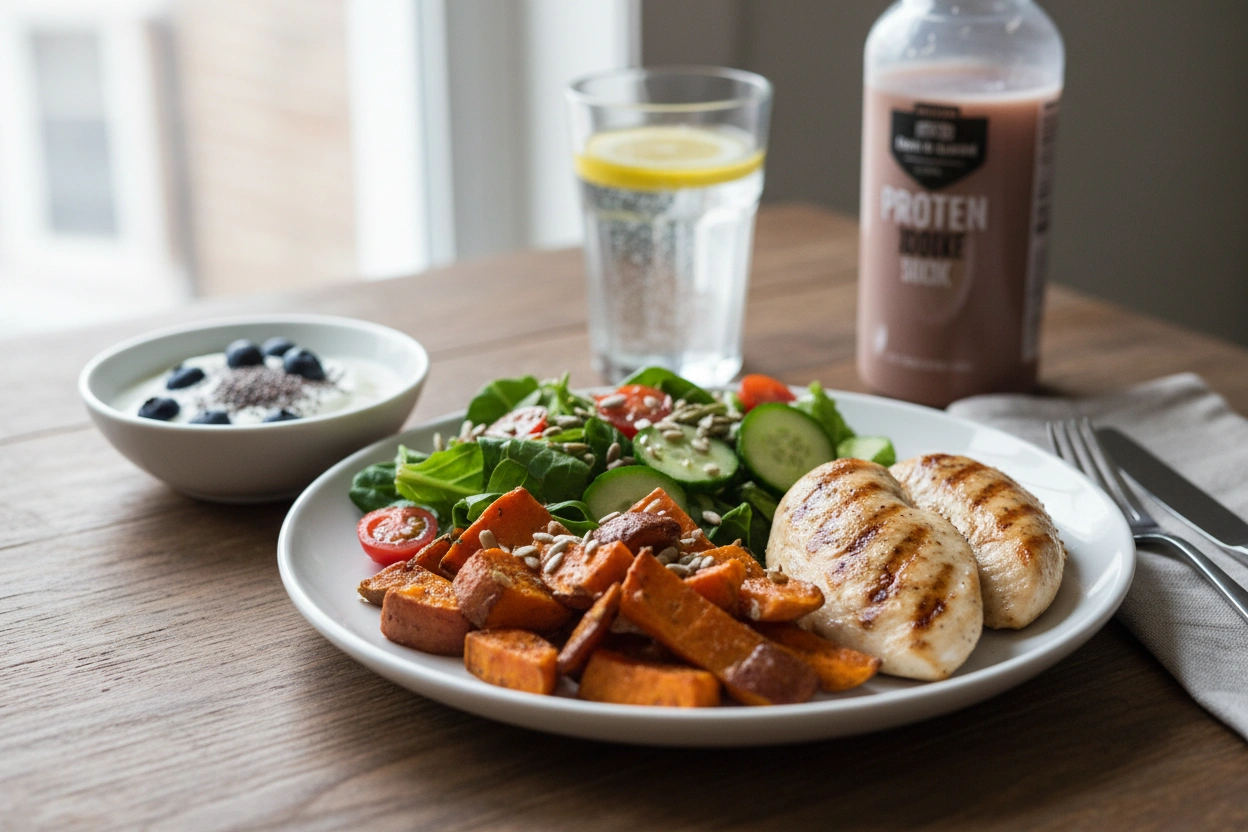
Wegovy, a popular weight loss medication, is known to cause digestive side effects such as nausea, diarrhea, and constipation. These symptoms can significantly impact one's ability to maintain a balanced diet, particularly concerning protein intake. Understanding how to manage these side effects is essential for optimizing protein on weight loss meds.
Strategies for Alleviating Digestive Issues
To successfully manage digestive side effects while ensuring adequate protein intake, consider the following strategies:
Gradual Dietary Changes: Introduce protein-rich foods slowly into your diet to allow your digestive system to adapt. Start with small portions and gradually increase as tolerated.
Choose Easily Digestible Proteins: Opt for proteins that are easier on the digestive system, such as:
- Greek yogurt
- Eggs
- Fish
- Smoothies made with protein powder
Hydration: Staying well-hydrated can help alleviate constipation and support overall digestive health. Aim for sufficient water intake throughout the day.
Fiber Intake: Incorporate soluble fiber sources, such as oats and chia seeds, which can help regulate digestion without overwhelming the system.
Timing and Frequency of Protein Consumption
For those managing digestive side effects, timing and frequency of protein intake can be crucial:
Smaller, Frequent Meals: Instead of three large meals, consider eating smaller, more frequent meals throughout the day. This can help prevent overwhelming the digestive system.
Protein Timing: Consuming protein-rich foods at the beginning of meals may improve satiety and help mitigate digestive discomfort.
Liquid Protein Sources: Incorporating protein shakes or smoothies can provide necessary protein without the bulk that solid foods may present, making them easier to digest.
Optimizing Protein Intake for Weight Loss

Once you have a handle on managing digestive side effects, the next step is to focus on optimizing protein intake for effective weight loss. This involves understanding not only how much protein to consume but also the best sources and combinations.
Recommended Daily Protein Intake
The recommended daily protein intake can vary significantly based on individual goals and activity levels. For those aiming for weight loss, a general guideline is:
- 1.2 to 2.0 grams of protein per kilogram of body weight: This range can help support muscle maintenance while losing weight. Adjustments may be necessary based on exercise intensity and personal health.
Best Protein Sources
Incorporating a variety of protein sources into your diet can enhance nutrient intake and keep meals interesting:
Lean Meats: Chicken breast, turkey, and lean cuts of beef provide high-quality protein with lower fat content.
Fish: Rich in omega-3 fatty acids and protein, fish like salmon and tuna are excellent choices.
Plant-Based Options: Beans, lentils, chickpeas, tofu, and tempeh are fantastic sources of protein, especially for those following a vegetarian or vegan diet.
Dairy Products: Greek yogurt and cottage cheese offer protein along with probiotics that can aid digestion.
Meal Planning for Protein Optimization
Meal planning can be a powerful tool for ensuring adequate protein intake while managing digestive health. Consider the following steps:
Plan Balanced Meals: Each meal should include a source of protein, healthy fats, and fiber-rich carbohydrates to create a balanced plate.
Batch Cooking: Preparing protein-rich meals in advance can simplify daily nutrition and ensure you have easy access to healthy options.
Snacking Wisely: Incorporate protein-rich snacks such as nuts, seeds, or protein bars to maintain energy levels and satiety throughout the day.
Common Mistakes and How to Avoid Them
While optimizing protein intake on weight loss meds, several common pitfalls can hinder progress. Here are some mistakes to avoid:
Neglecting Nutritional Variety: Focusing solely on protein can lead to nutrient deficiencies. Ensure a balanced intake of carbohydrates and fats alongside protein.
Ignoring Digestive Signs: If experiencing discomfort, it is crucial to listen to your body and adjust your protein intake or sources accordingly.
Overconsumption of Processed Protein: While convenient, many processed protein products can contain added sugars and unhealthy fats. Choose whole food sources whenever possible.
The Intersection of Protein and Digestive Health
Navigating the complexities of protein intake while managing digestive health on weight loss medications like Wegovy can be challenging. However, by implementing the strategies discussed, individuals can optimize their protein consumption to support weight loss effectively.
Understanding how to balance these elements is essential for achieving lasting results and maintaining overall well-being. FlowWell — Finally Feel Good on Your GLP can provide additional support in this journey by offering tailored guidance on nutrition and health management. health and comfort.
Embrace Your Journey with FlowWell
As you explore the benefits of optimizing protein on weight loss meds, remember that managing digestive health is equally important. By following the actionable insights in this article, you can create a balanced approach that supports both your weight loss goals and digestive well-being. meal planning can be a powerful tool for ensuring adequate protein intake while managing digestive health.