Best Fiber Supplements for GLP1 Constipation Relief Explained
Discover effective fiber supplements for GLP1 constipation relief. Learn what you can take for GLP1 constipation and improve your comfort today.
Best Fiber Supplements for GLP1 Constipation Relief Explained
Constipation is a common side effect associated with GLP-1 agonists, such as Ozempic, which are increasingly used for weight management and diabetes control. Many individuals experiencing these side effects often ask, "What can I take for GLP1 constipation?" Understanding how to manage this condition effectively is crucial for maintaining comfort and adherence to these medications. This article provides a comprehensive guide to alleviating constipation caused by GLP-1 agonists, with a focus on fiber supplements and dietary strategies.
Understanding GLP-1 Agonists and Constipation

What Are GLP-1 Agonists?
GLP-1 (glucagon-like peptide-1) agonists are a class of medications that mimic the effects of the GLP-1 hormone in the body. They help regulate blood sugar levels by stimulating insulin secretion and reducing glucagon release. Common medications in this category include Ozempic, Trulicity, and Saxenda. While these medications are effective for managing type 2 diabetes and aiding weight loss, they can also cause gastrointestinal side effects, including constipation.
The Mechanism Behind Constipation
The mechanism by which GLP-1 agonists cause constipation is primarily related to their effects on gut motility. These medications slow down gastric emptying and can reduce intestinal peristalsis, leading to harder stools and difficulty in bowel movements. Understanding this mechanism is essential for developing effective strategies to mitigate constipation symptoms.
What Can I Take for GLP1 Constipation?

When seeking relief from GLP-1 agonist-induced constipation, fiber supplements can be a valuable addition to your diet. Here, we explore some of the best fiber supplements that can help ease constipation effectively.
1. Psyllium Husk
Psyllium husk is a soluble fiber that absorbs water and forms a gel-like substance in the intestines, which can help to soften stools and promote regular bowel movements.
- Dosage: Typically, 1 tablespoon (about 12 grams) mixed in water once or twice daily.
- Benefits: Increases stool bulk, improves gut transit time, and is well-tolerated by most individuals.
2. Methylcellulose
Methylcellulose is another soluble fiber that acts as a bulking agent. It is often found in over-the-counter laxatives.
- Dosage: 1 to 2 tablespoons (about 15-30 grams) per day, mixed with water.
- Benefits: Effective for increasing stool frequency and alleviating constipation without causing bloating.
3. Wheat Dextrin
Wheat dextrin is a soluble fiber that can be easily incorporated into various foods and beverages, making it a convenient option.
- Dosage: About 1 tablespoon (7 grams) mixed into food or drinks once daily.
- Benefits: Promotes bowel regularity and is often less likely to cause gas compared to other fiber supplements.
4. Inulin
Inulin is a prebiotic fiber that not only helps with constipation but also supports gut health by promoting the growth of beneficial bacteria.
- Dosage: 5 to 10 grams daily, gradually increasing to avoid digestive discomfort.
- Benefits: Supports overall gut health while alleviating constipation symptoms.
5. Ground Flaxseed
Ground flaxseed is a natural source of both soluble and insoluble fiber, making it effective for promoting bowel regularity.
- Dosage: 1 to 2 tablespoons mixed into smoothies, yogurt, or oatmeal.
- Benefits: Provides omega-3 fatty acids along with fiber, enhancing digestive health.
Dietary Strategies to Complement Fiber Supplements
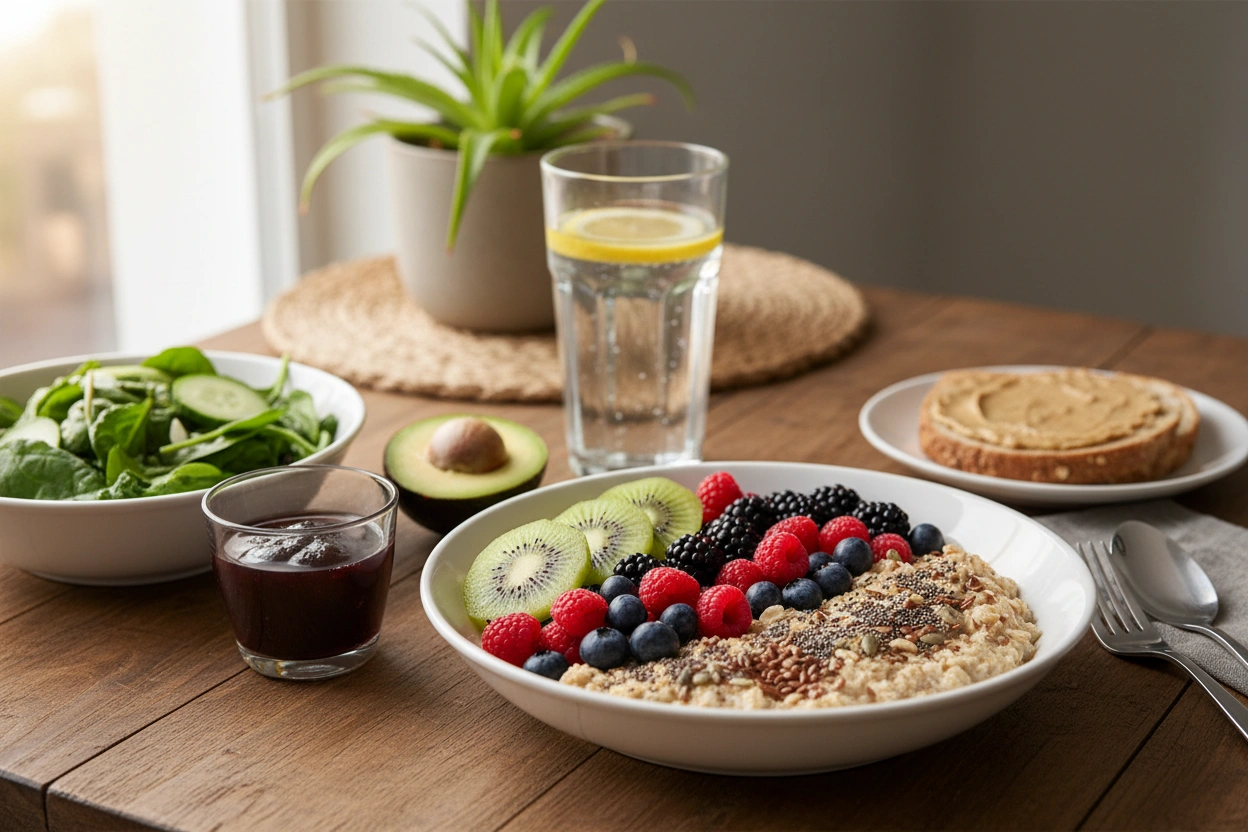
In addition to fiber supplements, dietary changes can significantly impact constipation relief for those taking GLP-1 agonists.
Increase Fluid Intake
Staying well-hydrated is essential when increasing fiber intake, as water helps to soften stools and facilitate their passage through the intestines. Proper hydration for weight loss eases constipation.
- Aim for at least 8-10 cups of water daily.
- Consider herbal teas and broth as additional fluid sources.
Incorporate High-Fiber Foods
Including a variety of high-fiber foods in your diet can further aid in preventing and alleviating constipation.
- Fruits: Apples, pears, berries, and prunes are excellent sources of fiber.
- Vegetables: Leafy greens, broccoli, and carrots provide both soluble and insoluble fiber.
- Whole Grains: Foods like oats, quinoa, and brown rice are rich in fiber and promote digestive health.
Avoid Processed Foods
Processed foods often lack fiber and can exacerbate constipation. Reducing intake of these foods can help improve gut health.
- Limit consumption of fast foods, snacks, and sugary beverages.
- Focus on whole, unprocessed foods for better digestive outcomes.
Common Misconceptions About Fiber and Constipation
Misconception 1: All Fiber is the Same
Many people believe that all types of fiber provide the same benefits. However, soluble and insoluble fibers serve different purposes. Soluble fiber helps to soften stools, while insoluble fiber adds bulk. A balanced intake of both is necessary for optimal digestive health.
Misconception 2: Fiber Supplements Are a Quick Fix
While fiber supplements can help alleviate constipation, they are not a standalone solution. A comprehensive approach that includes dietary changes, hydration, and regular physical activity is essential for long-term relief from constipation.
Addressing GLP-1 Agonist Side Effects
Managing side effects from GLP-1 agonists requires a proactive approach. Aside from constipation, users may experience nausea, vomiting, or abdominal pain. Understanding these side effects can help users better navigate their treatment plans. Managing side effects from GLP-1 agonists requires a proactive approach.
Tips for Managing Side Effects
- Start with a low dose: Gradually increase the dosage of your medication to allow your body to adjust.
- Eat smaller meals: Frequent, smaller meals can help mitigate nausea and improve digestion.
- Monitor your diet: Keeping a food diary can help identify which foods may exacerbate side effects.
Lifestyle Changes to Promote Digestive Health
Incorporating lifestyle changes can significantly improve digestive health and help manage constipation effectively.
Regular Physical Activity
Engaging in regular exercise can stimulate bowel movements and enhance gut motility.
- Aim for at least 150 minutes of moderate aerobic activity each week.
- Incorporate activities like walking, swimming, or cycling into your routine.
Stress Management
Stress can negatively impact digestive health. Implementing stress management techniques can help alleviate gastrointestinal symptoms.
- Consider practices like yoga, meditation, or deep-breathing exercises.
- Establish a regular sleep schedule to improve overall well-being.
The Intersection of GLP-1 Agonists and Fiber Supplements
Understanding how to manage constipation associated with GLP-1 agonists is crucial for maintaining a healthy and balanced life. The combination of fiber supplements and dietary strategies provides a holistic approach to alleviating discomfort.
FlowWell — Finally Feel Good on Your GLP offers a range of fiber supplements designed to support individuals experiencing GLP-1 agonist constipation. By incorporating these products into your daily routine, you can ease symptoms and enhance your overall digestive health.
Take Action for Your Digestive Health
If you are struggling with constipation caused by GLP-1 agonists, consider exploring the benefits of fiber supplements and dietary adjustments. For personalized recommendations and high-quality fiber products, visit FlowWell — Finally Feel Good on Your GLP. Your journey toward improved digestive health can start today.