Best Walking Routines for Every Fitness Level and Lifestyle
Discover effective walking routines tailored for every fitness level and lifestyle. Embrace walking as a key to a healthier life.
Best Walking Routines for Every Fitness Level and Lifestyle
Walking is one of the simplest yet most effective forms of exercise available to individuals of all ages and fitness levels. It requires no special equipment, can be done almost anywhere, and provides a myriad of health benefits. As of September 2026, walking continues to be recognized not only as a means of transportation but also as an essential part of a healthy lifestyle. This article explores various walking routines tailored for different fitness levels and lifestyles, while also addressing the specific needs of those using medications like Ozempic, Wegovy, and Mounjaro. Top Outdoor Walking Tips for Beginners and Urban Walkers
The Benefits of Walking

Walking offers numerous benefits that extend beyond physical fitness. Engaging in regular walking routines can lead to improved cardiovascular health, enhanced mood, and increased overall well-being. Here are some of the key benefits of incorporating walking into your daily routine:
Physical Health Benefits
- Cardiovascular Improvement: Regular walking strengthens the heart, improves circulation, and lowers blood pressure. Studies have shown that even moderate walking can reduce the risk of heart disease.
- Weight Management: Walking helps burn calories, which is essential for weight management. A brisk walk can burn approximately 300 calories per hour, depending on your weight and walking speed.
- Bone and Joint Health: Walking is a low-impact exercise that supports joint health and strengthens bones, reducing the risk of osteoporosis.
Mental and Emotional Well-Being
- Stress Reduction: Walking has been shown to decrease levels of stress and anxiety. Engaging in this physical activity releases endorphins, which are natural mood lifters.
- Enhanced Creativity: Many individuals report increased creativity and problem-solving abilities after a walking session. This can be particularly beneficial for those in creative fields.
- Social Interaction: Walking can be a social activity, allowing individuals to connect with friends or family while promoting a healthy lifestyle.
Walking Routines for Different Fitness Levels
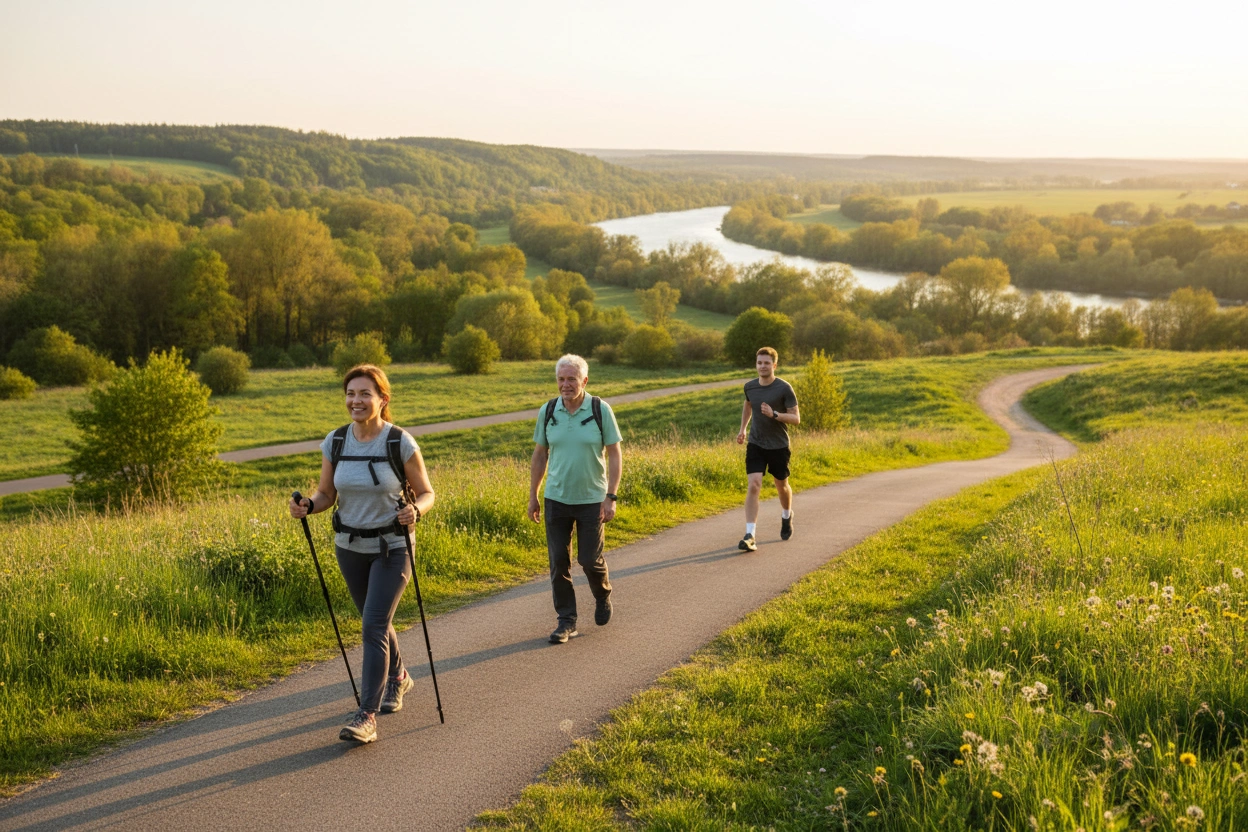
Walking routines can be tailored to fit varying fitness levels, from beginners to seasoned walkers. Here are some structured walking routines that cater to different abilities:
Beginners: Starting with Short Walks
For those new to walking, it's essential to start slowly and gradually build endurance. Here’s a simple routine to get started:
- Frequency: Aim for 3-4 days a week.
- Duration: Begin with 10-15 minute walks, gradually increasing to 30 minutes.
- Intensity: Walk at a comfortable pace, allowing for conversation without gasping for breath.
Intermediate: Building Endurance
Once you've established a routine, you can increase the intensity and duration:
- Frequency: Increase to 4-5 days a week.
- Duration: Walk for 30-45 minutes.
- Intensity: Incorporate intervals of brisk walking for 1-2 minutes every 5 minutes to elevate your heart rate.
Advanced: High-Intensity Walking
For experienced walkers looking to challenge themselves, consider the following routine:
- Frequency: Walk 5-6 days a week.
- Duration: Aim for 45-60 minutes.
- Intensity: Include hill walking or power walking techniques to boost cardiovascular benefits.
Top Walking Tips for Ozempic, Wegovy, and Mounjaro Users

Individuals using medications such as Ozempic, Wegovy, and Mounjaro may have unique considerations when it comes to walking routines. Here are some tips to maximize the benefits of walking for these users:
Consult with Healthcare Professionals
- Before starting any new exercise program, it's crucial to consult with a healthcare provider. They can provide personalized recommendations based on individual health conditions and medication effects.
Monitor Blood Sugar Levels
- Walking can influence blood sugar levels, especially for those managing diabetes. combining walking with other exercises is important.
Stay Hydrated
- Proper hydration is essential, particularly for those taking medications that may affect fluid balance. Carry water during walks and ensure you are adequately hydrated before starting your routine.
Listen to Your Body
- Pay attention to how your body feels during and after walking. If you experience any unusual symptoms such as dizziness or excessive fatigue, it may be necessary to modify your routine or seek medical advice.
Common Mistakes to Avoid When Walking
While walking is a straightforward activity, there are common mistakes that can hinder progress or lead to injury. Here are some pitfalls to avoid:
Neglecting Proper Footwear
- Wearing inappropriate shoes can lead to discomfort and injury. Invest in quality walking shoes that provide support and cushioning.
Ignoring Warm-Up and Cool-Down
- Skipping warm-up and cool-down exercises can increase the risk of injury. Always begin with a few minutes of gentle stretching and end with cooling down to help your body recover.
Overexerting Yourself
- It can be tempting to push yourself, especially when starting a new routine. However, it's crucial to progress at a comfortable pace to avoid burnout or injury.
Incorporating Walking into Your Lifestyle
Integrating walking into your daily routine can be effortless with a few strategic approaches. Here are some practical tips:
Make it a Social Activity
- Invite friends or family members to join you on your walks. This not only makes the activity more enjoyable but also helps you stay accountable.
Use Technology to Track Progress
- Utilize apps or fitness trackers to monitor your walking distance, time, and steps. Tracking your progress can motivate you to reach your goals.
Combine Walking with Other Activities
- Incorporate walking into daily activities, such as walking the dog, taking the stairs instead of the elevator, or opting for a walking meeting instead of sitting in a conference room.
Embracing Walking for a Healthier Future
Walking is an accessible and effective form of exercise that can lead to numerous health benefits. By establishing a routine that fits your fitness level and lifestyle, you can enjoy the mental and physical rewards that walking brings. Whether you're a beginner or an advanced walker, there are always ways to enhance your experience and make walking a vital part of your life. walking for wellness
FlowWell — Finally Feel Good on Your GLP
Walking plays a crucial role in promoting overall health and well-being. As you explore the best walking routines for your fitness level and lifestyle, remember that integrating walking into your daily life can yield significant health benefits. With the support of FlowWell — Finally Feel Good on Your GLP, you can optimize your walking experience and enhance your health journey. customized walking routine for your weight loss goals
If you're looking to take the next step in your walking routine or need assistance in aligning your fitness goals with your medication, contact FlowWell — Finally Feel Good on Your GLP today. Our resources and expert insights can help you maximize the benefits of walking and improve your overall quality of life.