Comparing Plant-Based and Animal Protein for Effective Weight Loss
Explore the effectiveness of plant-based and animal protein for weight loss, focusing on satiety, muscle preservation, and metabolic health.
Comparing Plant-Based and Animal Protein for Effective Weight Loss
In the quest for effective weight loss strategies, protein emerges as a crucial nutrient that plays a significant role in satiety, muscle preservation, and metabolic health. With the increasing popularity of plant-based diets, a debate often arises: is plant protein as effective as animal protein for weight loss? This article explores the distinctions between plant-based and animal protein, their implications for weight loss, and practical ways to incorporate more high protein foods into your daily diet.
Understanding Protein: The Basics
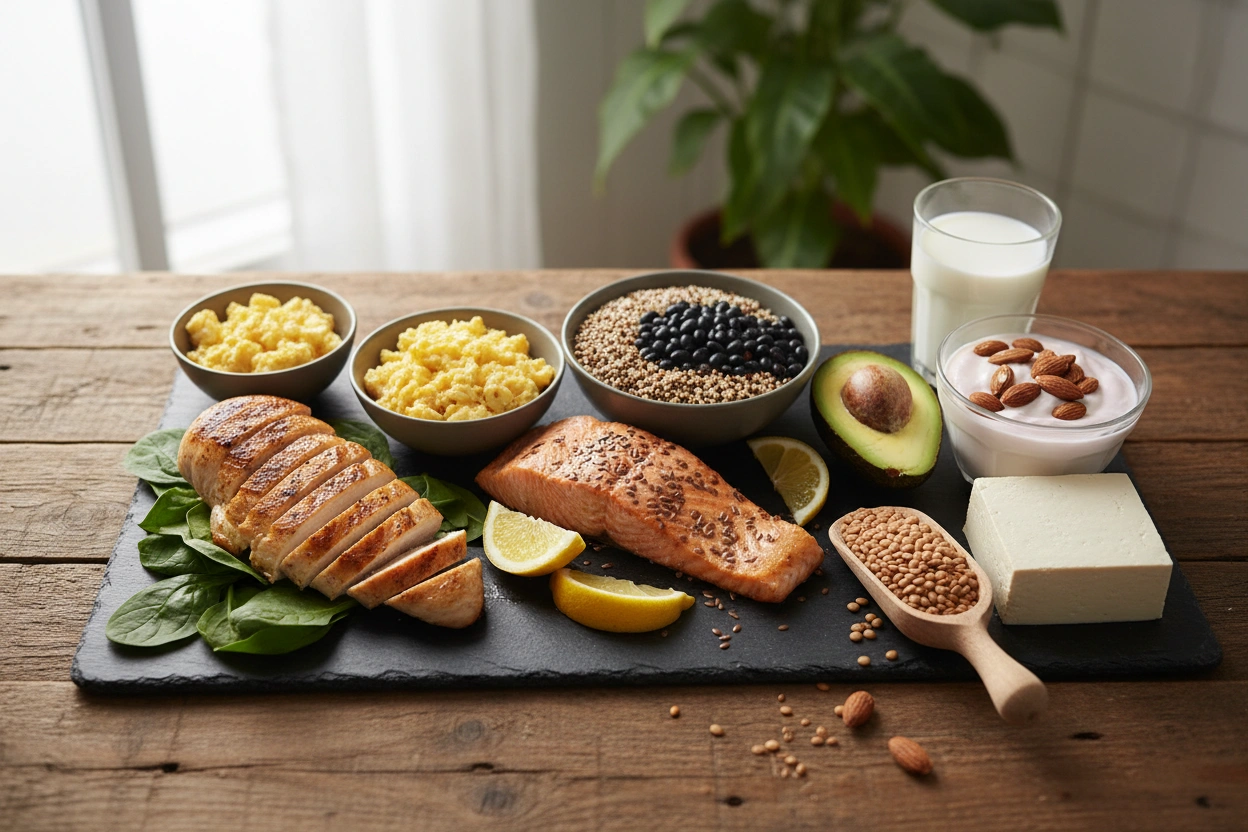
Protein is a macronutrient essential for numerous bodily functions, including muscle repair, hormone production, and immune function. It is composed of amino acids, which are the building blocks necessary for tissue growth and repair. There are 20 different amino acids, of which nine are classified as essential, meaning they must be obtained through diet.
Types of Protein Sources
Animal Protein: Found in meat, fish, dairy, and eggs, animal protein sources are considered complete proteins. They contain all nine essential amino acids necessary for human health. Examples include:
- Chicken
- Salmon
- Greek yogurt
Plant Protein: Sourced from legumes, nuts, seeds, and whole grains, plant proteins may be incomplete, lacking one or more essential amino acids. However, many plant foods can be combined to create a complete amino acid profile. Examples include:
- Lentils
- Quinoa
- Chia seeds
Understanding these distinctions is vital for making informed dietary choices that align with your weight loss goals.
The Role of Protein in Weight Loss
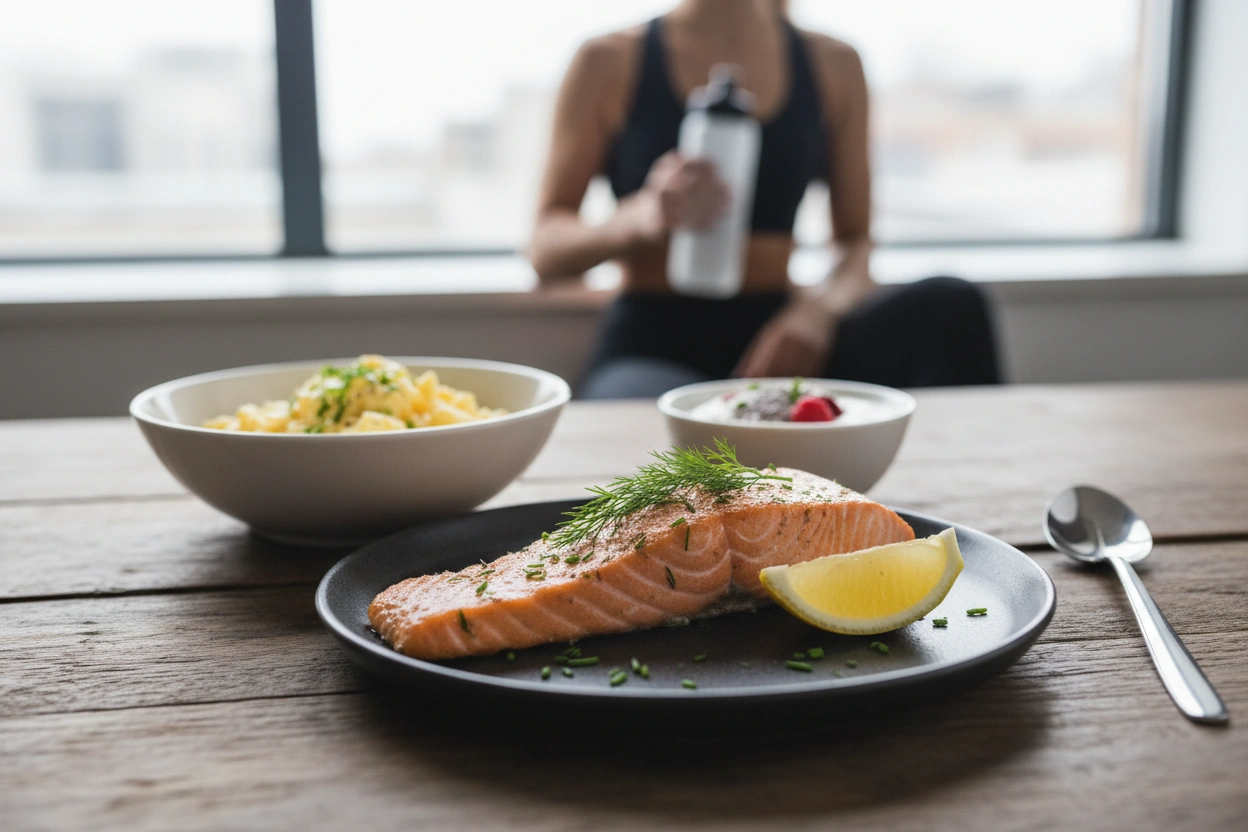
Enhancing Satiety
Protein is known for its satiating properties. Studies indicate that high protein diets can lead to reduced hunger levels and decreased overall calorie intake. This effect is attributed to protein's ability to influence hormones related to hunger, such as ghrelin and peptide YY.
- Research published in the American Journal of Clinical Nutrition demonstrated that individuals consuming higher protein diets reported feeling fuller and had a lower desire to eat than those on lower protein diets.
- Incorporating high protein foods into meals can help manage appetite, making it easier to adhere to a calorie deficit necessary for weight loss.
Muscle Preservation
When losing weight, it is crucial to preserve lean muscle mass. Adequate protein intake supports muscle retention, especially when combined with resistance training. Muscle tissue burns more calories at rest compared to fat tissue, thus aiding in maintaining a higher metabolic rate during weight loss.
- A study in the Journal of Nutrition found that individuals consuming higher protein levels while in a calorie deficit experienced less muscle loss than those consuming lower protein diets.
- This preservation is vital for long-term weight maintenance, as losing muscle can lead to a slower metabolism and potential weight regain.
Comparing Plant-Based and Animal Protein
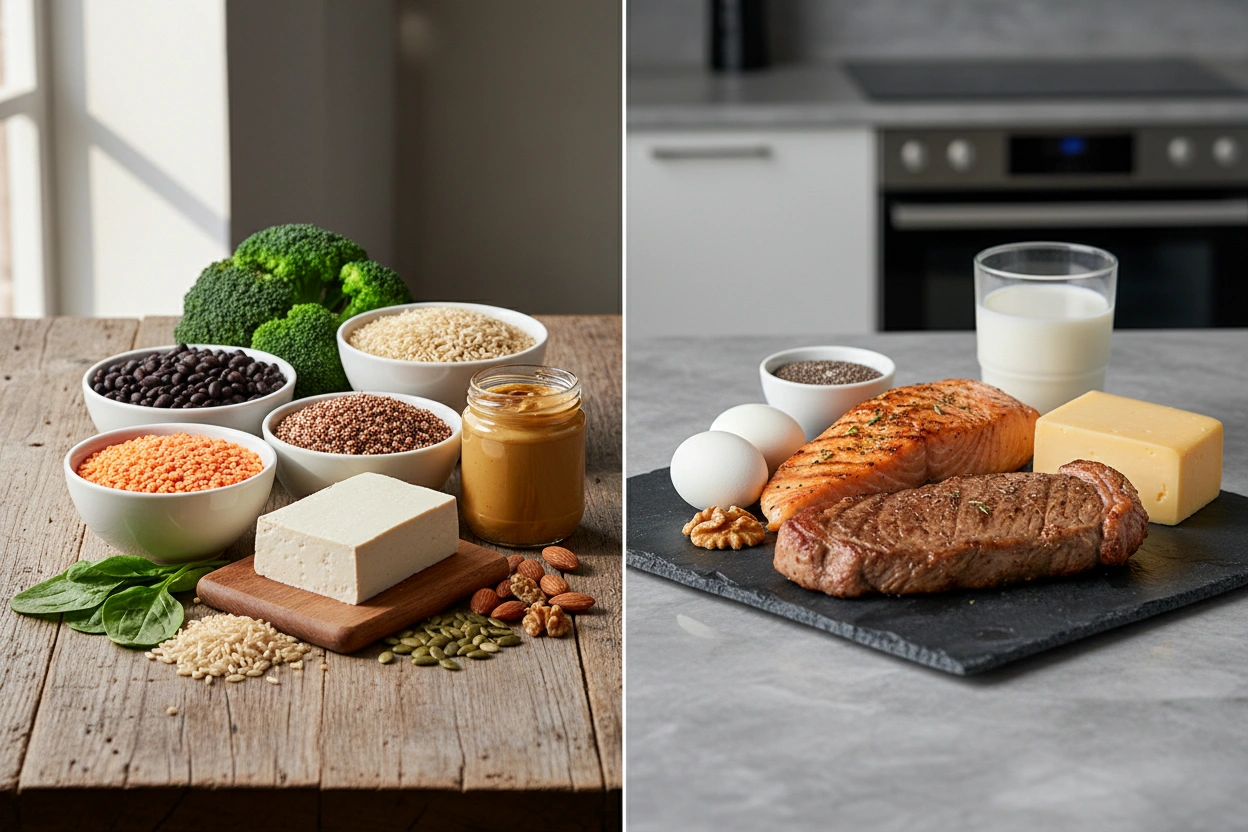
Nutritional Profiles
While both plant and animal proteins offer unique benefits, their nutritional profiles differ significantly.
Animal Protein Benefits
- Bioavailability: Animal proteins are often more bioavailable, meaning they are more easily absorbed and utilized by the body.
- Nutrient Density: Animal products typically provide additional nutrients such as vitamin B12, heme iron, and omega-3 fatty acids, which are less prevalent in plant sources.
Plant Protein Benefits
- Fiber Content: Plant proteins often come with higher fiber content, promoting digestive health and enhancing satiety.
- Lower in Saturated Fat: Many plant-based protein sources are lower in saturated fat, potentially reducing the risk of heart disease when consumed in place of animal products.
Common Misconceptions
- All Plant Proteins Are Incomplete: While many plant proteins are incomplete, combining different sources can provide a complete amino acid profile.
- Animal Protein Is Always Superior: This perspective overlooks the health benefits of plant proteins, particularly in terms of fiber and micronutrient content.
How to Incorporate More Protein into Your Daily Diet
Incorporating adequate protein into your diet doesn't have to be complicated. Here are some effective strategies to increase your protein intake:
Meal Planning and Preparation
- Start with Breakfast: Begin your day with high protein foods. Options such as Greek yogurt with nuts or a protein smoothie can set a positive tone for your daily intake.
- Balanced Meals: Aim to include a source of protein in every meal. This could be eggs with vegetables for breakfast, chicken or beans in salads for lunch, and fish or lentils for dinner.
Snacking Smart
- Choose protein-rich snacks such as:
- Hard-boiled eggs
- Hummus with vegetables
- Cottage cheese with fruit
Smart Substitutions
- Replace traditional carbohydrate-heavy foods with high protein alternatives. For instance:
- Use quinoa instead of rice
- Substitute chickpeas for croutons in salads
- Opt for almond milk instead of regular milk
Exploring Plant-Based Options
- Incorporate a variety of plant-based proteins in your diet. This can include:
- Tofu or tempeh stir-fries
- Lentil soups
- Nut butter on whole grain toast
By diversifying your protein sources, you can enjoy a broader range of nutrients while supporting your weight loss goals.
The Impact of Protein Timing
The timing of protein intake can also influence weight loss outcomes. Consuming protein throughout the day, rather than in one large meal, can enhance muscle protein synthesis and satiety.
Effective Protein Timing Strategies
- Post-Workout: Consuming protein after exercise helps repair muscle and optimize recovery.
- Evening Protein: Incorporating protein in the evening can help manage hunger levels and promote better sleep.
Common Mistakes to Avoid
- Neglecting Plant Proteins: Many individuals overlook the benefits of plant-based proteins. Incorporating a mix can enhance overall nutrition.
- Excessive Focus on Animal Proteins: Relying solely on animal proteins can lead to missed opportunities for fiber and other nutrients found in plants.
Final Thoughts on Protein for Weight Loss
The Intersection of Plant and Animal Proteins
Incorporating both plant-based and animal protein into your diet can provide a well-rounded approach to achieving weight loss goals. Each source offers unique benefits that can enhance satiety, preserve muscle mass, and support overall health.
As you navigate your dietary choices, consider how FlowWell — Finally Feel Good on Your GLP can help you integrate high protein foods into your lifestyle effectively. Our resources provide valuable insights into meal planning and preparation, ensuring that you meet your protein needs while on your weight loss journey.
Take Action with FlowWell
Embrace the power of protein in your weight loss journey by exploring diverse sources and strategies. For more tips and personalized guidance, visit FlowWell — Finally Feel Good on Your GLP. Let us assist you in achieving your health and wellness goals through effective protein incorporation in your diet.