Dietary Adjustments for Maximizing GLP-1 Side Effects Relief
Discover dietary adjustments to alleviate GLP-1 side effects and enhance the effectiveness of your treatment for weight management and diabetes.
Dietary Adjustments for Maximizing GLP-1 Side Effects Relief
The emergence of GLP-1 medications such as Ozempic, Wegovy, and Mounjaro has transformed the landscape of weight management and type 2 diabetes treatment. While these medications offer significant benefits, they often come with side effects that can deter patients from continuing their therapy. Understanding how to manage these side effects through dietary adjustments is essential for maximizing the efficacy of GLP-1 side effects relief. This article will explore practical dietary strategies to alleviate common side effects associated with GLP-1 medications and provide insights into managing the challenges that patients may face.
Understanding GLP-1 Medications and Their Side Effects
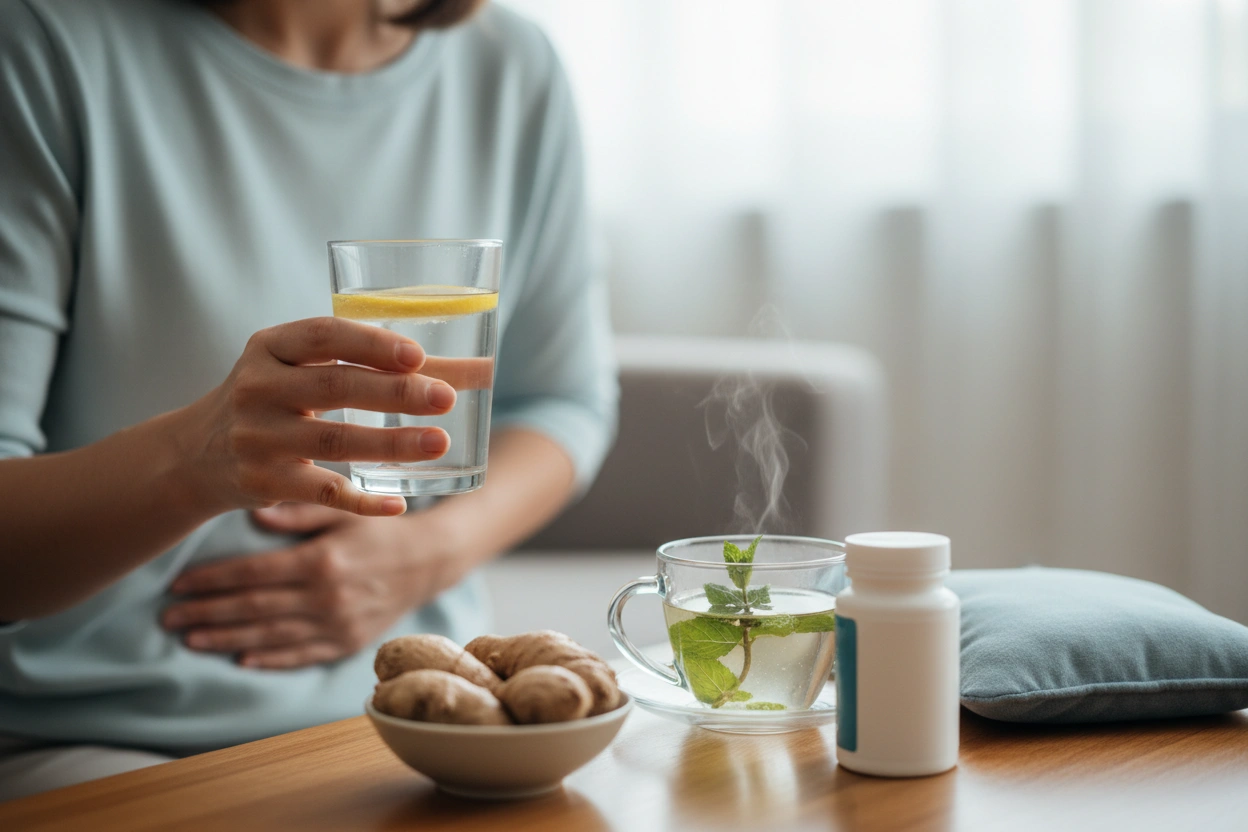
GLP-1 medications are designed to mimic the action of the glucagon-like peptide-1 hormone, which plays a crucial role in insulin secretion and appetite regulation. However, as with any medication, side effects are possible. The most commonly reported side effects include nausea, vomiting, diarrhea, and abdominal pain. These side effects can be particularly challenging for new users, often leading to discontinuation of treatment.
Common Side Effects of GLP-1 Medications
Nausea and Vomiting: These are among the most frequently reported side effects, particularly during the initial stages of treatment. Patients often experience these symptoms as their bodies adjust to the medication.
Diarrhea: Gastrointestinal disturbances, including diarrhea, can occur, especially when doses are increased too rapidly.
Abdominal Pain: Many patients report discomfort in the abdominal region, which may be exacerbated by dietary choices.
Reduced Appetite: While this can be beneficial for weight loss, it may also lead to inadequate nutrient intake if not managed properly.
Strategies for Managing Side Effects
Addressing these side effects can improve patient adherence to GLP-1 therapy. Here are some dietary adjustments that can help alleviate these discomforts:
1. Gradual Dose Escalation
Begin with the lowest possible dose of the medication and increase it gradually, allowing the body time to adjust. This can help mitigate the severity of nausea and gastrointestinal upset.
2. Hydration
Maintaining proper hydration is crucial, especially if experiencing vomiting or diarrhea. Drinking small amounts of clear fluids can help prevent dehydration without overwhelming the stomach.
3. Small, Frequent Meals
Instead of three large meals, consider consuming smaller, more frequent meals throughout the day. This approach can help manage nausea and prevent abdominal discomfort.
4. Low-Fat Diet
High-fat meals can exacerbate nausea and slow gastric emptying. Focus on a low-fat diet that includes lean proteins, whole grains, fruits, and vegetables.
Dietary Adjustments for GLP-1 Side Effects Relief
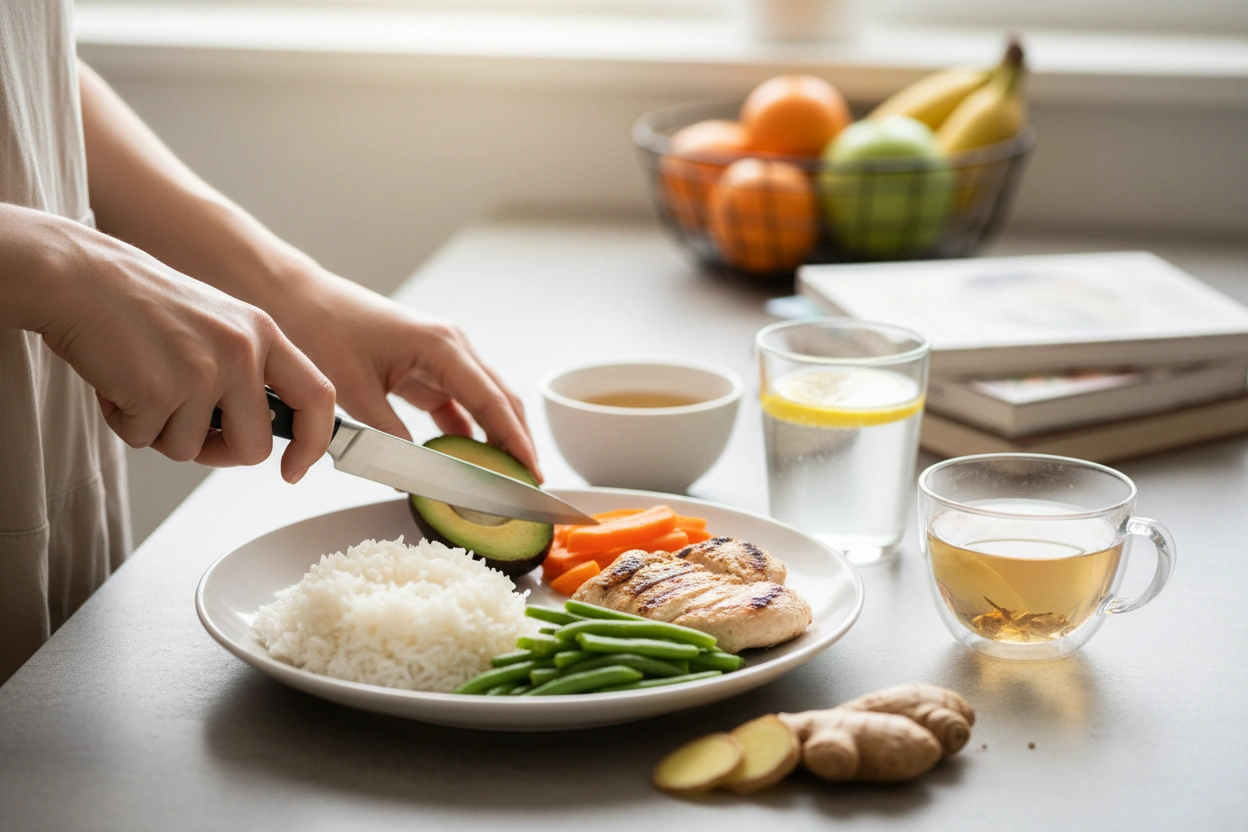
Implementing specific dietary strategies can significantly impact the management of GLP-1 side effects. Here are several actionable insights to consider:
Emphasizing Low-Fiber Foods
While fiber is essential for digestive health, high-fiber foods can sometimes worsen gastrointestinal side effects when starting GLP-1 medications. Focus on low-fiber options initially:
- White Rice: Easy to digest and gentle on the stomach.
- Bananas: A good source of potassium that can help with digestive comfort.
- Applesauce: A low-fiber alternative to whole fruits that is easier to digest.
Choosing the Right Proteins
Lean proteins can help maintain muscle mass while being gentle on the digestive system. Here are some suitable options:
- Chicken Breast: Skinless and grilled or baked chicken is a great source of protein.
- Fish: Options like tilapia or cod are easier to digest compared to red meats.
- Eggs: Scrambled or poached eggs provide protein without excessive fat.
Incorporating Digestive Aids
Certain foods can aid digestion and help reduce the severity of side effects associated with GLP-1 medications:
- Ginger: Known for its anti-nausea properties, ginger can be consumed as tea or in small amounts in meals.
- Peppermint: Peppermint tea or candies can soothe the stomach and relieve nausea.
- Probiotics: Foods like yogurt can support gut health and mitigate gastrointestinal issues.
Avoiding Trigger Foods
Certain foods may exacerbate side effects. It's wise to keep track of personal triggers and avoid them when possible. Common culprits include:
- Spicy Foods: Can irritate the stomach and lead to discomfort.
- Caffeinated Beverages: May increase gastrointestinal upset and anxiety.
- High-Sugar Foods: Can lead to rapid fluctuations in blood sugar, exacerbating nausea.
The Role of Meal Timing and Preparation
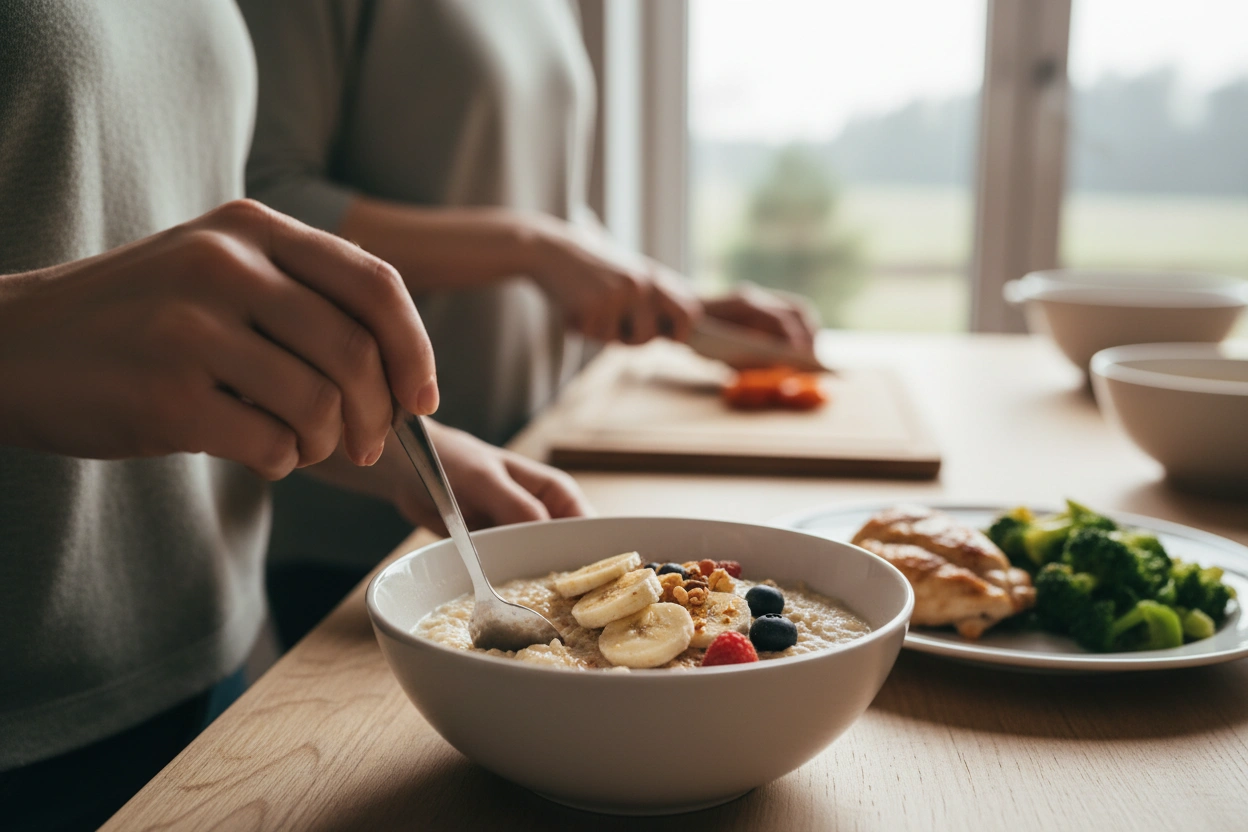
Meal timing and preparation can further enhance the effectiveness of dietary adjustments for GLP-1 side effects relief.
Meal Timing
Eat Slowly: Taking time to chew food thoroughly can help with digestion and reduce the likelihood of nausea.
Avoid Eating Close to Medication Dosing: Allow a buffer period between eating and taking the medication to minimize potential gastrointestinal discomfort.
Meal Preparation
- Steaming and Baking: Cooking methods such as steaming or baking can keep meals light and easier to digest compared to frying.
- Flavoring with Herbs: Instead of heavy sauces, use herbs and spices (like basil or oregano) to enhance flavor without adding fat.
Common Misconceptions About GLP-1 Medications
Understanding GLP-1 medications and their side effects is crucial for effective management. However, several misconceptions can lead to confusion among patients.
Misconception 1: All Side Effects Are Permanent
Many patients fear that side effects will persist indefinitely. In reality, most side effects diminish over time as the body adjusts to the medication.
Misconception 2: Dietary Changes Are Not Necessary
Some individuals believe they can continue their regular eating habits without adjustment. However, modifying diet is often essential for managing side effects effectively.
Misconception 3: GLP-1 Medications Are Only for Weight Loss
While GLP-1 medications are widely recognized for weight management, they also play a critical role in controlling blood sugar levels in individuals with type 2 diabetes.
Conclusion: Embracing Dietary Adjustments for GLP-1 Side Effects Relief
In summary, dietary adjustments play a vital role in managing the side effects associated with GLP-1 medications. By implementing strategies such as gradual dose escalation, hydration, and meal modifications, patients can enhance their comfort and adherence to treatment.
FlowWell — Finally Feel Good on Your GLP is dedicated to helping individuals navigate their GLP-1 journey. With insights into dietary management and a supportive community, you can embrace your health transformation confidently.
For more information and personalized support, visit FlowWell — Finally Feel Good on Your GLP and discover how we can assist you in achieving optimal GLP-1 side effects relief.