Easy Ways to Incorporate More Protein into a Busy Lifestyle
Discover simple ways to boost your protein intake, even with a hectic schedule. Enhance your health and energy with these easy strategies.
Easy Ways to Incorporate More Protein into a Busy Lifestyle
In today's fast-paced world, maintaining a balanced diet can often feel like a daunting task, especially for those with demanding schedules. Protein, a crucial macronutrient, plays a vital role in various bodily functions, including muscle repair, hormone production, and immune system support. Incorporating adequate protein intake into your daily routine is essential for overall health and can significantly impact weight management and muscle development. This article explores practical strategies for integrating more protein into your busy lifestyle while understanding your daily protein needs for effective weight loss.
Understanding Your Daily Protein Needs for Effective Weight Loss
The Importance of Protein in Weight Management
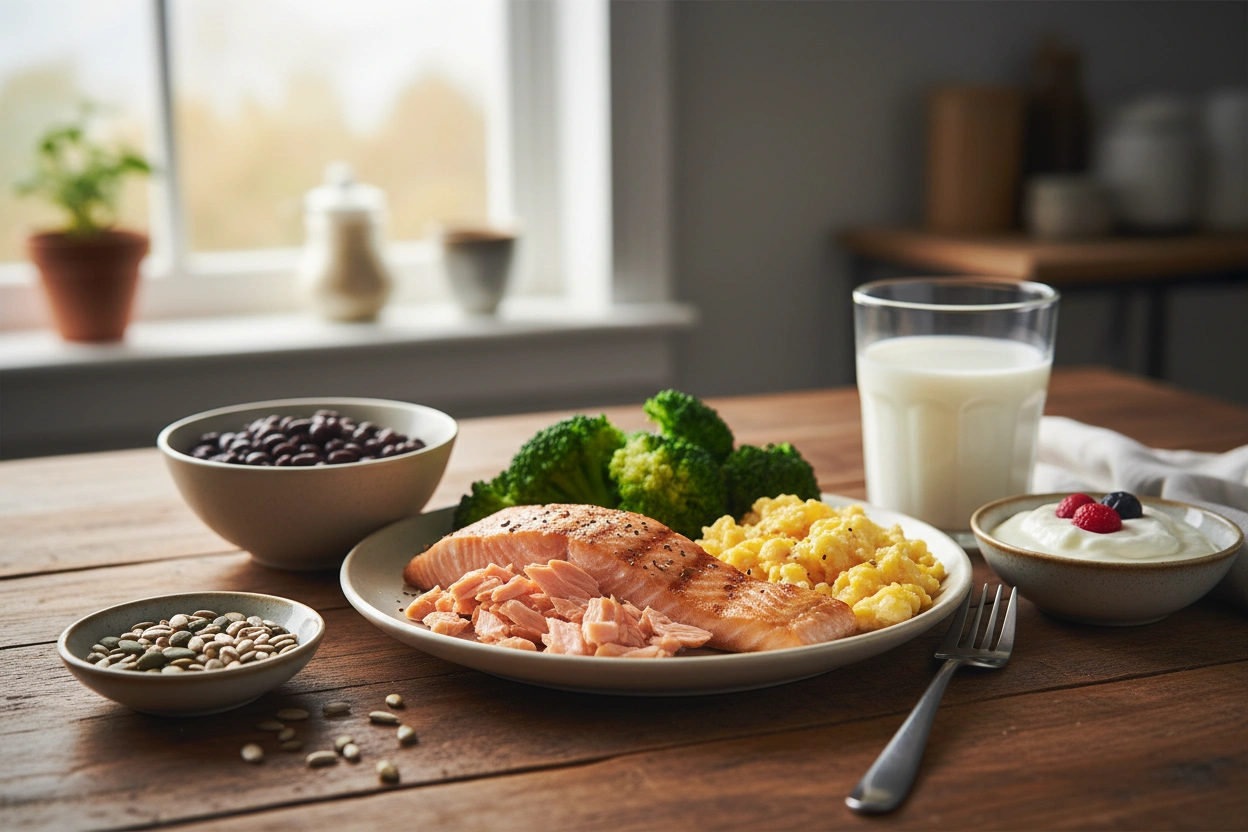
Protein is often touted as a key player in weight management, and for good reason. It has a higher thermic effect compared to fats and carbohydrates, meaning your body burns more calories digesting protein. Additionally, protein helps regulate appetite by increasing feelings of fullness and reducing hunger. This is particularly beneficial when aiming to lose weight, as it can lead to a reduction in overall calorie intake.
Research indicates that incorporating protein into every meal can optimize fat loss while preserving lean muscle mass. According to the Dietary Guidelines for Americans, the recommended dietary allowance (RDA) for protein is 46 grams for women and 56 grams for men, though individual needs may vary based on factors such as activity level, age, and overall health.
Calculating Your Protein Needs
To determine your specific protein needs, consider the following factors: calculating your protein needs.
- Body Weight: A common guideline is to consume 0.8 grams of protein per kilogram of body weight. For those aiming to lose weight or build muscle, this may increase to 1.2 to 2.0 grams per kilogram.
- Activity Level: Active individuals, especially athletes, require more protein to support muscle recovery and growth.
- Goals: If your goal is weight loss, aim for a higher protein intake to help manage hunger and maintain muscle mass.
For example, a person weighing 70 kilograms might aim for approximately 56 grams of protein daily, while someone engaged in regular strength training may need between 84 to 140 grams, depending on their goals.
Easy Strategies to Boost Your Protein Intake
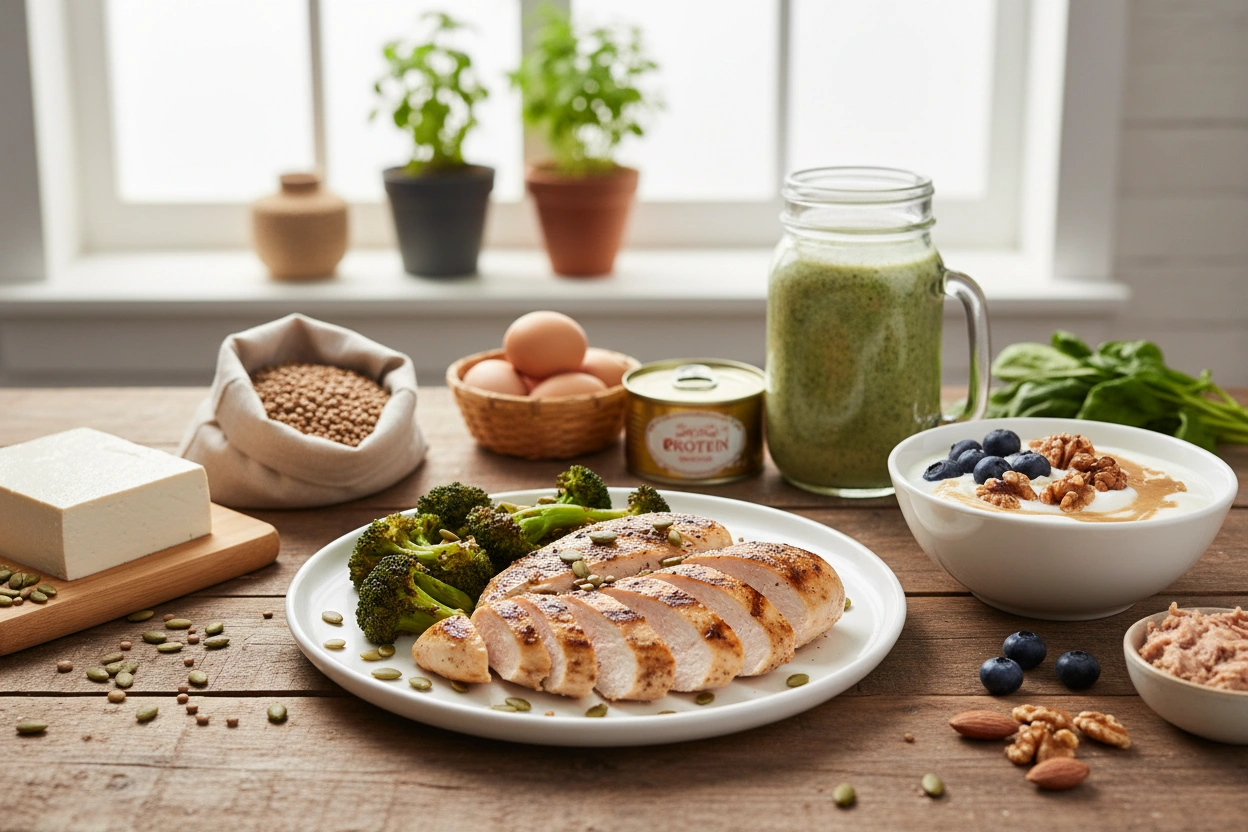
Incorporating more protein into your diet doesn't have to be complicated. Here are some practical strategies to ensure you're meeting your protein needs, even on the busiest of days.
1. Start Your Day with a Protein-Rich Breakfast
Breakfast is an excellent opportunity to kickstart your protein intake. Opt for high-protein options such as:
- Greek yogurt topped with nuts and berries
- Scrambled eggs or egg whites with vegetables
- A protein smoothie made with protein powder, spinach, and a banana
By prioritizing protein in your morning meal, you set a positive tone for the rest of the day.
2. Snack Smartly
Snacking can often derail your nutrition goals, but choosing protein-packed snacks can keep you on track. Consider these options:
- Hard-boiled eggs
- Cottage cheese with fruit
- Hummus with carrots or whole-grain crackers
- Roasted chickpeas
These snacks not only provide a protein boost but also keep you satisfied between meals.
3. Incorporate Protein into Lunch and Dinner
When planning lunch and dinner, make a conscious effort to include a source of protein. Here are some ideas:
- Grilled chicken or turkey breast in salads or wraps
- Tofu or tempeh in stir-fries
- Lentils or beans in soups and stews
- Quinoa or farro as a base for grain bowls
Adding diverse protein sources to your meals can enhance flavor and nutritional value.
4. Meal Prep for Success
Busy schedules often lead to unhealthy eating choices. To combat this, consider meal prepping. Dedicate a few hours each week to prepare protein-rich meals in advance. Here’s how to do it:
- Choose a variety of protein sources (chicken, fish, legumes, etc.).
- Cook in bulk and portion into containers for easy grab-and-go meals.
- Keep a mix of vegetables and whole grains on hand for balanced meals.
By having healthy, protein-rich meals ready to go, you're less likely to reach for less nutritious options.
5. Explore Protein Supplements
For those struggling to meet their protein needs through whole foods alone, protein supplements can be a convenient option. Consider the following types:
- Whey protein: Quickly absorbed and ideal for post-workout recovery.
- Plant-based protein: Suitable for vegans or those with dairy sensitivities.
- Protein bars: A convenient snack option, but check for added sugars.
While supplements can help, they should not replace whole food sources of protein in your diet.
Common Mistakes in Protein Intake
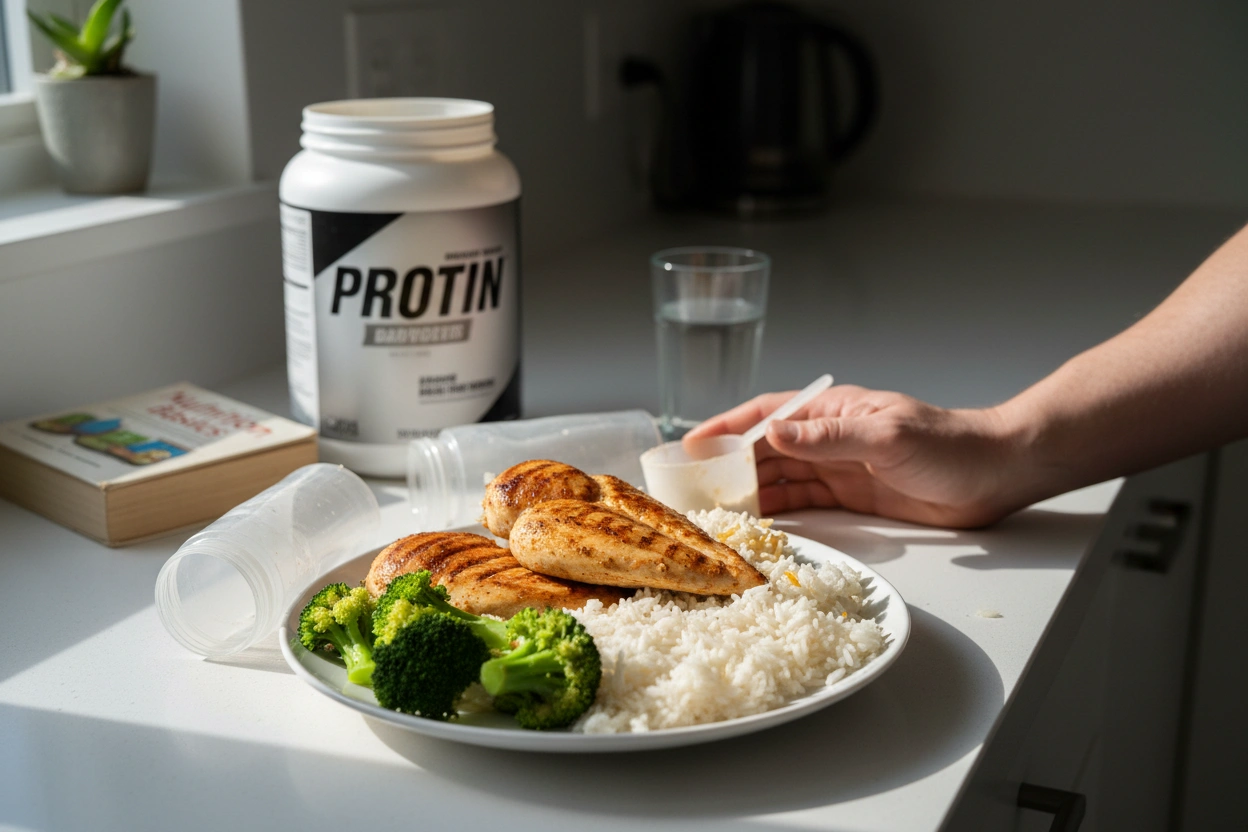
While increasing protein intake is beneficial, there are common misconceptions and mistakes to avoid.
Overemphasis on Animal Protein
Many individuals focus solely on animal sources of protein, such as meat and dairy, neglecting plant-based options. Legumes, nuts, seeds, and whole grains also provide quality protein and can enhance the diversity of your diet.
Ignoring Protein Timing
It’s not just about the total amount of protein consumed; timing can also play a crucial role. Distributing protein intake evenly across meals can maximize muscle protein synthesis, aiding in recovery and growth. Aim for approximately 20-30 grams of protein at each meal.
Neglecting Other Nutrients
While protein is essential, it’s vital not to overlook other macronutrients. A balanced diet should include healthy fats and carbohydrates for optimal energy levels and overall health.
The Role of Protein in a Busy Lifestyle
Integrating more protein into your diet can significantly impact your energy levels, muscle recovery, and overall well-being. By understanding your protein needs and implementing the strategies outlined above, you can effectively manage your nutritional goals, even amidst a hectic schedule.
Benefits of a High-Protein Diet
- Enhanced Satiety: Protein-rich foods help you feel fuller for longer, reducing the likelihood of unhealthy snacking.
- Muscle Preservation: Adequate protein intake supports muscle maintenance, particularly during weight loss.
- Increased Metabolism: Protein has a higher thermic effect, aiding in calorie burning.
Embracing Protein with FlowWell
The Connection Between Protein and Your Health Journey
As you explore ways to incorporate more protein into your busy lifestyle, consider how FlowWell — Finally Feel Good on Your GLP can support your nutritional journey. With a focus on holistic health, FlowWell provides resources and tools to help you achieve your dietary goals while maintaining balance in your life.
Take Action Today
By prioritizing protein and making conscious dietary choices, you are setting yourself up for success. If you are ready to enhance your lifestyle and make informed nutritional decisions, visit FlowWell — Finally Feel Good on Your GLP today. Start your journey towards a healthier, more fulfilling life with the right support and resources at your fingertips.
Managing GLP-1 side effects? Our articles can help.
Evidence-based articles written for real patients — covering constipation relief, fiber intake, medication adherence, and more.