GLP-1 Medications and Diet: How to Optimize Your Results
Discover how to enhance the effectiveness of GLP-1 medications with a structured diet plan for weight loss and improved metabolic health.
GLP-1 Medications and Diet: How to Optimize Your Results
The rise of GLP-1 medications, particularly in the realm of weight management, has transformed the approach to obesity treatment and diabetes management. These medications, including popular options such as Wegovy, have shown remarkable efficacy in helping individuals achieve significant weight loss and improve metabolic health. However, to maximize the benefits of GLP-1 medications, integrating a well-structured diet plan is essential. This article delves into how to optimize your results with GLP-1 medications through dietary strategies and actionable tips.
Understanding GLP-1 Medications
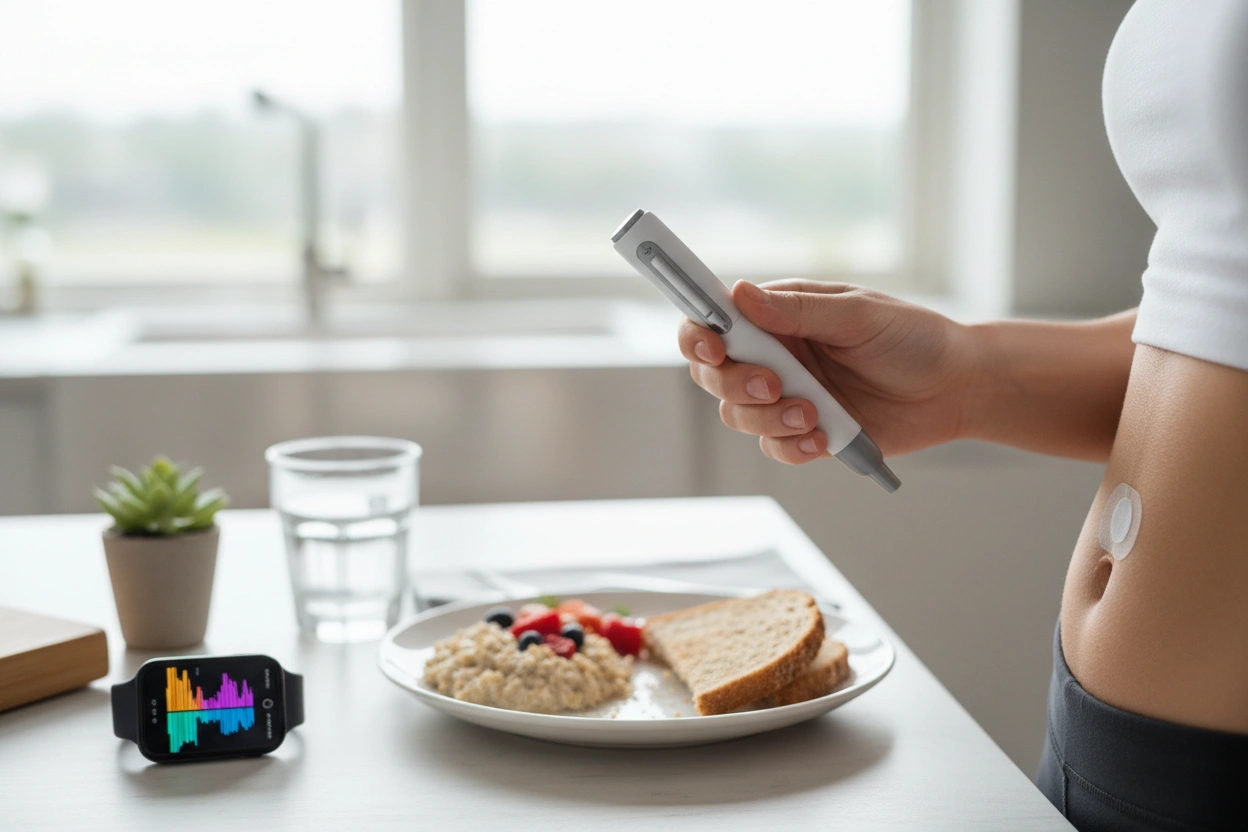
What Are GLP-1 Medications?
GLP-1 medications are a class of drugs that mimic the action of glucagon-like peptide-1, a hormone that plays a crucial role in glucose metabolism and appetite regulation. These medications work by enhancing insulin secretion, reducing glucagon release, and slowing gastric emptying, which collectively contribute to lower blood sugar levels and reduced appetite. Approved for weight management and type 2 diabetes, these medications have gained significant attention for their dual benefits.
- Key Benefits of GLP-1 Medications:
- Promote weight loss by reducing appetite and caloric intake.
- Improve glycemic control in individuals with type 2 diabetes.
- Decrease the risk of cardiovascular events in high-risk patients.
How Do GLP-1 Medications Work?
GLP-1 medications function by activating GLP-1 receptors in the body, which leads to several physiological responses. When food is consumed, these medications signal the pancreas to release insulin and inhibit the release of glucagon, a hormone that raises blood sugar levels. This mechanism not only helps manage blood glucose levels but also promotes satiety, making it easier for individuals to adhere to a calorie-restricted diet.
- Appetite Regulation: GLP-1 medications signal the brain to reduce hunger, helping individuals feel fuller with less food.
- Gastric Emptying: Slowing down the rate at which food leaves the stomach prolongs the feeling of fullness.
- Insulin Secretion: Increased insulin release in response to meals helps lower blood glucose levels effectively.
Diet and GLP-1 Medications
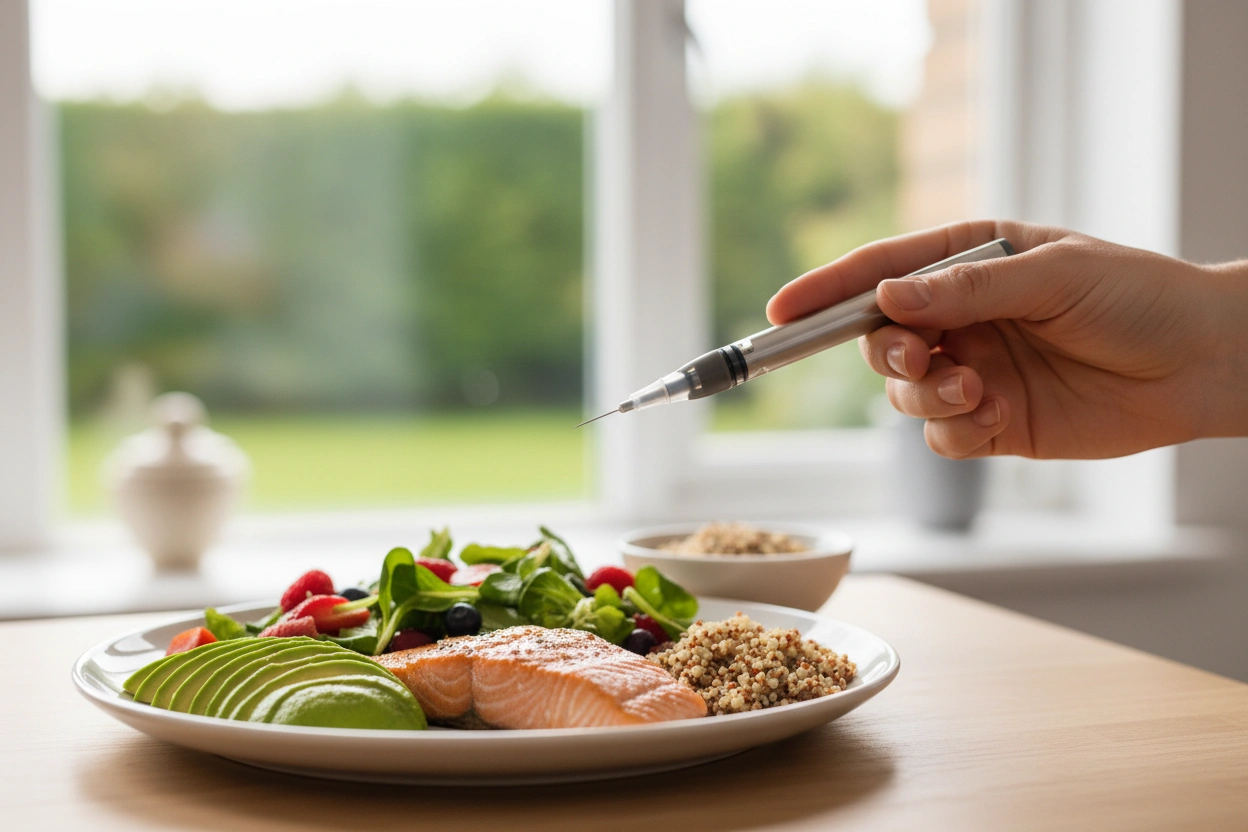
The Role of Diet in Enhancing GLP-1 Effects
While GLP-1 medications can significantly aid in weight loss and metabolic health, their effectiveness can be amplified through dietary choices. A balanced diet not only supports the physiological actions of these medications but also enhances overall health. Key dietary principles can optimize the results of GLP-1 medications, making adherence to treatment more successful.
- Focus on Nutrient-Dense Foods: Incorporating fruits, vegetables, lean proteins, and whole grains provides essential nutrients that support metabolic health.
- Control Portion Sizes: Mindful eating practices can help manage caloric intake and enhance the satiety effects of GLP-1 medications.
- Limit Processed Foods: Reducing the consumption of high-sugar and high-fat processed foods can prevent spikes in blood sugar and promote a more stable energy level.
Essential Dietary Strategies for Success
Here are several dietary strategies that can work synergistically with GLP-1 medications to enhance weight loss and improve health outcomes:
- Adopt a Low-Calorie Diet: Pairing GLP-1 medications with a structured low-calorie diet can maximize weight loss efforts. Research shows that combining these medications with a diet of 1200-1500 calories per day can yield significant results.
- Increase Fiber Intake: High-fiber foods such as vegetables, legumes, and whole grains can enhance feelings of fullness and promote digestive health.
- Stay Hydrated: Drinking plenty of water can help manage hunger and improve metabolic functions, complementing the appetite-suppressing effects of GLP-1 medications.
- Incorporate Healthy Fats: Including sources of healthy fats, such as avocados, nuts, and olive oil, can improve satiety and provide essential fatty acids without excessive calories.
- Plan Balanced Meals: Each meal should ideally contain a mix of protein, carbohydrates, and healthy fats to maintain stable blood sugar levels and support overall health.
Common Misconceptions About GLP-1 Medications and Diet
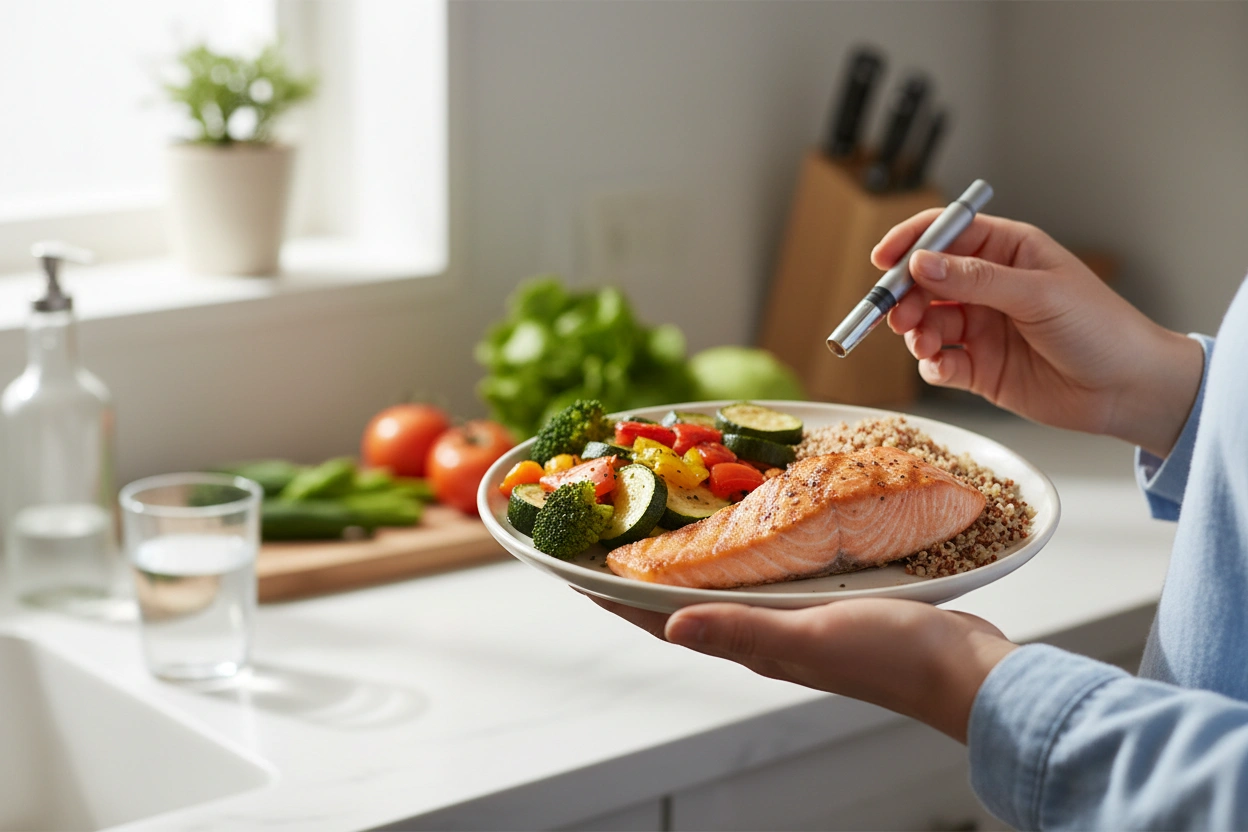
Addressing Misunderstandings
As with any emerging treatment, misconceptions about GLP-1 medications and their dietary requirements can lead to suboptimal outcomes. Understanding these misconceptions is crucial for effective treatment.
- Myth 1: GLP-1 Medications Are a Standalone Solution: Many believe that taking GLP-1 medications alone will result in significant weight loss. However, combining these medications with a healthy diet is essential for maximizing results.
- Myth 2: All Carbohydrates Are Bad: There is a common belief that carbohydrates should be entirely avoided. In reality, complex carbohydrates from whole foods are vital for energy and should be included in moderation.
- Myth 3: Weight Loss Is Immediate: Some individuals expect rapid weight loss results. It is important to understand that weight loss is often gradual and requires a sustained commitment to dietary changes alongside medication.
Avoiding Dietary Pitfalls
To optimize the effects of GLP-1 medications, individuals should avoid common dietary pitfalls:
- Skipping Meals: This can lead to overeating later, counteracting the appetite regulation benefits of GLP-1 medications.
- Relying on Fad Diets: Quick-fix diets often lack essential nutrients and can lead to rebound weight gain.
- Ignoring Portion Sizes: Overeating healthy foods can still lead to excess calorie intake, undermining weight loss efforts.
Practical Tips for Integrating Diet and GLP-1 Medications
Actionable Steps for Success
Implementing effective dietary strategies alongside GLP-1 medications requires a structured approach. Here are actionable tips to help you integrate these practices into your routine:
- Track Your Food Intake: Utilize food diaries or apps to monitor your daily caloric intake and nutrient distribution. This awareness can help you make informed choices.
- Meal Prep: Preparing meals in advance can reduce the temptation to opt for unhealthy options when hungry.
- Consult with a Nutritionist: Working with a professional can provide personalized dietary guidance tailored to your specific needs and medication regimen.
- Experiment with Recipes: Explore new recipes that are both nutritious and satisfying to keep meals interesting and enjoyable.
- Mindful Eating Practices: Focus on eating slowly and savoring each bite. This can enhance satisfaction and prevent overeating.
The Intersection of GLP-1 Medications and Lifestyle Changes
Beyond Diet: A Holistic Approach to Weight Management
Incorporating lifestyle changes, such as physical activity and stress management, plays a vital role in optimizing the results of GLP-1 medications. Regular exercise can enhance insulin sensitivity, promote weight loss, and improve overall well-being. make time for wellness.
- Exercise Regularly: Aim for a combination of aerobic and strength-training exercises for optimal health benefits.
- Manage Stress: High stress can lead to emotional eating. Practicing mindfulness, meditation, or yoga can help mitigate stress and support weight management efforts.
- Prioritize Sleep: Quality sleep is crucial for metabolic health and weight regulation. Aim for 7-9 hours of quality sleep per night.
Embracing a Sustainable Lifestyle with GLP-1 Medications
Long-Term Success Strategies
Achieving and maintaining weight loss results with GLP-1 medications requires a commitment to sustainable lifestyle changes. Focus on gradual adjustments rather than drastic overhauls to create a more manageable and lasting impact. choosing the right GLP-1 medication.
- Set Realistic Goals: Establish achievable short-term and long-term goals to maintain motivation.
- Celebrate Small Wins: Acknowledge progress, no matter how small, to foster a positive mindset.
- Stay Connected: Engage with support groups or communities where you can share experiences and gain encouragement.
FlowWell — Finally Feel Good on Your GLP
Optimizing Your Results with GLP-1 Medications
In conclusion, understanding the interplay between GLP-1 medications and diet is essential for maximizing their effectiveness. By adopting a balanced diet, making informed food choices, and incorporating lifestyle changes, individuals can significantly enhance their health outcomes. FlowWell — Finally Feel Good on Your GLP is here to support you in your journey toward effective weight management and improved metabolic health. real experiences with GLP-1 medications.
For personalized guidance and resources tailored to your specific needs, visit FlowWell — Finally Feel Good on Your GLP. Your path to optimizing results with GLP-1 medications starts here.