GLP-1 vs GLP-2: Key Differences Impacting Digestive Health
Explore the key differences between GLP-1 and GLP-2 and their impact on digestive health, appetite regulation, and metabolism.
GLP-1 vs GLP-2: Key Differences Impacting Digestive Health
The world of gastrointestinal health is intricate, with various hormones playing crucial roles in digestion, appetite regulation, and metabolism. Among these hormones, GLP-1 (Glucagon-Like Peptide-1) and GLP-2 (Glucagon-Like Peptide-2) are two significant players that have garnered attention in recent years for their distinct yet interrelated functions. Understanding the difference between GLP-1 and GLP-2 is essential for anyone interested in improving digestive health and managing conditions like obesity and diabetes. This comprehensive guide will explore the roles of these hormones, their differences, and their implications for digestive health.
Understanding GLP-1 and GLP-2

What is GLP-1?
GLP-1 is a hormone produced in the intestines in response to food intake. It plays a multifaceted role in regulating appetite, insulin secretion, and glucose metabolism. When you consume food, GLP-1 is released, leading to several physiological effects that promote satiety and lower blood sugar levels.
- Appetite Regulation: GLP-1 signals to the brain that you are full, which helps control overeating. This is particularly beneficial in managing obesity.
- Insulin Secretion: It enhances the secretion of insulin from the pancreas in response to elevated blood glucose levels, making it crucial for diabetes management.
- Gastric Emptying: GLP-1 slows down gastric emptying, allowing for better nutrient absorption and more stable blood glucose levels.
What is GLP-2?
GLP-2, while also produced in the intestines, has a different primary function. It primarily focuses on gut health and integrity. GLP-2 is less involved in appetite regulation compared to GLP-1 but plays a critical role in maintaining the structure and function of the gastrointestinal tract.
- Gut Mucosal Growth: GLP-2 promotes the growth and repair of the intestinal mucosa, which is essential for nutrient absorption.
- Intestinal Motility: It helps regulate intestinal motility, ensuring that food passes through the digestive tract at the right pace.
- Inhibition of Apoptosis: GLP-2 inhibits the apoptosis (cell death) of enterocytes, which are the cells lining the intestines, thus supporting gut health.
Key Differences Between GLP-1 and GLP-2
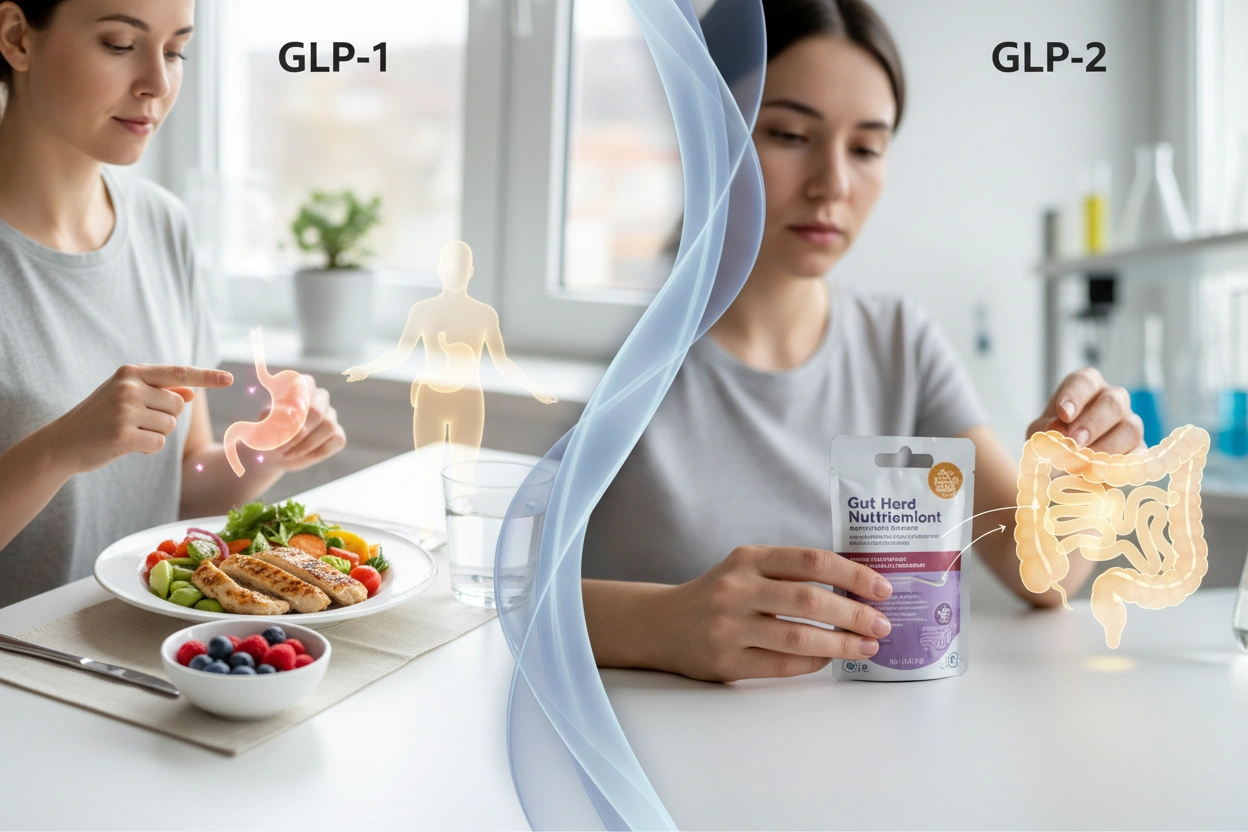
Understanding the key differences between GLP-1 and GLP-2 is crucial for recognizing their unique roles in digestive health. Here are the primary distinctions:
1. Function
- GLP-1: Primarily involved in regulating appetite and enhancing insulin secretion. Its main functions are metabolic, influencing how the body processes glucose and fat.
- GLP-2: Focuses on promoting gut health, including mucosal growth and integrity. It is more concerned with the structural aspects of the intestines rather than metabolic regulation.
2. Site of Action
- GLP-1: Acts on the pancreas, brain, and gastrointestinal tract to regulate blood sugar and appetite.
- GLP-2: Primarily acts on the intestines, influencing the health of the gut lining and motility.
3. Clinical Implications
- GLP-1: Therapeutics targeting GLP-1, such as GLP-1 receptor agonists, are widely used in diabetes management and weight loss.
- GLP-2: Research into GLP-2 is ongoing, particularly in its potential to treat conditions like short bowel syndrome, where gut integrity is compromised.
The Impact of GLP-1 and GLP-2 on Digestive Health
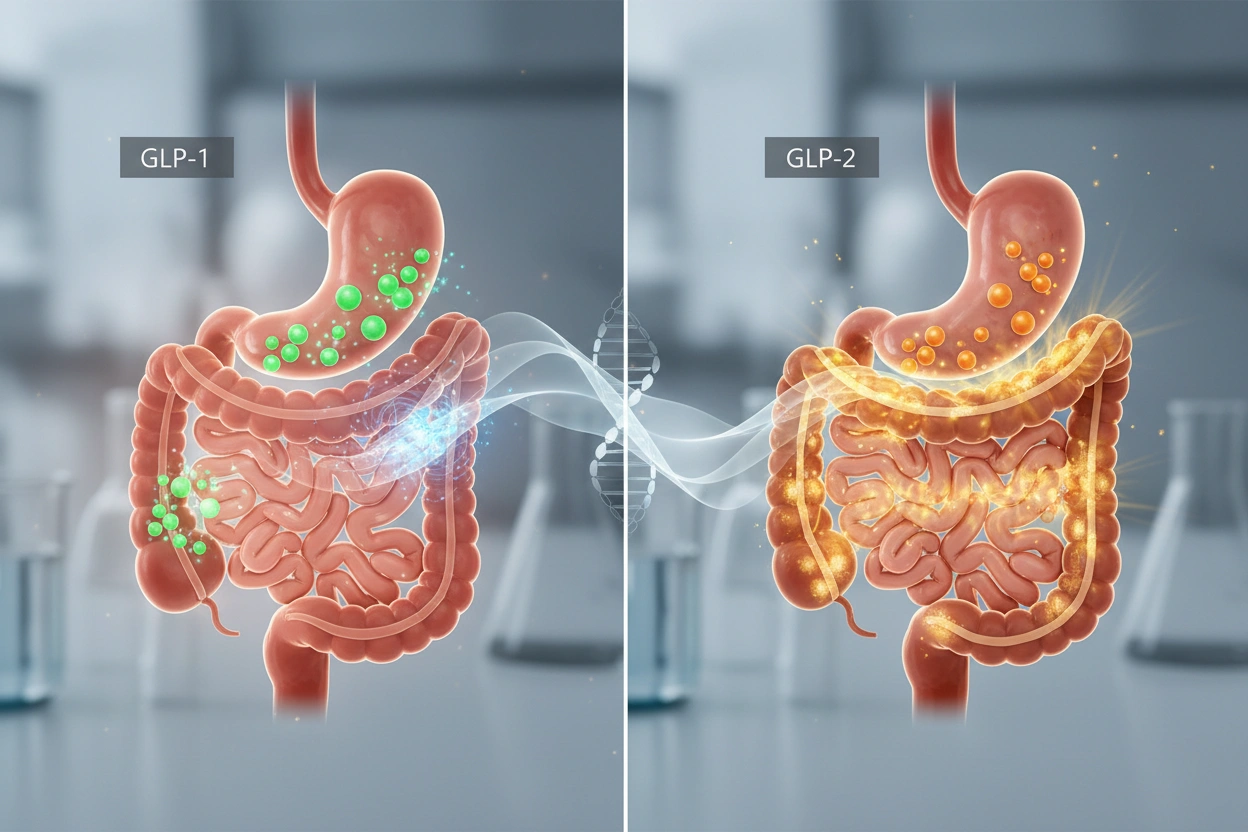
Role of GLP-1 in Digestive Health
GLP-1's influence on digestive health cannot be overstated. By promoting satiety and regulating insulin levels, it helps maintain a healthy weight, which is fundamental to preventing various digestive disorders.
- Weight Management: Excess weight is a known risk factor for gastroesophageal reflux disease (GERD) and other digestive issues. By regulating appetite, GLP-1 can help individuals achieve and maintain a healthier weight.
- Blood Sugar Control: Stable blood sugar levels are critical in preventing complications associated with diabetes, including gastroparesis, a condition that affects gastric emptying.
Role of GLP-2 in Digestive Health
GLP-2 is essential for maintaining gut integrity, which directly impacts nutrient absorption and overall health.
- Intestinal Health: A healthy gut lining is crucial for preventing conditions like leaky gut syndrome, where toxins and bacteria can enter the bloodstream, leading to systemic inflammation.
- Nutrient Absorption: By promoting the growth of enterocytes, GLP-2 enhances the capacity of the intestines to absorb vital nutrients, thereby supporting overall health and wellness.
Common Misconceptions About GLP-1 and GLP-2
Misconception 1: GLP-1 and GLP-2 are Interchangeable
A common misunderstanding is that GLP-1 and GLP-2 serve the same functions. While they are related and both play roles in digestive health, their functions are distinct and complementary.
Misconception 2: GLP-1 is Only Relevant for Diabetics
While GLP-1 is prominently featured in diabetes management, its benefits extend to anyone looking to improve digestive health or manage weight.
Misconception 3: GLP-2 is Not Important for Metabolism
Though GLP-2 is less involved in direct metabolic regulation compared to GLP-1, its role in maintaining gut health is critical for overall metabolic function. A healthy gut can significantly influence metabolic processes.
Practical Insights for Enhancing GLP-1 and GLP-2 Levels
Dietary Strategies to Increase GLP-1
To harness the benefits of GLP-1, consider incorporating the following dietary strategies:
- Increase Fiber Intake: Foods rich in soluble fiber, such as oats and legumes, can stimulate GLP-1 secretion.
- Include Healthy Fats: Avocados, nuts, and olive oil can enhance GLP-1 levels and promote satiety.
- Opt for Protein-Rich Foods: Lean meats, fish, and plant-based proteins can also trigger GLP-1 release.
Dietary Strategies to Enhance GLP-2
To support GLP-2 levels, focus on gut health through:
- Probiotics: Foods like yogurt and kefir can improve gut flora, promoting GLP-2 secretion.
- Prebiotic Foods: Garlic, onions, and asparagus feed beneficial gut bacteria, which may enhance GLP-2 activity.
- Hydration: Staying well-hydrated supports overall gut function and health.
The Future of GLP-1 and GLP-2 Research
As research continues to evolve, the understanding of GLP-1 and GLP-2 is expanding. Studies are focusing on their potential therapeutic applications, particularly in metabolic disorders, obesity, and gastrointestinal diseases.
- GLP-1 Therapeutics: The development of GLP-1 receptor agonists is a promising area in diabetes and obesity treatment.
- GLP-2 in Clinical Settings: There is ongoing research into GLP-2 as a treatment for conditions like short bowel syndrome, with potential for broader applications.
The Intersection of GLP-1 and GLP-2 in Digestive Health
As we have explored, the difference between GLP-1 and GLP-2 is significant, yet their interplay is vital for optimal digestive health. Understanding how these hormones function and their implications for health can empower individuals to make time for wellness.
To further enhance your understanding and application of these insights, consider how FlowWell — Finally Feel Good on Your GLP-1 Journey can support your journey toward better digestive health. With tailored solutions that align with the latest research on GLP-1 and GLP-2, FlowWell is here to help you navigate your health goals effectively.
Take Action for Your Digestive Health
As you reflect on the key differences between GLP-1 and GLP-2 and their roles in digestive health, it is crucial to take proactive steps. Incorporate dietary strategies that support both GLP-1 and GLP-2 levels and stay informed about emerging research.
For more tailored advice and solutions, visit FlowWell — Finally Feel Good on Your GLP. Your journey toward optimal digestive health begins with informed choices and the right support.