GLP-1 vs GLP-2: Which Hormone Supports Better Weight Loss?
Discover the difference between GLP-1 and GLP-2 and how they influence weight loss and appetite regulation for effective weight management.
GLP-1 vs GLP-2: Which Hormone Supports Better Weight Loss?
The topic of weight loss continues to dominate health discussions, with various hormonal influences playing a crucial role in metabolism and appetite regulation. Among these hormones, GLP-1 (glucagon-like peptide-1) and GLP-2 (glucagon-like peptide-2) have gained significant attention for their potential impacts on weight management. understanding the difference between GLP-1 and GLP-2 is essential for anyone looking to navigate the complexities of weight loss and metabolic health.
In this article, we will delve into the roles of GLP-1 and GLP-2 in weight loss, how they affect metabolism, and what current research indicates about their efficacy. We will also explore the mechanisms by which GLP-1 receptor agonists can assist in weight management, providing a comprehensive overview that equips you with the knowledge to make informed health choices.
Understanding GLP-1 and GLP-2: Definitions and Functions
What is GLP-1?
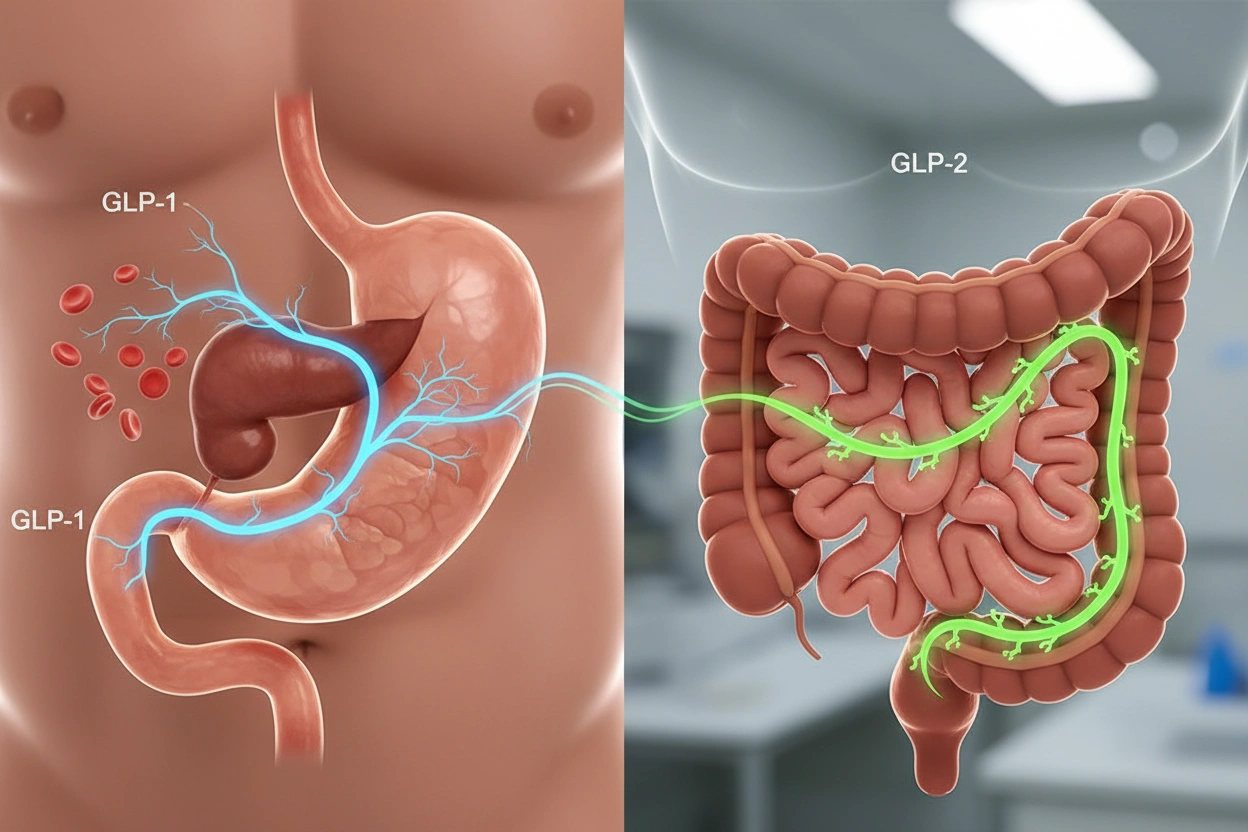
GLP-1 is a hormone produced in the intestines in response to food intake. Its primary functions include stimulating insulin secretion, inhibiting glucagon release, and slowing gastric emptying. These actions collectively contribute to reduced appetite and increased feelings of fullness, making GLP-1 a key player in weight loss strategies.
The importance of GLP-1 is underscored by its role in regulating blood sugar levels. This makes it particularly relevant for individuals with type 2 diabetes, as it can help manage glucose levels while promoting weight loss. Research has shown that GLP-1 receptor agonists, such as semaglutide, can lead to significant weight reduction in obese individuals, demonstrating the hormone's potential in weight management.
What is GLP-2?
GLP-2, on the other hand, is a hormone that shares structural similarities with GLP-1 but has different functions. Primarily, GLP-2 is involved in intestinal growth and repair. It enhances nutrient absorption and promotes the health of the intestinal lining, which is crucial for overall digestive health.
While GLP-2 does not directly influence appetite or weight loss in the same manner as GLP-1, it can play an indirect role by ensuring that the digestive system functions optimally. This can support overall digestive health, which is essential for effective weight management.
The Difference Between GLP-1 and GLP-2 in Weight Loss
Mechanisms of Action
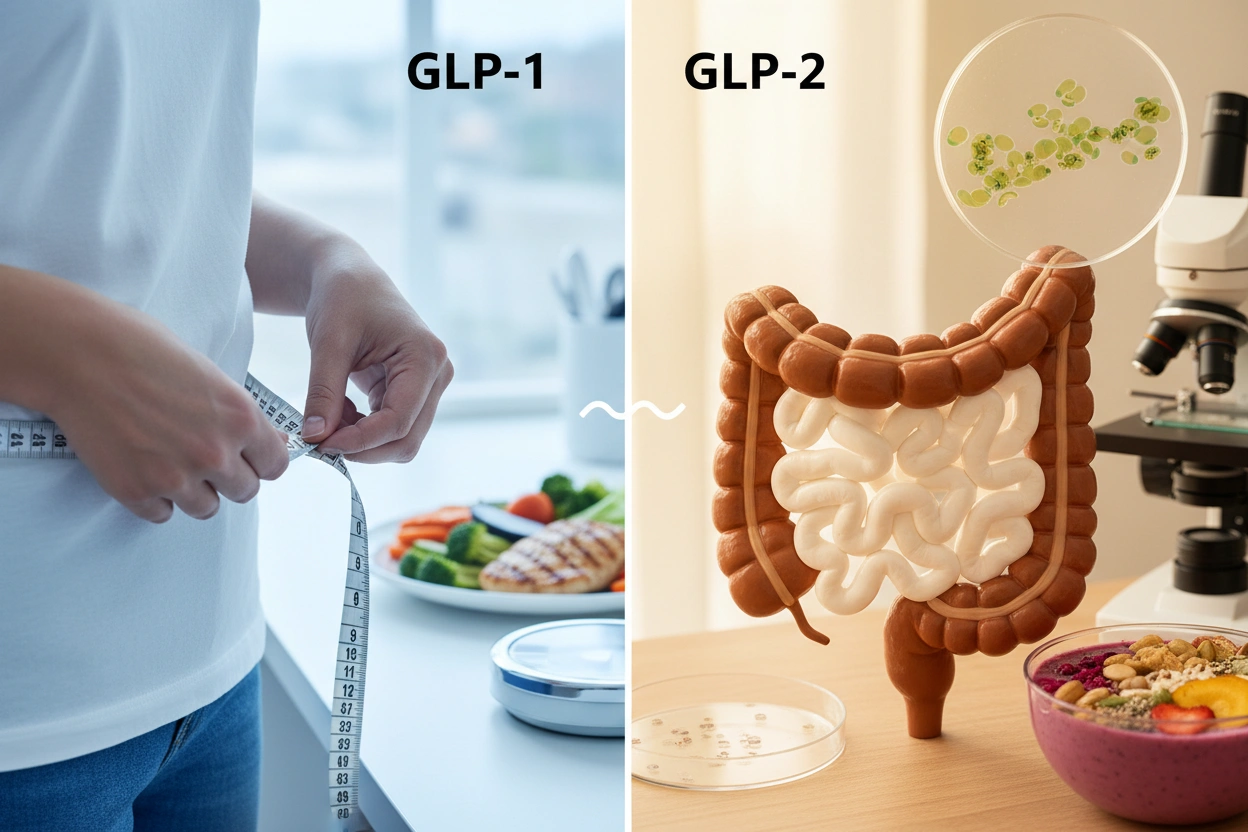
Understanding the difference between GLP-1 and GLP-2 requires a closer look at their distinct mechanisms of action. GLP-1 primarily influences weight loss through appetite regulation and glucose metabolism. It activates specific receptors in the brain that signal satiety, effectively reducing food intake. This appetite-suppressing effect is particularly beneficial for individuals looking to lose weight.
In contrast, GLP-2's role is more supportive in nature. While it does not directly contribute to weight loss, it ensures that the gastrointestinal system functions properly, which can indirectly affect weight management by optimizing nutrient absorption and gut health. Therefore, the primary focus for weight loss should be on GLP-1, particularly in the context of pharmacological interventions like GLP-1 receptor agonists.
Clinical Implications
Research indicates that GLP-1 receptor agonists can lead to substantial weight loss in individuals with obesity or overweight conditions. For instance, a study published in the New England Journal of Medicine highlighted that participants using semaglutide experienced an average weight loss of 15% over a 68-week period, compared to those receiving a placebo. This underscores the effectiveness of targeting GLP-1 for weight management.
Conversely, while GLP-2 plays a supportive role, it has not been extensively studied in the context of weight loss. Its primary applications are in treating conditions like short bowel syndrome, where enhancing nutrient absorption is crucial. Therefore, when considering weight loss strategies, focusing on GLP-1 and its receptor agonists is more beneficial.
How GLP-1 and GLP-2 Affect Metabolism

The Role of GLP-1 in Metabolic Health
GLP-1's impact on metabolism extends beyond appetite regulation. It promotes insulin secretion and enhances the body's sensitivity to insulin, which is vital for metabolic health. Improved insulin sensitivity can lead to better glucose control, reducing the risk of type 2 diabetes and associated metabolic disorders.
Additionally, GLP-1 influences fat metabolism by promoting lipid oxidation, which can help reduce body fat. This dual action—enhancing insulin secretion while promoting fat oxidation—makes GLP-1 a powerful hormone in the fight against obesity.
The Supporting Role of GLP-2 in Gut Health
While GLP-2 does not directly contribute to weight loss, its role in gut health is significant. By promoting intestinal growth and repair, GLP-2 ensures that the digestive system can effectively absorb nutrients. This can help maintain energy balance and overall well-being, which are crucial for anyone attempting to lose weight.
Moreover, a healthy gut microbiome, supported by GLP-2, can influence metabolic processes and appetite regulation. This indirect connection highlights the importance of both hormones in maintaining a balanced metabolic environment, even if GLP-1 takes the forefront in weight loss efforts.
The Impact of GLP-1 Receptor Agonists on Weight Loss
How GLP-1 Receptor Agonists Work
GLP-1 receptor agonists are synthetic compounds that mimic the action of GLP-1 in the body. By activating GLP-1 receptors, these medications enhance insulin secretion, suppress glucagon release, and slow gastric emptying. This multifaceted approach leads to reduced appetite and increased satiety, making it easier for individuals to adhere to calorie-restricted diets.
These agonists have shown promising results in clinical trials. For example, studies have demonstrated that individuals using GLP-1 receptor agonists can lose significant amounts of weight compared to those receiving standard weight loss advice alone.
Benefits of GLP-1 Receptor Agonists
The benefits of GLP-1 receptor agonists extend beyond weight loss. Some key advantages include:
- Improved glycemic control: By enhancing insulin sensitivity and reducing blood sugar levels, these medications can help manage diabetes effectively.
- Cardiovascular benefits: Research indicates that GLP-1 receptor agonists may reduce the risk of cardiovascular events, making them a valuable option for individuals with obesity and heart disease risk factors.
- Low risk of hypoglycemia: Unlike some other weight loss medications, GLP-1 receptor agonists have a low risk of causing dangerously low blood sugar levels, making them safer for long-term use.
Common Misconceptions About GLP-1 and GLP-2
Misconception: GLP-2 is as Effective for Weight Loss as GLP-1
One common misconception is that GLP-2 can support weight loss in the same way that GLP-1 does. However, as discussed, GLP-2's primary functions are related to gut health and nutrient absorption, not appetite regulation or weight loss. Understanding this distinction is crucial for anyone considering hormone-based weight loss strategies.
Misconception: All GLP-1 Agonists Are the Same
Another misconception is that all GLP-1 receptor agonists provide the same results. In reality, different formulations and dosages can lead to varying degrees of effectiveness and side effects. It is essential to consult with a healthcare provider to determine the most suitable option based on individual health needs and goals.
Actionable Insights for Weight Loss
Implementing GLP-1 Strategies
To effectively leverage the benefits of GLP-1 for weight loss, consider the following strategies:
- Consult with a healthcare professional: Discuss the potential benefits of GLP-1 receptor agonists and whether they are appropriate for your health goals.
- Combine medication with lifestyle changes: While GLP-1 receptor agonists can aid in weight loss, incorporating healthy eating and regular physical activity is crucial for long-term success.
- Monitor progress: Regularly track weight, dietary habits, and physical activity levels to identify patterns and make necessary adjustments.
Supporting Gut Health with GLP-2
While GLP-2 is not directly involved in weight loss, maintaining gut health can support overall well-being. Here are some tips to enhance gut health:
- Consume a balanced diet rich in fiber: Foods such as fruits, vegetables, whole grains, and legumes can promote a healthy gut microbiome.
- Stay hydrated: Adequate water intake is essential for optimal digestive function. Does GLP1 constipation go away.
- Consider probiotics: These beneficial bacteria can support gut health and may enhance the effects of GLP-2.
The Intersection of GLP-1 and GLP-2 in Weight Management
The difference between GLP-1 and GLP-2 is clear in their roles within the body. While GLP-1 is a powerful ally in the pursuit of weight loss through appetite regulation and glucose control, GLP-2 supports overall digestive health, which is equally important for maintaining a healthy weight.
Incorporating knowledge about these hormones into your weight management strategy can provide a more holistic approach to health. By understanding how GLP-1 receptor agonists can aid in weight loss and recognizing the supportive role of GLP-2, individuals can make informed decisions that align with their health goals.
FlowWell — Finally Feel Good on Your GLP
As we have explored, understanding the difference between GLP-1 and GLP-2 can significantly impact your weight loss journey. By focusing on GLP-1 and utilizing GLP-1 receptor agonists, you can enhance your weight management efforts. Additionally, supporting gut health through GLP-2 can create a balanced metabolic environment.
If you're interested in learning more about how GLP-1 can support your weight loss goals, we invite you to explore the resources available at FlowWell — Finally Feel Good on Your GLP. Our team is dedicated to providing you with the information and support you need to succeed on your health journey.
Visit FlowWell — Finally Feel Good on Your GLP for more insights and personalized guidance tailored to your unique health needs.