GLP1 Constipation: Signs It’s Improving and When to Seek Help
Learn about GLP1 constipation, signs of improvement, and when to seek help. Discover if GLP1 constipation goes away with the right approach.
GLP1 Constipation: Signs It’s Improving and When to Seek Help
Constipation is a common side effect of GLP-1 receptor agonists, a class of medications used to manage type 2 diabetes and obesity. As more patients turn to drugs like Ozempic, understanding the implications of these medications on gastrointestinal health becomes crucial. Many individuals find themselves asking, Does GLP1 constipation go away? This article will explore the signs of improving constipation, when to seek medical help, and dietary tips to alleviate this uncomfortable side effect.
Understanding GLP-1 and Its Impact on Digestion
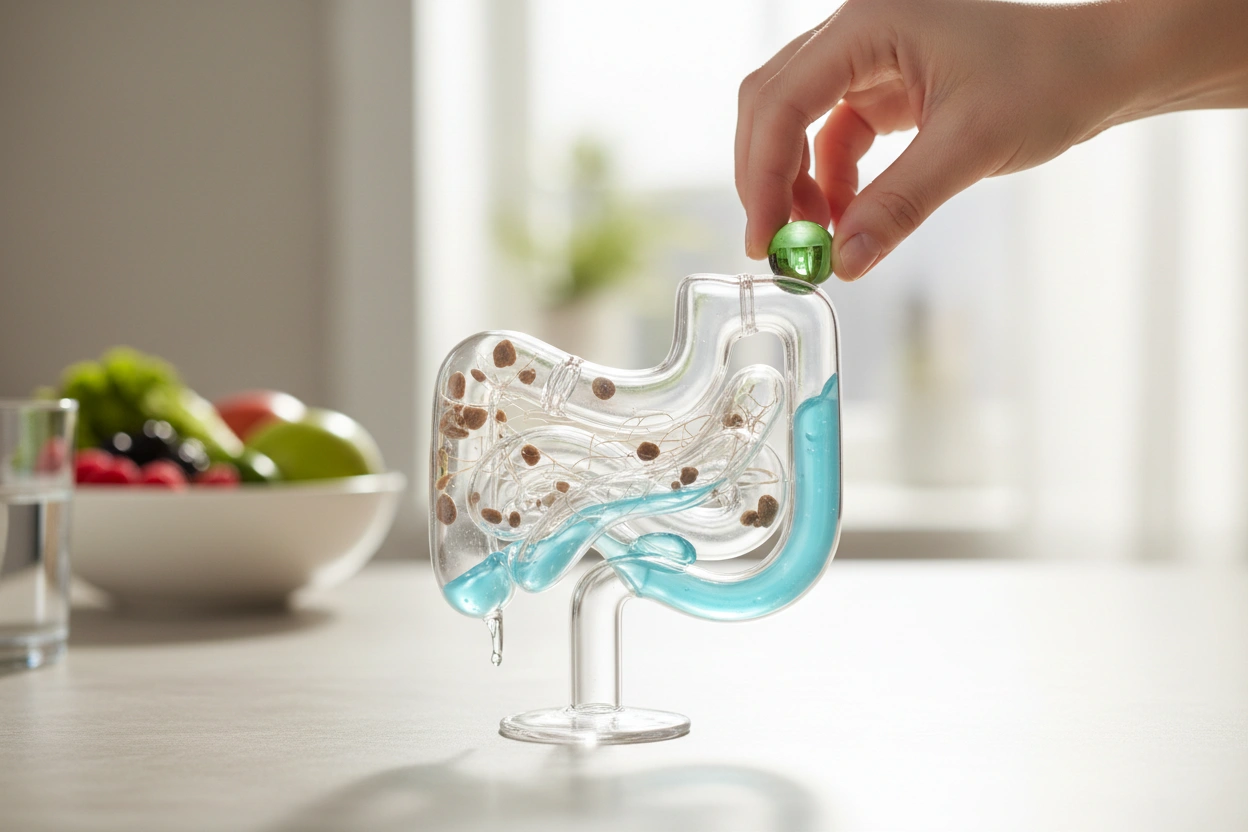
GLP-1, or glucagon-like peptide-1, is a hormone that plays a significant role in glucose metabolism. Medications that mimic this hormone can help regulate blood sugar levels and promote weight loss. However, these benefits come with potential gastrointestinal side effects, including constipation.
The Mechanism Behind GLP-1 Induced Constipation
GLP-1 receptor agonists slow down gastric emptying, which can lead to increased stool consistency and reduced bowel movements. When the digestive system processes food more slowly, it can result in discomfort and constipation. It's essential for patients to recognize that while this side effect can be bothersome, it is often manageable with dietary and lifestyle changes.
Who Is Affected by GLP-1 Constipation?
Not everyone who uses GLP-1 medications will experience constipation, but certain factors can increase the likelihood. These include:
- Dosage: Higher doses of medications like Ozempic may lead to more pronounced gastrointestinal effects.
- Individual physiology: Some people naturally have slower bowel transit times, making them more susceptible.
- Dietary habits: A low-fiber diet can exacerbate constipation symptoms.
Signs That GLP-1 Constipation Is Improving

Recognizing when GLP-1 constipation is improving can help alleviate anxiety and encourage patients to continue their treatment plan. Here are some signs to look out for:
Increased Frequency of Bowel Movements
A noticeable sign of improvement is an increase in the frequency of bowel movements. Patients may find themselves visiting the restroom more regularly than before, indicating that their digestive system is beginning to function more normally.
Softer Stool Consistency
Another positive sign is a change in stool consistency. Softer stools that are easier to pass can indicate that the gastrointestinal tract is responding well to dietary changes or medication adjustments.
Reduction in Abdominal Discomfort
As constipation improves, patients often report a decrease in abdominal pain or bloating. This reduction in discomfort can significantly enhance overall well-being and quality of life.
Enhanced Energy Levels
Improved digestion can lead to better nutrient absorption and increased energy levels. Patients may find that they feel less fatigued and more capable of engaging in daily activities.
When to Seek Help for GLP-1 Constipation

While many individuals will experience manageable constipation, there are times when it is crucial to seek medical advice. Understanding when to reach out to a healthcare professional can prevent complications.
Persistent Symptoms
If constipation persists for more than a week despite dietary modifications and other interventions, it may be time to consult a healthcare provider. Chronic constipation can lead to more severe gastrointestinal issues and should not be overlooked.
Severe Abdominal Pain
Experiencing severe abdominal pain alongside constipation can indicate a more serious condition, such as bowel obstruction. If this occurs, immediate medical attention is essential.
Signs of Dehydration
Patients should be aware of signs of dehydration, which can accompany constipation. Symptoms may include dizziness, dry mouth, and decreased urine output. If these symptoms arise, seeking medical advice is critical.
Changes in Bowel Habits
Any sudden changes in bowel habits, such as the onset of diarrhea after a period of constipation, should be discussed with a healthcare provider. This could indicate an adverse reaction to medication or a more serious underlying condition.
Top Dietary Tips to Alleviate Constipation from GLP-1 Drugs
Diet plays a crucial role in managing GLP-1 induced constipation. Here are some effective dietary strategies to consider:
Increase Fiber Intake
Fiber is essential for promoting healthy bowel movements. Incorporating more fiber-rich foods can help alleviate constipation. Consider adding:
- Whole grains (e.g., brown rice, quinoa)
- Fruits (e.g., apples, berries, pears)
- Vegetables (e.g., broccoli, carrots, leafy greens)
- Legumes (e.g., beans, lentils)
Stay Hydrated
Adequate hydration is vital for digestive health. Drinking enough water can help soften stool and promote regular bowel movements. Aim for at least 8-10 cups of water per day, adjusting based on activity level and individual needs.
Incorporate Probiotics
Probiotics can support gut health and improve bowel regularity. Foods rich in probiotics include:
- Yogurt
- Kefir
- Sauerkraut
- Kimchi
These foods can help balance gut bacteria, enhancing digestion and reducing constipation.
Limit Processed Foods
Processed foods often lack fiber and can contribute to constipation. Reducing the intake of high-fat and high-sugar processed foods can improve overall digestive function. Focus on whole, unprocessed foods whenever possible.
Common Misconceptions About GLP-1 Constipation
Several misconceptions surround GLP-1 constipation that can lead to confusion. Addressing these can help patients manage their symptoms effectively.
Misconception 1: Constipation Is Inevitable
Many patients believe that constipation is an unavoidable side effect of GLP-1 medications. While it is common, it is not guaranteed. With the right dietary and lifestyle changes, many individuals can manage or even eliminate constipation.
Misconception 2: Increasing Medication Will Resolve Constipation
Some individuals may think that increasing their medication dosage will help with constipation. However, higher doses can exacerbate gastrointestinal symptoms. It is essential to consult a healthcare provider before making any changes to medication.
Misconception 3: All Fiber Sources Are Equal
Not all fiber is created equal. While soluble fiber can help with constipation by softening stool, insoluble fiber adds bulk and may not be as effective for everyone. Understanding the types of fiber and their effects on digestion is crucial.
The Intersection of GLP-1 Constipation Management and FlowWell
Understanding the complexities of GLP-1 constipation can empower patients to take control of their health. Addressing the question, managing GLP-1 related side effects with effective strategies is essential for a smoother experience with GLP-1 medications.
FlowWell — Finally Feel Good on Your GLP can provide personalized support and resources to help manage GLP-1 related side effects. From dietary advice to lifestyle modifications, FlowWell offers comprehensive guidance tailored to individual needs. If you are navigating the challenges of GLP-1 constipation and looking for effective strategies, reach out for personalized support. Visit understanding when to reach out to a healthcare professional to learn more about how we can help you achieve better digestive health and overall well-being.