How Diet Changes Help Ease GLP1 Constipation on Wegovy or Ozempic
Discover how diet changes can help ease GLP-1 constipation for those on Wegovy or Ozempic. Learn effective strategies for relief.
How Diet Changes Help Ease GLP1 Constipation on Wegovy or Ozempic
Constipation is a common side effect experienced by individuals using GLP-1 agonists, such as Wegovy and Ozempic, which are primarily prescribed for weight management and diabetes control. The mechanisms of these medications can slow down gastrointestinal motility, leading to digestive discomfort. This article delves into effective dietary changes that can alleviate GLP-1 constipation and provides actionable insights on what can i take for glp1 constipation.
Understanding the relationship between diet and gastrointestinal health is crucial, especially for those undergoing treatment with GLP-1 agonists. The right nutritional strategies can not only improve bowel regularity but also enhance overall well-being. This article will explore various dietary adjustments, beneficial foods, and hydration strategies to help manage constipation effectively.
Understanding GLP-1 Agonist Side Effects
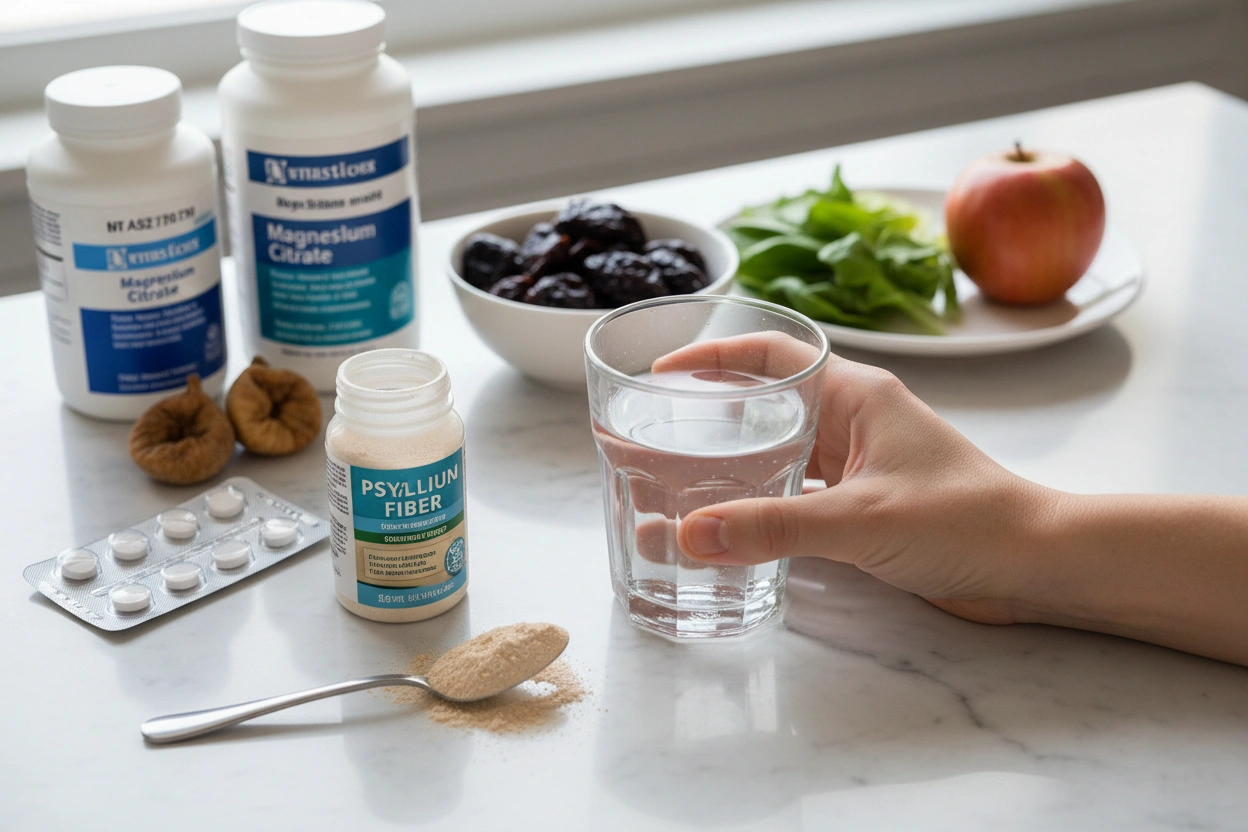
GLP-1 agonists, while effective for managing blood sugar and promoting weight loss, come with a set of side effects, with constipation being one of the most common.
The Mechanism Behind Constipation
GLP-1 agonists work by mimicking the incretin hormone, which regulates insulin secretion. One of the side effects of this mechanism is delayed gastric emptying, which can result in slower movement of food through the intestines. This slowed transit time can lead to hard stools and infrequent bowel movements.
Common Symptoms of GLP-1 Induced Constipation
Individuals experiencing constipation may notice:
- Infrequent bowel movements (less than three times a week)
- Hard, dry stools that are difficult to pass
- Abdominal discomfort or bloating
- The sensation of incomplete evacuation
Recognizing these symptoms is the first step in addressing the issue. Patients should consult their healthcare provider if these symptoms persist or worsen.
Dietary Changes to Combat Wegovy-Related Digestive Issues
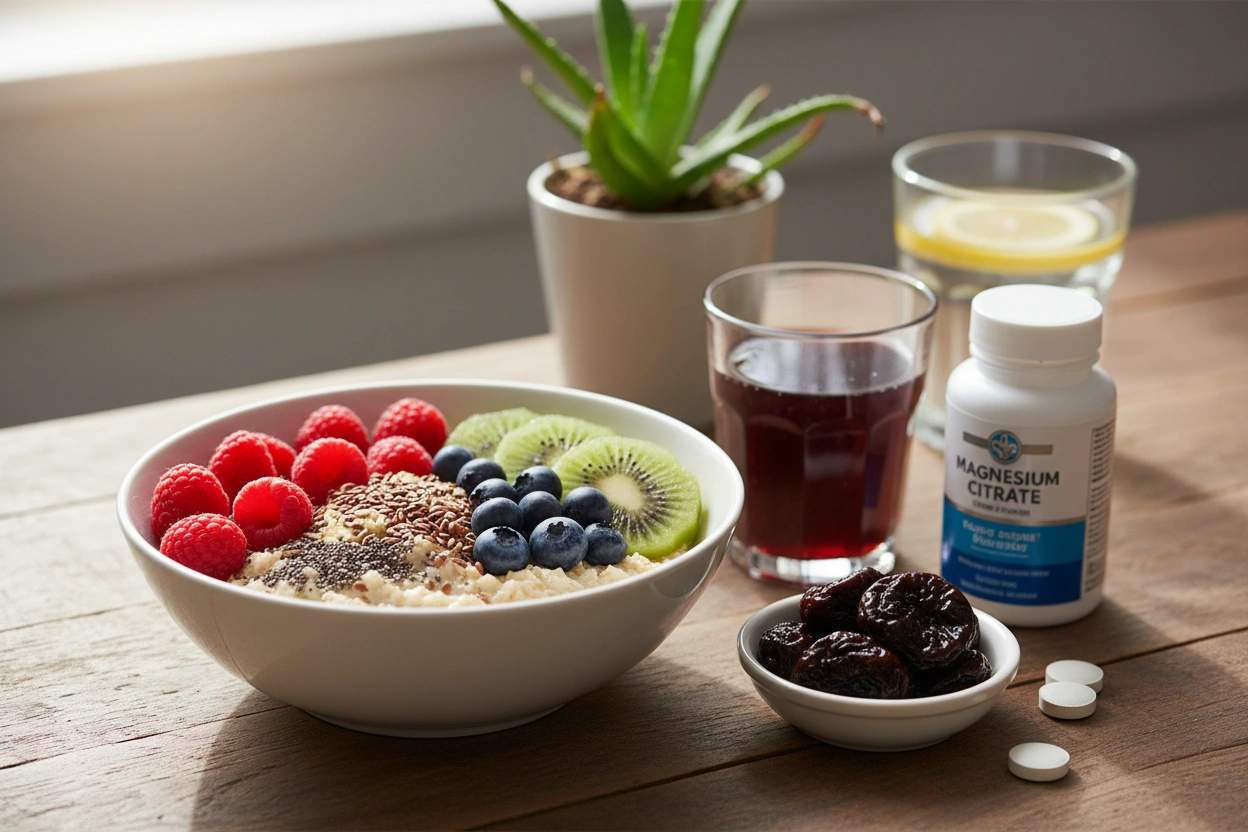
Diet plays a vital role in managing constipation. Here are several dietary changes that can be effective:
1. Increase Fiber Intake
Dietary fiber is essential for promoting healthy digestion and preventing constipation. There are two types of fiber: soluble and insoluble.
- Soluble Fiber: Found in foods like oats, beans, lentils, and fruits, soluble fiber helps absorb water, forming a gel-like substance that softens stools.
- Insoluble Fiber: Found in whole grains, nuts, and vegetables, this type adds bulk to stools and helps them pass more quickly through the intestines.
To effectively increase fiber intake:
- Gradually incorporate high-fiber foods into your diet.
- Aim for at least 25-30 grams of fiber daily.
- Include a variety of fiber sources to benefit from both types.
2. Stay Hydrated
Hydration is crucial for digestive health. Water helps dissolve soluble fiber, allowing it to work effectively in softening stools.
- Aim for at least 8-10 cups of water daily, adjusting based on activity levels and climate.
- Include hydrating foods in your diet, such as cucumbers, oranges, and watermelon.
- Consider herbal teas or broths as additional fluid sources.
3. Incorporate Probiotics
Probiotics are beneficial bacteria that can enhance gut health and improve bowel regularity. Fermented foods are excellent sources of probiotics.
- Include yogurt, kefir, sauerkraut, kimchi, and miso in your diet.
- Probiotic supplements can also be beneficial; consult your healthcare provider for recommendations.
4. Limit Constipating Foods
Certain foods can exacerbate constipation and should be consumed in moderation, especially when taking GLP-1 agonists.
- Processed foods, such as white bread and pastries, are low in fiber.
- Dairy products can lead to constipation in some individuals.
- High-fat foods can slow digestion; focus on healthy fats from sources like avocados and olive oil.
5. Monitor Portion Sizes and Eating Habits
Eating large meals can overwhelm the digestive system, especially for those on GLP-1 medications.
- Consider smaller, more frequent meals throughout the day.
- Chew food thoroughly to aid digestion and promote satiety.
- Avoid rushing meals; take time to enjoy your food and allow your body to signal fullness.
Lifestyle Adjustments to Support Digestive Health

In addition to dietary changes, certain lifestyle adjustments can further alleviate GLP-1 constipation.
1. Regular Physical Activity
Exercise stimulates intestinal motility, helping food move through the digestive tract more efficiently.
- Aim for at least 150 minutes of moderate exercise weekly.
- Activities such as walking, jogging, cycling, or yoga can be particularly beneficial.
2. Establish a Routine
Creating a regular routine for meals and bathroom visits can help train your body for consistent bowel movements.
- Try to eat meals at the same times each day.
- Set aside time after meals for a trip to the bathroom, especially after breakfast when the body’s natural reflexes are more active.
3. Stress Management
Stress can negatively impact digestion and exacerbate constipation.
- Engage in relaxation techniques such as deep breathing, meditation, or yoga.
- Prioritize self-care and activities that promote mental well-being.
Exploring What Can I Take for GLP1 Constipation
For those who find dietary and lifestyle changes insufficient, there are several options available for managing GLP-1 induced constipation.
1. Over-the-Counter Laxatives
There are various types of laxatives that can be effective, including:
- Bulk-forming laxatives: These increase stool bulk and are best used with plenty of water (e.g., psyllium husk).
- Stool softeners: These help moisten hard stools (e.g., docusate sodium).
- Stimulant laxatives: These trigger bowel contractions but should be used sparingly (e.g., bisacodyl).
2. Prescription Medications
In some cases, healthcare providers may prescribe medications specifically designed to treat constipation. These include:
- Lubiprostone: Increases fluid secretion in the intestines.
- Linaclotide: Affects the movement of fluid in the intestines.
Always consult your healthcare provider before starting any new medication or supplement to ensure safety and appropriateness for your situation.
3. Natural Remedies
Some individuals find relief using natural remedies such as:
- Aloe Vera Juice: Known for its laxative properties.
- Senna Tea: A herbal tea that can stimulate bowel movements.
As with any remedy, it is essential to discuss these options with your healthcare provider.
Common Misconceptions and Mistakes to Avoid
Understanding the nuances of managing GLP-1 induced constipation can help prevent common pitfalls.
1. Believing That All Fiber is the Same
Not all fibers have the same effect on digestion. Understanding the difference between soluble and insoluble fibers is crucial for tailoring dietary changes effectively.
2. Ignoring Hydration
Many individuals focus solely on fiber and overlook the importance of hydration. Water intake is essential for fiber to function effectively in the digestive system.
3. Relying Solely on Medications
While medications can provide relief, they should be part of a comprehensive approach that includes dietary and lifestyle changes. Relying solely on medications can lead to dependency and may not address the root cause of constipation.
The Intersection of Diet and GLP-1 Health
Diet plays a pivotal role in managing GLP-1 constipation. By implementing dietary changes, increasing fiber and hydration, and making lifestyle adjustments, individuals can significantly improve their digestive health.
For those seeking additional support, FlowWell — Finally Feel Good on Your GLP can provide tailored solutions to enhance your well-being. Our approach combines dietary insights with effective supplement stack to help you manage GLP-1 constipation effectively.
If you are navigating the challenges of constipation while on GLP-1 agonists, consider taking proactive steps today. Learn more about what can i take for glp1 constipation and explore how our solutions can help you achieve better digestive health.
Visit FlowWell — Finally Feel Good on Your GLP for more information and resources tailored to your needs.