How Long Until GLP1 Constipation Goes Away: Patient Guide
Learn how long GLP-1 constipation lasts and effective management strategies in our comprehensive patient guide.
How Long Until GLP-1 Constipation Goes Away: Patient Guide
Constipation is a common side effect of GLP-1 receptor agonists, such as Ozempic, which are often prescribed for weight management and type 2 diabetes. Patients frequently ask, "Does GLP-1 constipation go away?" Understanding the duration and management of this condition is crucial for those navigating their treatment journey. In this guide, we will explore the nature of GLP-1 induced constipation, how long it typically lasts, and dietary strategies to alleviate this discomfort.
Understanding GLP-1 Receptor Agonists
GLP-1 receptor agonists are a class of medications that mimic the effects of glucagon-like peptide-1, a hormone that plays a significant role in glucose metabolism and appetite regulation. These medications have gained popularity for their effectiveness in managing blood sugar levels and promoting weight loss. However, with their benefits come side effects, one of the most commonly reported being constipation.
What Causes Constipation with GLP-1 Drugs?
The mechanism behind constipation related to GLP-1 medications involves several physiological changes:
- Slowed Gastric Emptying: GLP-1 slows down the process of gastric emptying, meaning food stays in the stomach longer, which can lead to constipation.
- Decreased Gastrointestinal Motility: These drugs can reduce the contractions of the intestines, making it harder for stool to pass through the digestive tract.
- Dietary Changes: Patients often change their eating habits while on GLP-1 medications, which can inadvertently contribute to constipation.
Understanding these mechanisms can help patients better manage their symptoms and adjust their lifestyle accordingly.
Duration of GLP-1 Induced Constipation
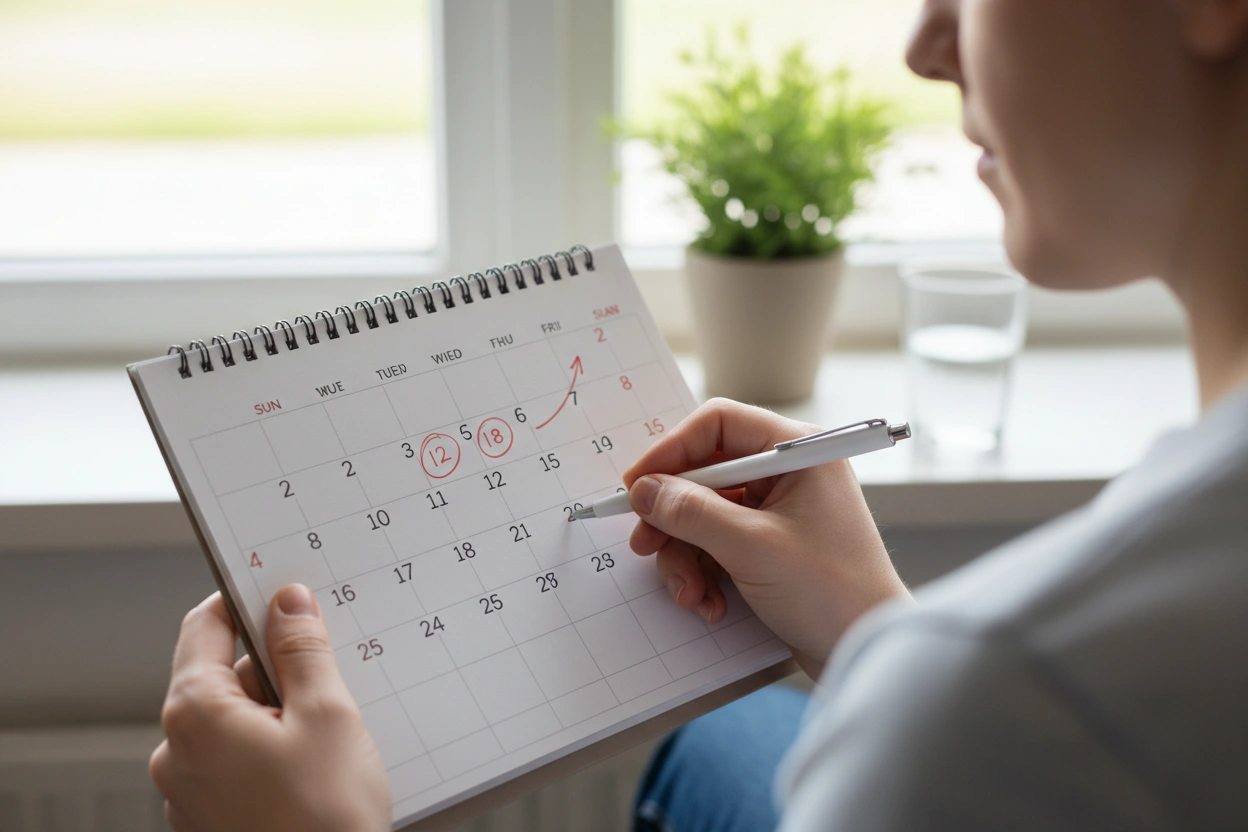
A common question among patients is how long GLP-1 induced constipation lasts. The duration can vary significantly from person to person, influenced by factors such as dietary habits, hydration levels, and individual responses to medication.
Typical Duration
- Initial Phase: Many patients experience constipation shortly after starting GLP-1 therapy. This can last anywhere from a few days to several weeks as the body adjusts to the medication.
- Long-Term Management: For some, constipation may persist for a longer period, especially if dietary adjustments are not made. It is essential to monitor symptoms and consult with a healthcare provider if constipation continues beyond a few weeks. dietary changes help GLP1 constipation go away.
When to Seek Medical Advice
Patients should be vigilant about their symptoms. If constipation is accompanied by severe abdominal pain, vomiting, or blood in the stool, it is crucial to seek medical attention promptly. These could be signs of more serious complications that require immediate intervention.
Dietary Tips to Alleviate Constipation from GLP-1 Drugs
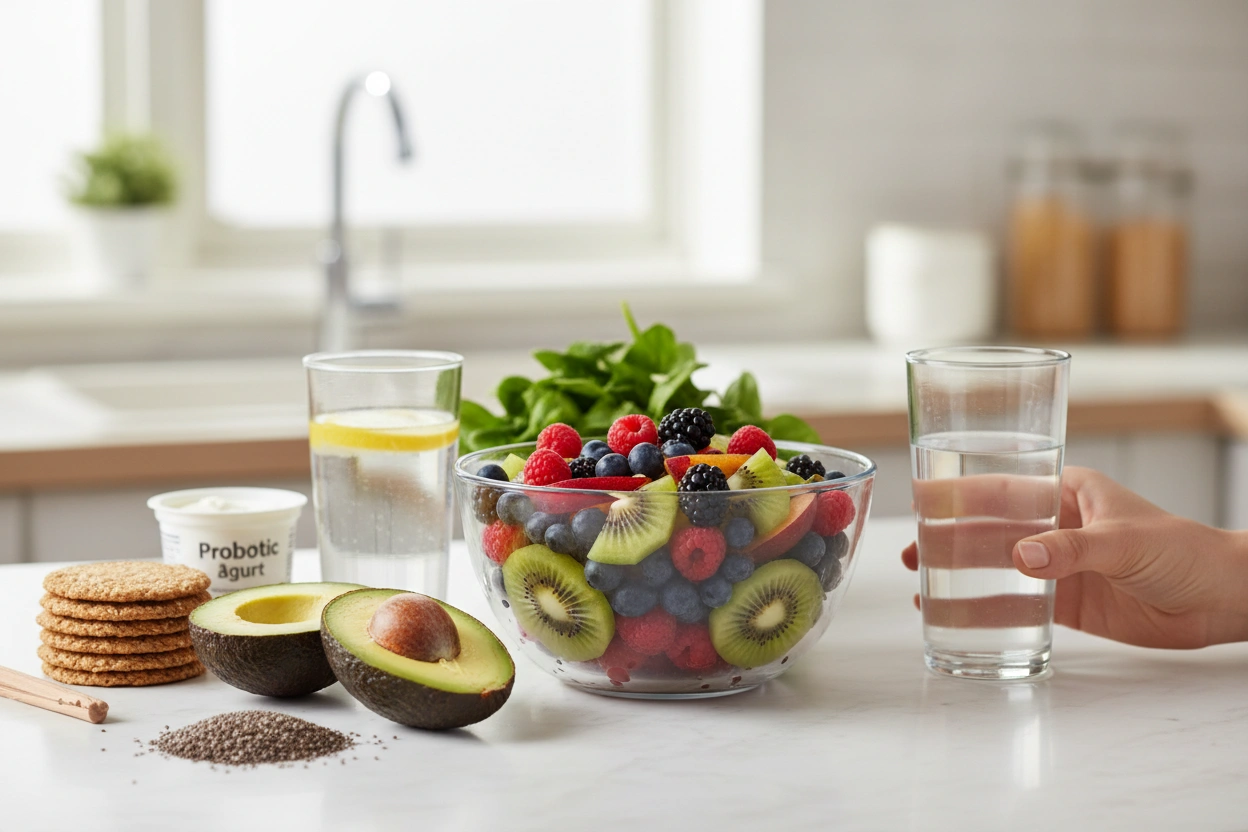
Diet plays a significant role in managing constipation, especially for patients on GLP-1 medications. Here are some actionable dietary tips to help alleviate constipation:
Increase Fiber Intake
A high-fiber diet can significantly improve bowel regularity. Consider incorporating the following fiber-rich foods:
- Fruits: Berries, apples, and pears are excellent sources of dietary fiber.
- Vegetables: Leafy greens, broccoli, and carrots contribute both fiber and hydration.
- Whole Grains: Oats, brown rice, and whole grain bread provide soluble and insoluble fiber.
Stay Hydrated
Adequate hydration is essential for digestive health. Water helps to soften stool and promote regular bowel movements. Aim for:
- At least 8 cups of water daily, adjusting based on activity level and climate.
- Herbal teas and broths can also contribute to overall fluid intake.
Incorporate Probiotics
Probiotics can help balance gut bacteria and improve digestion. Foods rich in probiotics include:
- Yogurt: Look for varieties containing live active cultures.
- Kefir: A fermented dairy product that is rich in probiotics.
- Fermented Vegetables: Sauerkraut and kimchi can boost gut health.
Avoid Constipation Triggers
Certain foods can exacerbate constipation. Patients should consider reducing their intake of:
- Processed Foods: High in fats and sugars but low in fiber.
- Dairy Products: Cheese and milk can be constipating for some individuals.
- Red Meat: High in fat and low in fiber, which can slow digestion.
Common Misconceptions About GLP-1 and Constipation
When dealing with GLP-1 constipation, several misconceptions can lead to confusion and ineffective management strategies. Here, we clarify some common myths:
Myth: Constipation Is Inevitable with GLP-1 Use
While constipation is a common side effect, it is not an unavoidable consequence of GLP-1 therapy. Many patients successfully manage their symptoms through dietary changes and lifestyle adjustments.
Myth: Increasing Medication Dosage Will Solve Constipation
Some patients may think that increasing the dosage of their GLP-1 medication will alleviate constipation. However, this can often worsen the condition, as higher doses may further slow gastrointestinal motility. Always consult with a healthcare provider before making any changes to medication.
Myth: All Fiber Is the Same
Not all fiber is equally beneficial for digestion. Soluble fiber, found in foods like oats and apples, absorbs water and can help soften stool, while insoluble fiber, found in whole grains and vegetables, adds bulk to stool and aids in its passage. A balanced intake of both types is crucial for effective management.
Practical Steps for Managing GLP-1 Induced Constipation
To effectively manage constipation while on GLP-1 medications, follow these practical steps:
- Track Your Symptoms: Keep a journal of your bowel movements, dietary intake, and hydration levels to identify patterns and triggers.
- Consult with a Dietitian: A registered dietitian can provide personalized dietary advice tailored to your specific needs and medication regimen. nutrient deficiencies.
- Regular Physical Activity: Engage in regular exercise to stimulate gut motility. Aim for at least 150 minutes of moderate aerobic activity each week.
- Consider Over-the-Counter Solutions: If dietary changes are insufficient, discuss the use of fiber supplements or laxatives with your healthcare provider.
The Intersection of GLP-1 Management and Digestive Health
Understanding "Does GLP-1 constipation go away?" is essential for patients navigating their treatment. While it can be a challenging side effect, effective management through dietary and lifestyle changes can significantly improve quality of life.
With the right strategies, many patients find that their symptoms diminish over time, allowing them to reap the benefits of their GLP-1 therapy. personalized guidance.
FlowWell — Finally Feel Good on Your GLP offers resources and support to help you manage your health journey effectively. If you are struggling with GLP-1 induced constipation, consider reaching out for personalized guidance.
Take Action Today
For further assistance and tailored strategies to manage your GLP-1 side effects, visit FlowWell — Finally Feel Good on Your GLP. Our team is dedicated to helping you feel your best while navigating your treatment.