How Probiotics Help: What Can I Take for GLP1 Constipation Relief
Discover what you can take for GLP1 constipation relief, focusing on probiotics and effective remedies for gastrointestinal discomfort.
How Probiotics Help: What Can I Take for GLP1 Constipation Relief
Constipation is a common side effect for individuals using GLP-1 agonists, such as Ozempic, for diabetes management and weight loss. While these medications are effective in regulating blood sugar levels, they can lead to gastrointestinal discomfort, particularly constipation. This article provides a comprehensive guide on easing constipation caused by Ozempic, focusing on the role of probiotics and other remedies.
Understanding GLP-1 Agonists and Their Effects on Digestion
GLP-1 agonists, like Ozempic, work by mimicking the action of the glucagon-like peptide-1 hormone, which helps regulate appetite and insulin secretion. However, one of the unintended consequences of this mechanism is slowed gastric emptying, leading to constipation in some patients. Understanding this process is crucial in addressing how to alleviate constipation symptoms effectively.
The Mechanism Behind Constipation
When GLP-1 agonists are introduced into the body, they delay gastric emptying and increase satiety. While this can be beneficial for weight management, it often results in food remaining in the digestive tract longer than normal. This extended presence can lead to harder stools and reduced bowel frequency.
Side Effects of Ozempic and Other GLP-1 Agonists
Some common side effects associated with Ozempic include:
- Nausea
- Vomiting
- Diarrhea
- Constipation
- Abdominal pain
Although constipation is often overlooked, it can significantly impact the quality of life. Thus, it is essential to explore effective remedies and lifestyle changes to mitigate these symptoms.
What Can I Take for GLP1 Constipation?
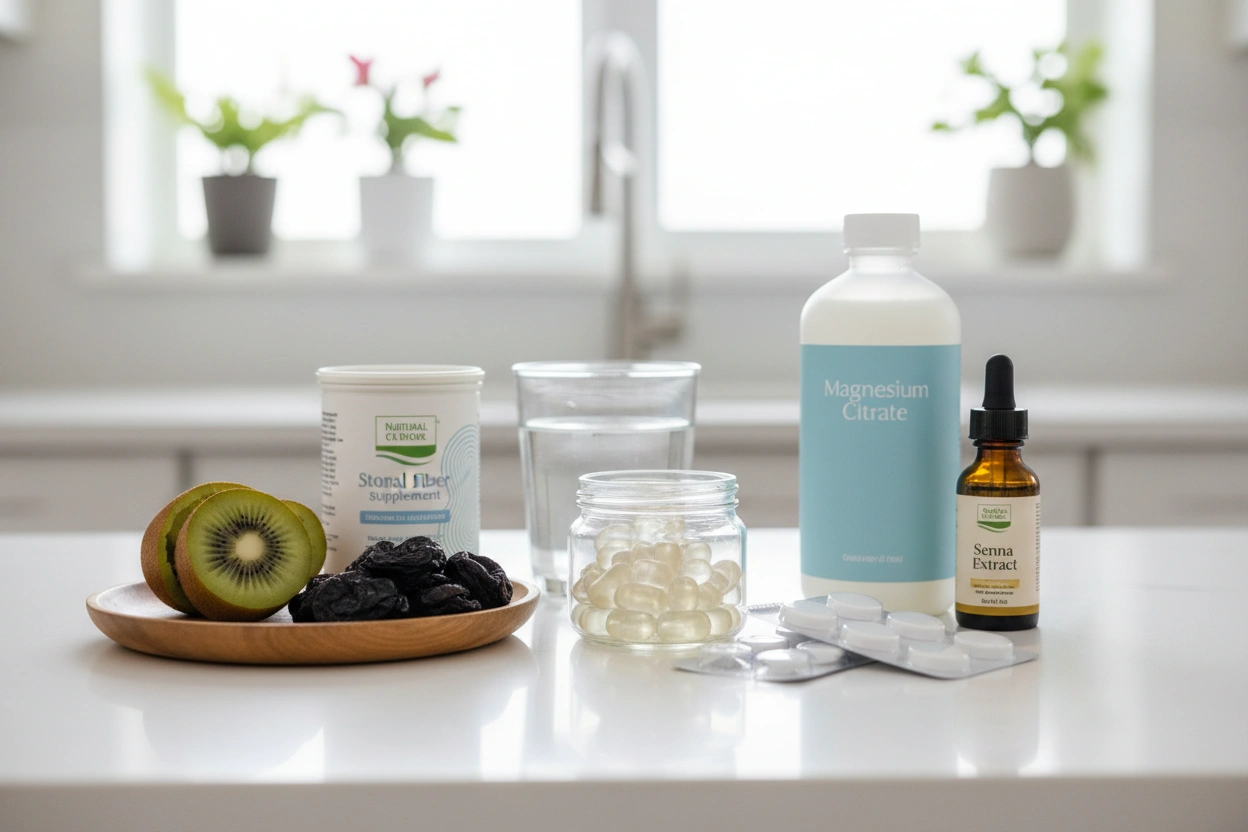
Easing constipation related to GLP-1 medications involves a multifaceted approach. Here are some effective strategies:
- Probiotics
- Dietary Adjustments
- Hydration
- Physical Activity
- Medications and Supplements
Probiotics: The Gut Health Powerhouse
Probiotics are live microorganisms that can provide health benefits when consumed in adequate amounts. They play a significant role in gut health by restoring the natural balance of gut flora, which can be disrupted by medications like Ozempic.
Types of Probiotics
When considering what probiotics to take for GLP-1 constipation relief, the following strains are particularly beneficial:
- Lactobacillus: Known for its ability to improve gut motility.
- Bifidobacterium: Helps in softening stools and enhancing bowel movements.
- Saccharomyces boulardii: A yeast probiotic that can also reduce gastrointestinal discomfort.
How to Incorporate Probiotics
Probiotics can be found in various forms, including:
- Fermented Foods: Yogurt, kefir, sauerkraut, and kimchi.
- Probiotic Supplements: Capsules or powders available at health stores.
- Prebiotic Foods: Foods rich in fiber, such as bananas, onions, and garlic, which help feed the beneficial bacteria.
Dietary Adjustments to Combat Constipation
Your diet plays a crucial role in managing constipation. Consider these dietary changes:
- Increase Fiber Intake: Aim for a diet high in both soluble and insoluble fiber. Foods such as whole grains, fruits, vegetables, and legumes are excellent sources.
- Limit Processed Foods: Reduce intake of processed and high-fat foods that can slow digestion.
- Consider FODMAPs: Some individuals may benefit from a low FODMAP diet, which reduces certain carbohydrates that can cause bloating and discomfort.
Hydration: The Key to Softening Stools
Proper hydration is essential for digestive health. Drinking adequate fluids helps soften stools, making them easier to pass. Here are some hydration tips:
- Drink Water Regularly: Aim for at least eight glasses of water daily, adjusting based on activity level and climate.
- Herbal Teas: Certain herbal teas, like peppermint and ginger, can aid digestion and promote gut health.
- Avoid Caffeinated Beverages: Excessive caffeine can lead to dehydration, exacerbating constipation.
Physical Activity: Keep Things Moving
Regular physical activity stimulates the digestive system, promoting regular bowel movements. Incorporate the following into your routine:
- Aerobic Exercise: Activities such as walking, jogging, or cycling can enhance gut motility.
- Strength Training: Building muscle can also support metabolic health and promote regularity.
- Yoga and Stretching: Specific yoga poses are designed to aid digestion and relieve constipation.
Medications and Supplements
In some cases, over-the-counter medications and supplements may be necessary to relieve constipation. Options include:
- Laxatives: Osmotic laxatives like polyethylene glycol can draw water into the intestines and promote bowel movements.
- Stool Softeners: These can help make stools easier to pass.
- Fiber Supplements: If dietary changes are insufficient, consider fiber supplements like psyllium husk.
Common Misconceptions About Probiotics and Constipation
Despite the growing body of research supporting the benefits of probiotics, several misconceptions persist. Addressing these misunderstandings can help individuals make informed choices.
Misconception 1: All Probiotics are the Same
Not all probiotics are created equal. Different strains serve different purposes, and their effectiveness can vary based on the individual's gut microbiome. It's essential to choose the right strains based on personal health needs and consult with a healthcare provider if necessary.
Misconception 2: Probiotics Work Immediately
Many individuals expect immediate relief from constipation after taking probiotics. However, it can take several days or even weeks for probiotics to establish themselves in the gut and begin to produce noticeable effects. Consistency in consumption is key.
Conclusion: The Intersection of Probiotics and GLP-1 Constipation Relief
Navigating constipation caused by GLP-1 medications like Ozempic can be challenging, but understanding what can I take for GLP1 constipation is the first step toward relief. Probiotics, dietary adjustments, hydration, physical activity, and appropriate medications form a comprehensive strategy for managing this side effect.
FlowWell — Finally Feel Good on Your GLP is dedicated to providing solutions that align with these insights. By incorporating probiotics and following the strategies discussed, individuals can experience significant improvements in their digestive health.
Take proactive steps today and explore how FlowWell — Finally Feel Good on Your GLP can support you in your journey to digestive wellness. Visit FlowWell — Finally Feel Good on Your GLP for more information and tailored solutions to enhance your health and comfort.