How to Meet Your Daily Protein Needs for Effective Weight Loss
Discover how to meet your daily protein needs for effective weight loss, enhancing metabolism and appetite regulation in your diet.
How to Meet Your Daily Protein Needs for Effective Weight Loss
In the pursuit of effective weight loss, understanding the role of protein in your diet is crucial. Protein is not just a building block for muscles; it plays a vital role in metabolism, appetite regulation, and overall health. As of 2026, more individuals are recognizing the importance of protein intake in their weight loss journeys, making it essential to understand how to meet daily protein needs effectively. This article delves into the essential role of protein in weight loss and offers actionable strategies to ensure adequate protein consumption.
The Essential Role of Protein in Weight Loss and Maintenance

Protein is fundamental to weight loss for several reasons. It helps in muscle preservation, increases satiety, and boosts metabolic rate. By understanding how protein functions within the body, you can better appreciate its significance in a weight loss strategy.
1. Muscle Preservation
When individuals lose weight, they often lose muscle mass along with fat. Protein is crucial in preserving lean muscle tissue during weight loss. This is important because muscle burns more calories than fat, which means that maintaining muscle can help sustain a higher metabolic rate. Research indicates that higher protein diets can minimize muscle loss while promoting fat loss.
- Aim for a protein intake that supports muscle retention. A common recommendation is to consume approximately 1.6 to 2.2 grams of protein per kilogram of body weight, especially if you are engaged in regular exercise.
- Include a variety of protein sources in your diet, such as lean meats, fish, dairy, legumes, and plant-based proteins. This not only helps meet your protein needs but also provides other essential nutrients.
2. Increased Satiety
Another significant benefit of protein in weight loss is its ability to enhance satiety, or the feeling of fullness. Consuming protein-rich foods can lead to a reduction in appetite and overall calorie intake. This is because protein influences the hormones that regulate hunger and fullness, such as ghrelin and peptide YY.
- Incorporate protein in every meal and snack to maximize satiety. For example, start your day with a protein-rich breakfast, such as Greek yogurt topped with nuts and berries.
- Consider using protein supplements, like whey or plant-based protein powders, to help meet your daily protein intake, especially if you find it challenging to consume enough through whole foods alone.
3. Boosted Metabolic Rate
Protein has a higher thermic effect compared to fats and carbohydrates. This means that the body uses more energy to digest and metabolize protein, which can contribute to a higher metabolic rate. Studies have shown that diets rich in protein can lead to increased calorie burning, even at rest.
- To capitalize on this effect, aim to spread your protein intake evenly throughout the day. Instead of consuming the bulk of your protein in one meal, try to incorporate protein into every meal and snack.
- Examples of high-protein foods include chicken breast, fish, eggs, tofu, and legumes. Each of these can be integrated into various meals to enhance your overall protein intake.
Strategies for Meeting Your Daily Protein Needs
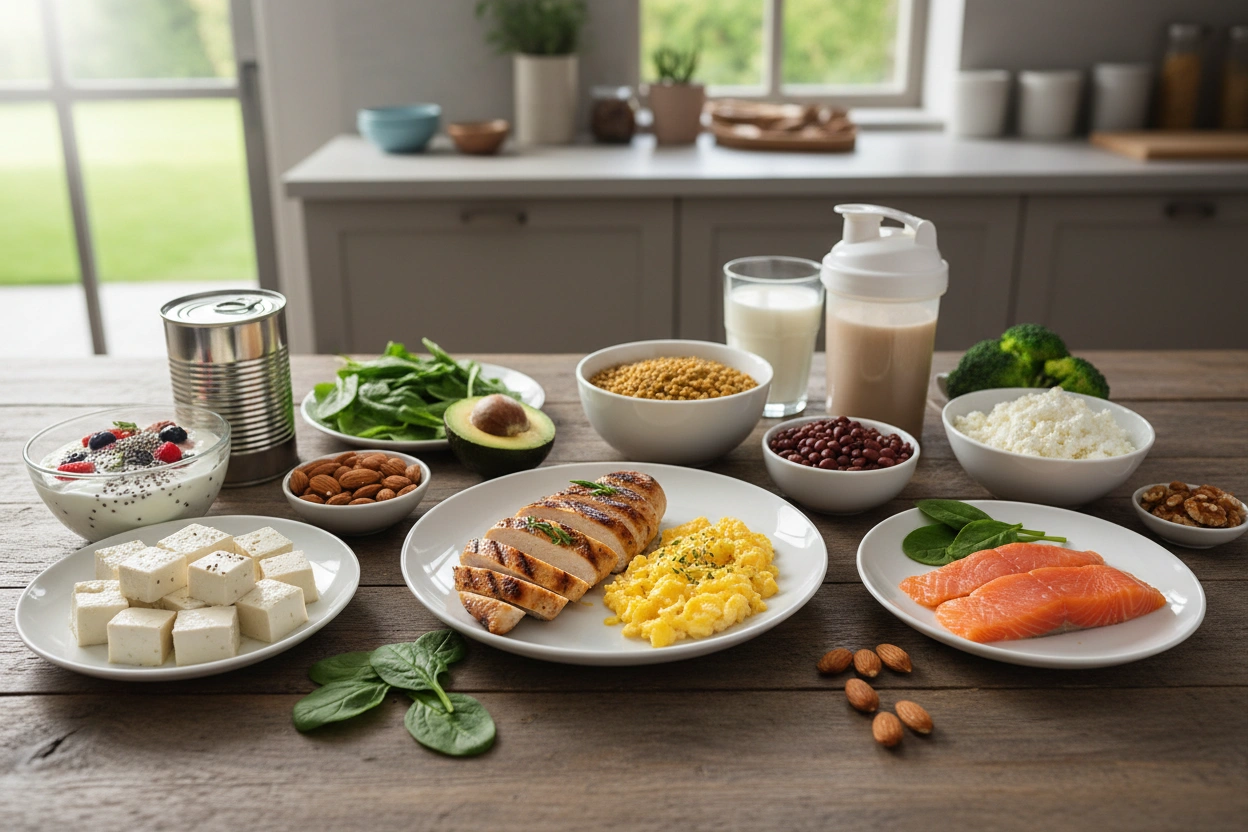
Now that we understand the importance of protein, it's time to explore practical strategies for ensuring you meet your daily protein requirements effectively.
1. Calculate Your Protein Needs
To effectively meet your daily protein needs, it is essential to start by calculating your protein needs. This can vary based on your weight, activity level, and weight loss goals.
- Determine your weight in kilograms (if you only know your weight in pounds, divide by 2.2).
- Multiply your weight by the recommended protein intake range (1.6 to 2.2 grams per kilogram for active individuals).
- This will give you a target range for daily protein intake.
2. Diversify Your Protein Sources
A varied diet not only enhances nutritional value but also keeps meals interesting. Incorporate different protein sources into your diet to ensure you get a full range of amino acids and other nutrients.
- Animal-based proteins: chicken, turkey, fish, eggs, dairy products
- Plant-based proteins: beans, lentils, chickpeas, quinoa, nuts, seeds
- Consider incorporating protein-rich snacks like cottage cheese, hard-boiled eggs, or protein bars to help meet your needs throughout the day.
3. Meal Planning for Protein
Planning meals ahead of time can be an effective strategy for ensuring you meet your protein goals. By preparing meals in advance, you can control portion sizes and ensure that each meal contains sufficient protein.
- Create a weekly meal plan that includes a variety of protein sources.
- Prepare protein-rich snacks to have on hand, such as protein shakes, Greek yogurt, or mixed nuts, to avoid the temptation of low-protein convenience foods.
4. Monitor Your Intake
Tracking your protein intake can help you stay accountable and ensure you are meeting your daily goals. Use a food diary or a nutrition tracking app to monitor your protein consumption.
- Log everything you eat to identify whether you meet your protein needs.
- Adjust your meals and snacks based on your findings to ensure you stay on track.
Common Misconceptions About Protein Intake

As with any dietary component, there are several misconceptions surrounding protein intake that can lead to mistakes in planning and consumption.
1. Higher Protein Equals Better Results
While protein is essential for weight loss and muscle maintenance, it is crucial to understand that more protein is not always better. Excessive protein intake can lead to unnecessary calorie consumption and may strain the kidneys over time, especially in individuals with pre-existing kidney issues.
- Focus on meeting your calculated protein needs rather than exceeding them. Balance is key in any diet.
2. Plant-Based Proteins Are Inferior
Some people believe that plant-based proteins do not provide the same quality as animal-based proteins. However, when combined correctly, plant-based proteins can provide all essential amino acids.
- Combine different plant-based protein sources, such as rice and beans or hummus and whole-grain pita, to create complete protein profiles.
3. Protein Supplements Are Necessary
Many individuals think they need protein supplements to meet their daily protein needs. However, most people can achieve their protein requirements through whole foods alone.
- Use supplements only as a convenient option when you cannot meet your protein needs through food. Focus on incorporating whole foods into your diet first.
The Intersection of Protein and Weight Loss with FlowWell
Understanding the role of protein in weight loss can empower you to make informed dietary choices. By focusing on protein intake, you can enhance muscle preservation, increase satiety, and boost your metabolic rate. These factors work together to create a conducive environment for effective weight loss.
FlowWell — Finally Feel Good on Your GLP provides resources to help you integrate effective protein strategies into your daily routine. With insights into meal planning, tracking your intake, and understanding the nuances of protein, you can optimize your diet for weight loss success.
By leveraging the power of protein, you can take significant strides toward achieving your weight loss objectives while maintaining your overall health. Contact FlowWell — Finally Feel Good on Your GLP today to learn more about effective dietary strategies and support your weight loss journey.
Managing GLP-1 side effects? Our articles can help.
Evidence-based articles written for real patients — covering constipation relief, fiber intake, medication adherence, and more.