How to Relieve GLP-1 Side Effects for Better Digestive Comfort
Discover effective strategies to relieve GLP-1 side effects and improve your digestive comfort. Learn how to manage gastrointestinal issues today.
How to Relieve GLP-1 Side Effects for Better Digestive Comfort
The increasing prevalence of obesity and related metabolic disorders has led to a surge in the use of GLP-1 medications. These drugs, primarily designed to enhance insulin secretion and decrease appetite, are effective in managing weight and diabetes. However, many users experience gastrointestinal side effects, notably constipation, which can significantly impact overall digestive comfort. Understanding how to relieve GLP-1 side effects is crucial for maintaining a quality lifestyle while undergoing treatment. This article aims to provide comprehensive insights and actionable strategies for managing these side effects effectively.
Understanding GLP-1 Medications and Their Side Effects
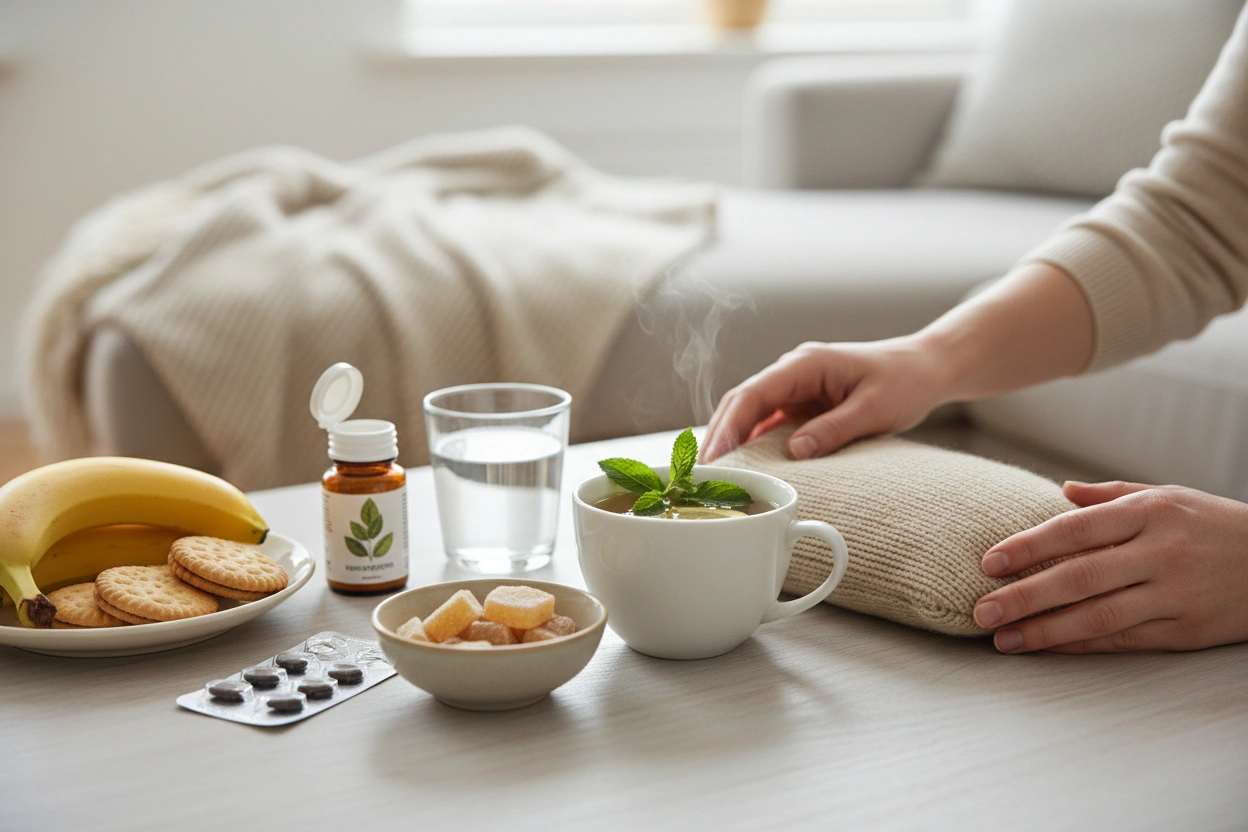
What are GLP-1 Medications?
GLP-1 medications, or glucagon-like peptide-1 receptor agonists, are a class of drugs that mimic the effects of the GLP-1 hormone, which is involved in glucose metabolism. Commonly prescribed GLP-1 medications include semaglutide, liraglutide, and dulaglutide. These medications not only help in lowering blood sugar levels but also contribute to weight loss by promoting feelings of fullness.
While the benefits of GLP-1 medications are well-documented, their side effects can be challenging. The most commonly reported side effects include:
- Nausea
- Vomiting
- Diarrhea
- Constipation
- Abdominal pain
Among these, constipation is particularly concerning, as it can lead to discomfort and exacerbate other gastrointestinal issues.
The Mechanism Behind GLP-1 Side Effects
The side effects of GLP-1 medications often stem from their mechanism of action. By slowing gastric emptying and enhancing satiety, these drugs can lead to changes in bowel habits. The slowing down of the digestive process can result in stool becoming harder and more difficult to pass, thus leading to constipation.
Moreover, the hormonal changes induced by GLP-1 medications can affect gut motility. This alteration in gastrointestinal function is why many users experience discomfort. Recognizing these side effects is the first step toward effective management and relief.
Top Remedies for Managing Constipation from GLP-1 Medications
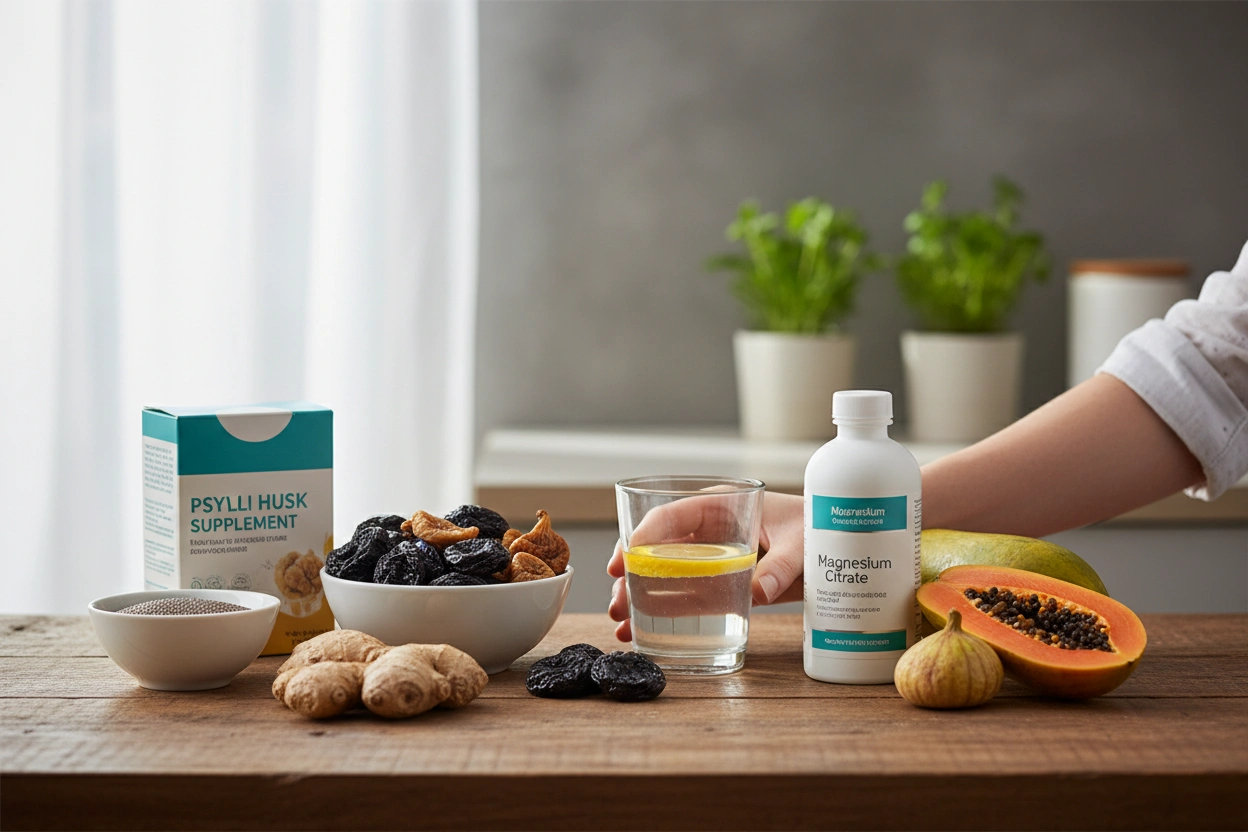
When dealing with GLP-1 side effects relief, particularly constipation, several strategies can be employed to alleviate discomfort. Here are the top remedies to consider:
1. Increase Dietary Fiber Intake
A high-fiber diet is essential for maintaining healthy digestion. Fiber adds bulk to the stool and helps it pass more easily through the intestines. Here are some effective ways to boost fiber intake:
- Incorporate more fruits and vegetables into your meals, focusing on those rich in soluble fiber, such as apples, pears, and carrots.
- Choose whole grains over refined grains. Foods like oatmeal, brown rice, and whole-grain bread are excellent sources of fiber.
- Add legumes, such as beans, lentils, and chickpeas, to salads and soups for an additional fiber boost.
2. Stay Hydrated
Proper hydration is critical for digestive health. Water helps soften stool, making it easier to pass. To ensure adequate hydration:
- Aim for at least eight 8-ounce glasses of water daily, adjusting based on activity level and climate.
- Include hydrating foods in your diet, such as cucumbers, watermelon, and oranges, which can contribute to overall fluid intake.
- Limit caffeinated and alcoholic beverages, as they can lead to dehydration.
3. Regular Physical Activity
Engaging in regular physical activity can stimulate intestinal motility, helping to relieve constipation. Here are some recommendations:
- Aim for at least 150 minutes of moderate aerobic activity per week, such as brisk walking, swimming, or cycling.
- Incorporate strength training exercises twice a week to enhance overall muscle function, including the muscles involved in digestion.
- Simple activities like walking after meals can promote gastrointestinal motility and aid digestion.
4. Consider Over-the-Counter Solutions
In some cases, over-the-counter remedies can provide additional relief. Options include:
- Fiber supplements, such as psyllium husk or methylcellulose, can help increase daily fiber intake if dietary changes are insufficient.
- Laxatives, such as polyethylene glycol or bisacodyl, can offer temporary relief from constipation. However, these should be used sparingly and under medical advice.
- Probiotics may also help restore gut health and improve bowel regularity, especially if gastrointestinal distress has been experienced.
5. Monitor Medication Timing and Dosage
Adjusting how and when medications are taken can also impact side effects. Consult with a healthcare provider about:
- Timing your GLP-1 medication to minimize gastrointestinal discomfort, such as taking it at night or with meals.
- Reviewing your dosage to ensure it is appropriate for your needs. Sometimes, a lower dose can reduce side effects while still providing therapeutic benefits.
6. Seek Professional Guidance
If constipation persists despite implementing these strategies, it is crucial to seek professional guidance. Healthcare providers can offer personalized advice and may consider alternative treatments or adjustments to your medication regimen.
- Schedule regular check-ups to monitor your health and medication effects.
- Discuss any new symptoms or concerns promptly to ensure timely intervention.
Common Misconceptions About GLP-1 Medications and Constipation
Understanding GLP-1 medications and their side effects can help dispel common misconceptions. Here are some key points to consider:
Misconception 1: All GLP-1 Users Will Experience Constipation
While many individuals report gastrointestinal side effects, not everyone will experience constipation. Factors such as diet, hydration, and individual response to the medication play a significant role.
Misconception 2: Fiber Supplements Alone Can Solve the Problem
While fiber is essential for digestive health, relying solely on supplements without making dietary changes may not be effective. A balanced approach that includes whole foods, hydration, and physical activity is crucial.
Misconception 3: GLP-1 Medications Are Not Safe for Long-Term Use
GLP-1 medications have been shown to be safe for long-term use in many patients. However, monitoring for side effects and adjusting treatment as necessary is essential for ongoing health.
The Role of FlowWell — Finally Feel Good on Your GLP
Incorporating strategies for GLP-1 side effects relief can significantly improve your digestive comfort. FlowWell — Finally Feel Good on Your GLP understands the challenges faced by individuals using GLP-1 medications. Our commitment to providing resources and support can help you navigate these side effects effectively.
Embracing a Holistic Approach to Digestive Health
At FlowWell — Finally Feel Good on Your GLP, we advocate for a holistic approach to managing GLP-1 side effects. By focusing on dietary changes, hydration, physical activity, and professional guidance, you can enhance your digestive comfort and overall well-being.
Take Action Today
If you're struggling with GLP-1 side effects, consider implementing these strategies and reaching out for support. For more information on how to manage your health effectively, visit FlowWell — Finally Feel Good on Your GLP. Our resources can help you find the relief you need while on your journey toward better health.