Hydration Hacks: GLP-1 Hydration and Fatigue Tips for Busy Lifestyles
Discover effective GLP-1 hydration and fatigue tips to boost your well-being in today's fast-paced world. Stay hydrated and energized!
Hydration Hacks: GLP-1 Hydration and Fatigue Tips for Busy Lifestyles
In today's fast-paced world, maintaining optimal hydration is more crucial than ever, especially for those navigating busy lifestyles. The rise of GLP-1 medications, primarily used for weight management and diabetes, has introduced new conversations around hydration and fatigue. This article delves into effective GLP-1 hydration and fatigue tips, exploring how these strategies can enhance your well-being and productivity.
Understanding GLP-1 and Its Impact on Hydration
What is GLP-1?
Glucagon-like peptide-1 (GLP-1) is a hormone produced in the intestines that plays a significant role in glucose metabolism and appetite regulation. In recent years, GLP-1 receptor agonists have gained popularity as treatments for obesity and type 2 diabetes. These medications not only help in weight loss but also influence how the body processes hydration. Understanding this connection is essential for anyone using GLP-1 medications.
The Relationship Between GLP-1 and Hydration
As GLP-1 medications can impact digestive processes, they may also affect hydration levels. Patients often report increased gastrointestinal side effects, including nausea and constipation, which can further complicate hydration efforts. Being aware of how GLP-1 affects your body can lead to better hydration practices that combat fatigue and enhance overall health.
Practical GLP-1 Hydration and Fatigue Tips
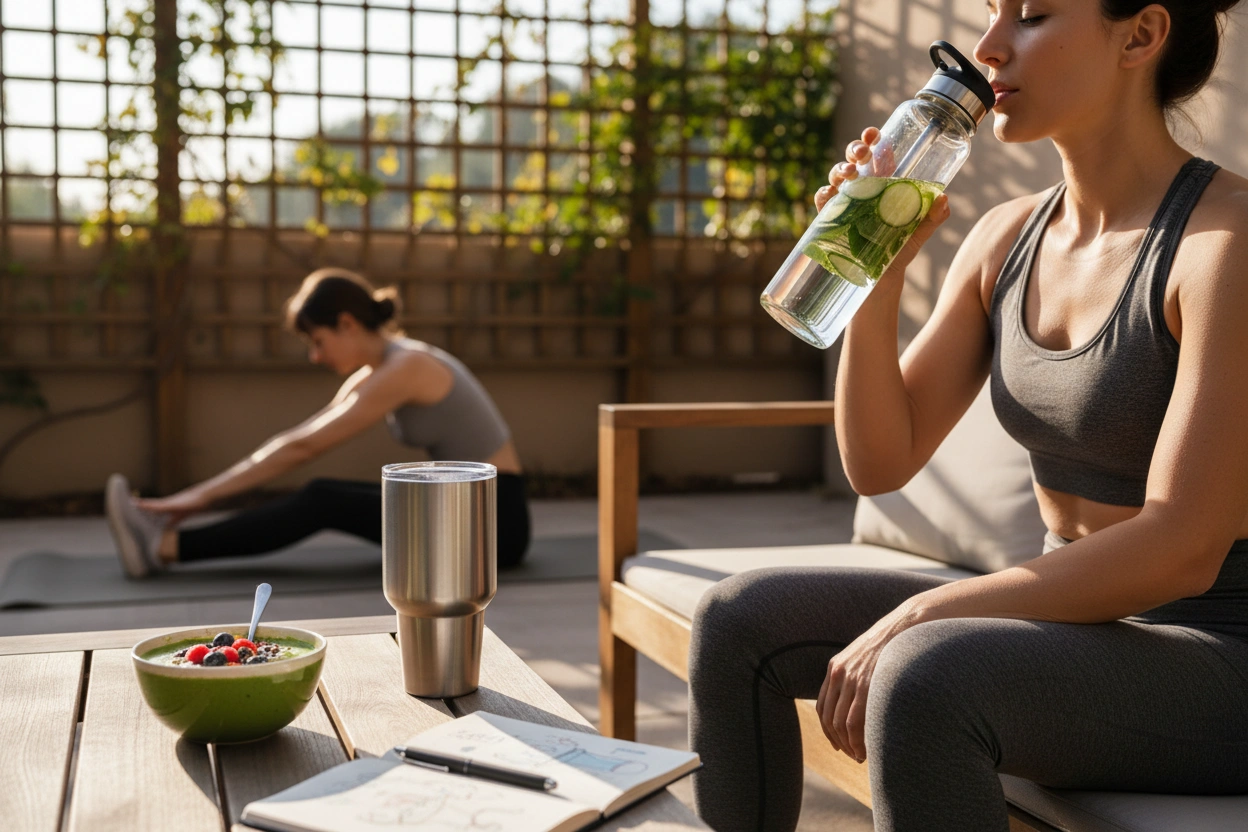
Maintaining proper hydration while on GLP-1 medications can be challenging but is vital for energy levels and overall health. Here are several actionable tips to help you stay hydrated and reduce fatigue.
1. Prioritize Water Intake
Hydration starts with adequate water consumption. For individuals on GLP-1 therapy, it is essential to increase water intake, especially if experiencing gastrointestinal side effects.
- Aim for at least 8-10 cups of water daily.
- Consider carrying a reusable water bottle to track your intake throughout the day.
- Infuse water with fruits or herbs for added flavor without added sugars.
2. Incorporate Hydrating Foods
Another effective strategy is to consume foods that are high in water content. These not only contribute to hydration but also provide essential nutrients.
- Watermelon, cucumbers, and oranges are excellent choices.
- Soups and broths can also boost hydration levels while being gentle on the stomach.
- Salads with leafy greens can add both hydration and fiber, which aids digestion.
3. Monitor Electrolyte Balance
Electrolytes play a crucial role in hydration. Maintaining a proper balance can help prevent fatigue and ensure optimal body function. Monitor electrolyte balance.
- Include foods rich in potassium, sodium, and magnesium, such as bananas, spinach, and nuts.
- Consider electrolyte drinks, especially after physical activity or during hot weather, but be cautious of those high in sugar.
- Always check with a healthcare professional before making significant dietary changes.
4. Establish a Hydration Schedule
Creating a routine can help ensure you are consistently hydrating throughout the day.
- Set reminders on your phone to take hydration breaks.
- Pair water intake with daily activities, such as drinking a glass of water before each meal.
- Use apps that track your water consumption to stay accountable.
5. Recognize Signs of Dehydration
Being aware of dehydration symptoms is crucial, especially when on GLP-1 medications. Common signs include: Recognizing signs of dehydration.
- Dry mouth and thirst
- Fatigue and dizziness
- Dark yellow urine
Recognizing these signs early can help you take immediate action to rehydrate effectively.
Overcoming Constipation with GLP-1: Effective Hydration Methods
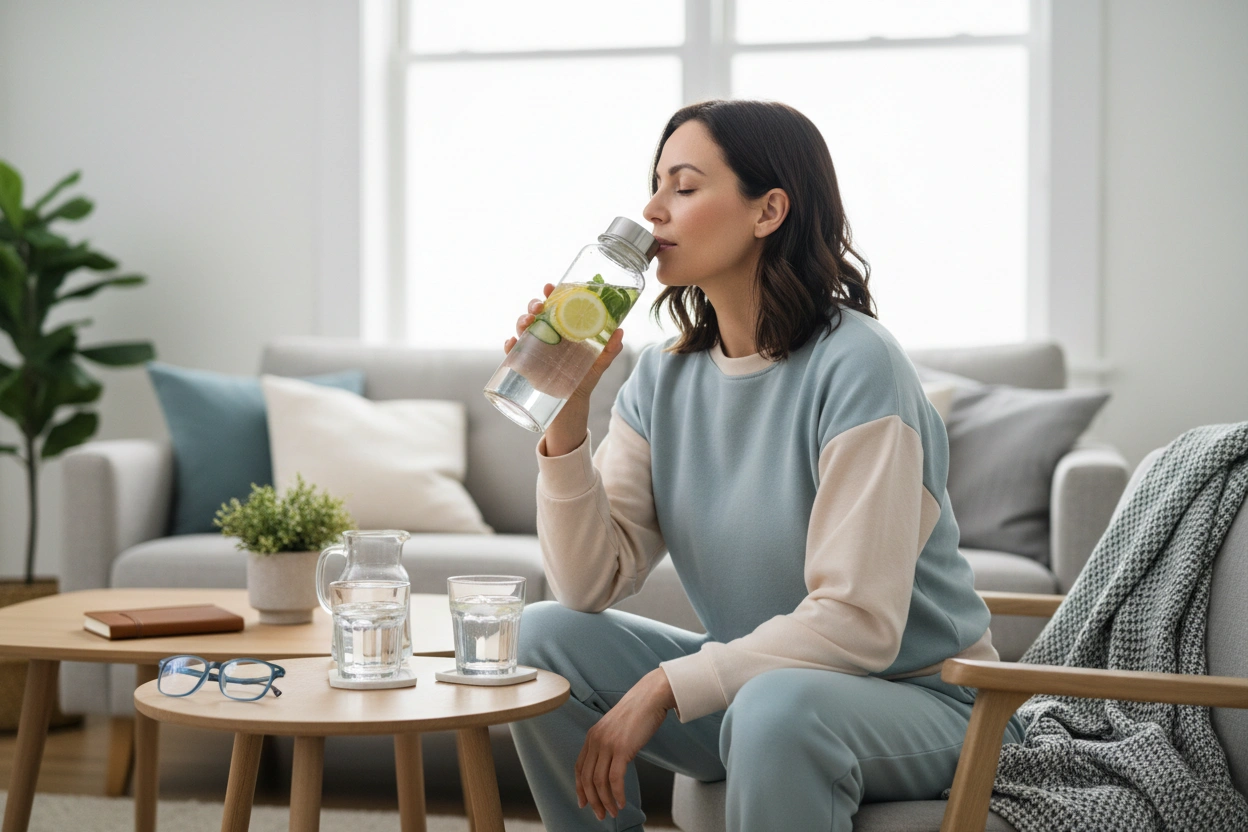
Constipation is a common side effect for individuals taking GLP-1 medications, making hydration even more critical. Overcoming constipation with GLP-1 is essential.
Importance of Fiber and Hydration
Incorporating fiber into your diet is essential for digestive health. When combined with adequate hydration, fiber can help prevent and alleviate constipation.
- Gradually increase fiber intake through fruits, vegetables, whole grains, and legumes.
- Drink plenty of water to help fiber do its job; aim for at least 1.5 to 2 liters daily.
- Consider fiber supplements if dietary sources are insufficient, but consult with a healthcare provider first.
Herbal Teas and Natural Remedies
Certain herbal teas and natural remedies can aid digestion and promote hydration simultaneously. Effective hydration methods can also be beneficial.
- Peppermint and ginger tea can soothe the digestive system and may alleviate nausea associated with GLP-1 medications.
- Dandelion tea can act as a mild diuretic, promoting hydration and supporting liver function.
- Always ensure any herbal remedies are safe to combine with your GLP-1 medication.
The Role of Probiotics
Probiotics can support gut health and may alleviate constipation issues related to GLP-1 therapy.
- Incorporate probiotic-rich foods such as yogurt, kefir, and fermented vegetables into your diet.
- Probiotic supplements can also be beneficial; consult your healthcare provider for recommendations.
- A healthy gut microbiome can improve digestion and enhance hydration absorption.
Common Misconceptions About Hydration and GLP-1 Medications
Despite the growing awareness of GLP-1 medications, several misconceptions persist regarding hydration and overall health. Addressing these can empower individuals to make informed decisions.
Misconception: "Drinking Less Water is Okay"
Many believe that drinking less water is acceptable as long as they consume hydrating foods. While foods can contribute to hydration, they should not replace adequate water intake. Water is essential for numerous bodily functions, including temperature regulation and nutrient transportation.
Misconception: "All Hydration Sources are Equal"
Not all beverages contribute equally to hydration. For example, caffeinated drinks can act as diuretics, potentially leading to dehydration. Alcohol also has dehydrating effects. It's essential to prioritize water and electrolyte-rich beverages for optimal hydration.
Misconception: "Only Thirst Indicates Need for Hydration"
Thirst is not always a reliable indicator of hydration needs. Many individuals may not feel thirsty until they are already dehydrated. Regularly scheduling hydration breaks can help prevent this issue.
The Intersection of Hydration, Fatigue, and GLP-1
Understanding the connection between hydration, fatigue, and GLP-1 medications is crucial for those seeking to optimize their health. By incorporating the tips discussed in this article, individuals can enhance their hydration practices and combat fatigue effectively.
FlowWell — Finally Feel Good on Your GLP offers resources and support for those navigating the complexities of GLP-1 medications and hydration. By focusing on hydration hacks, you can improve your energy levels and overall well-being. Personalized guidance on hydration can help you implement effective hydration strategies tailored to your lifestyle.
Call to Action
For more personalized guidance on hydration and managing the effects of GLP-1 medications, contact FlowWell — Finally Feel Good on Your GLP. Together, we can help you implement effective hydration strategies tailored to your lifestyle.