Hydration Hacks: How to Stop GLP1 Constipation and Boost Relief
Discover effective hydration hacks to stop GLP-1 constipation and boost relief for a balanced lifestyle while on medication.
Hydration Hacks: How to Stop GLP-1 Constipation and Boost Relief
Constipation is a common side effect of GLP-1 medications, which are often prescribed for weight management and diabetes control. These medications can significantly improve metabolic health, but they can also lead to discomfort and digestive issues. Understanding how to stop GLP1 constipation is crucial for maintaining a balanced lifestyle while on these drugs. This article will explore effective hydration hacks and strategies to manage constipation, enhancing your overall well-being.
Understanding GLP-1 Medications and Their Side Effects
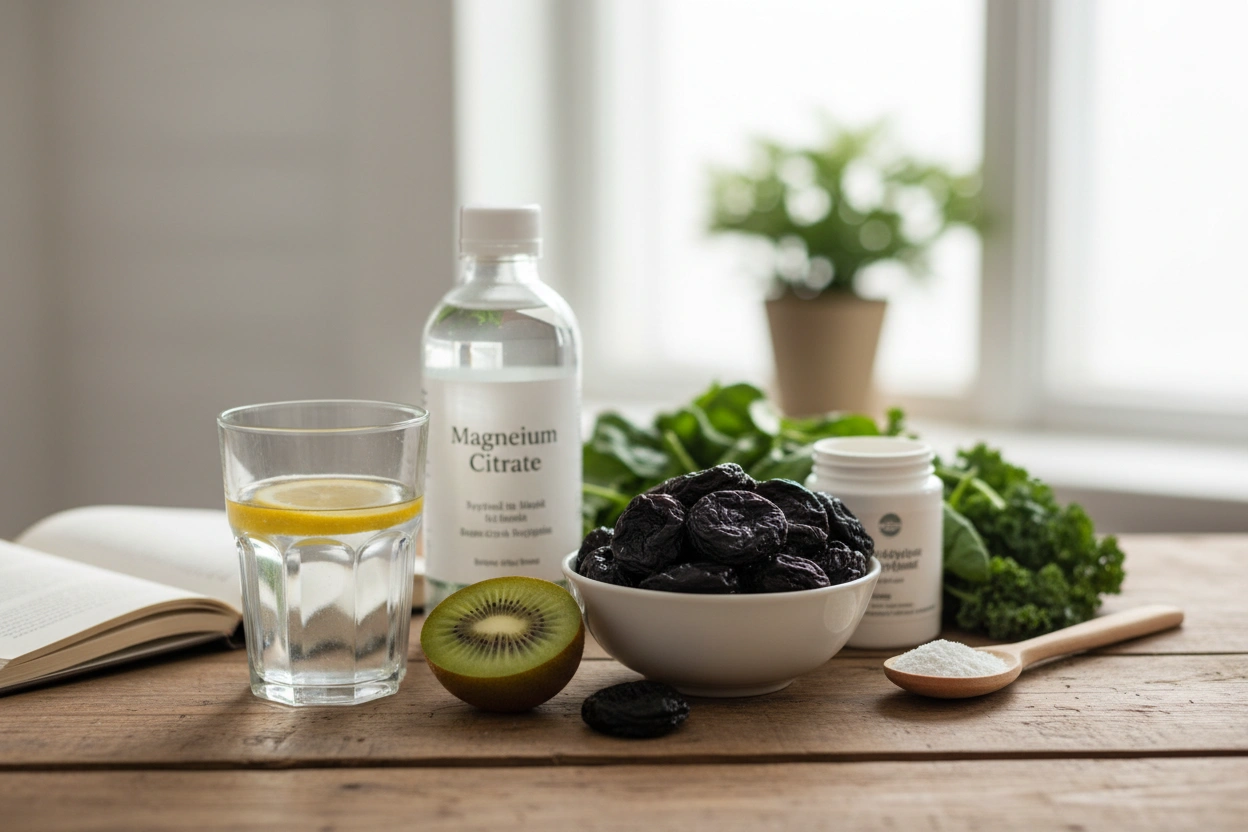
What Are GLP-1 Medications?
GLP-1 (glucagon-like peptide-1) medications are a class of drugs that mimic the effects of the hormone GLP-1. They are primarily used for treating type 2 diabetes and obesity. By enhancing insulin secretion, reducing appetite, and slowing gastric emptying, these medications help regulate blood sugar levels and promote weight loss.
Common Side Effects of GLP-1 Medications
While GLP-1 medications can provide significant health benefits, they also come with a range of side effects, including:
- Nausea
- Vomiting
- Diarrhea
- Constipation
Among these, constipation is particularly troubling for many patients. The mechanism behind this side effect often relates to the slowing of gastric emptying, leading to a backlog in the digestive system. Understanding how to stop GLP-1 constipation can help mitigate these effects.
Hydration Hacks to Alleviate Constipation
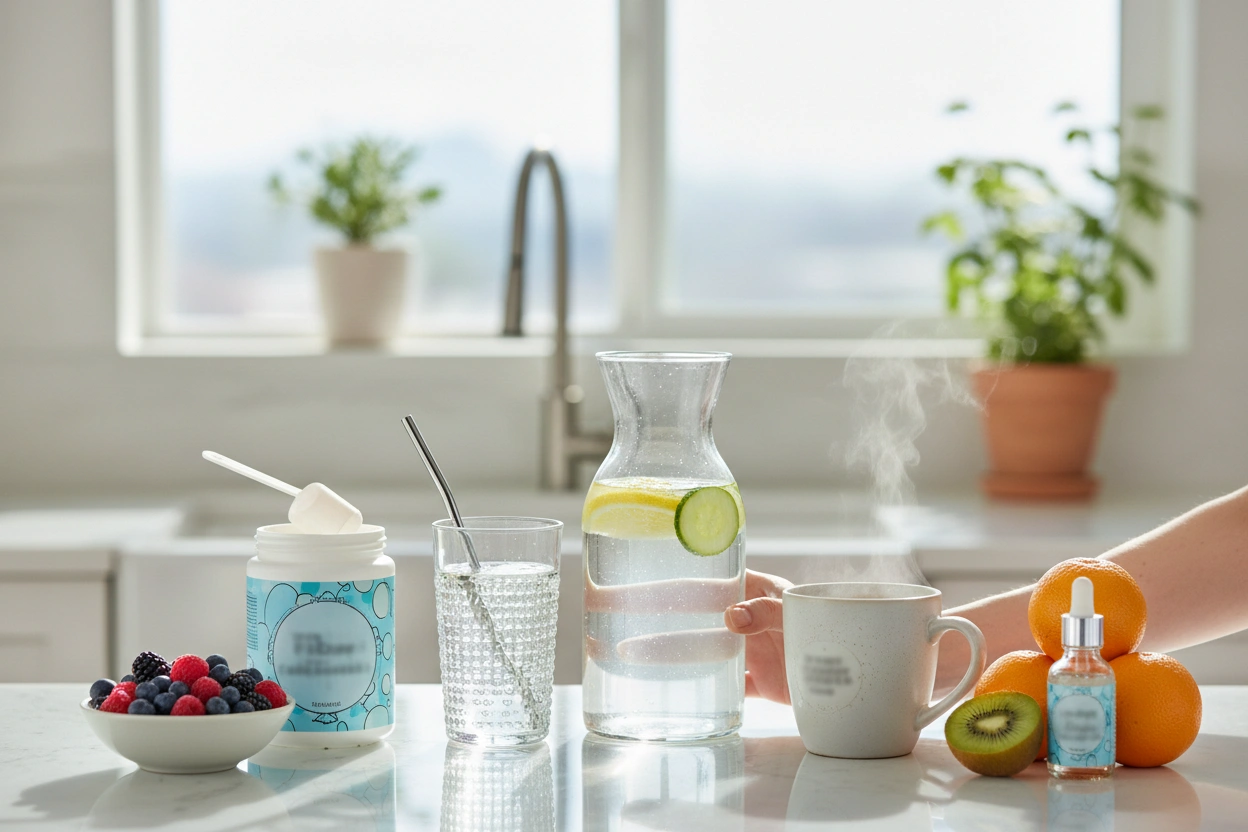
The Role of Hydration in Digestive Health
Proper hydration is essential for maintaining optimal digestive function. Water helps to soften stools, making them easier to pass. When on GLP-1 medications, it's even more critical to monitor fluid intake as these drugs can impact hydration levels.
Effective Hydration Strategies
Increase Water Intake
Aim for at least eight 8-ounce glasses of water daily, or more if you are active or live in a hot climate. Hydration can help prevent the hardening of stool and facilitate easier bowel movements.Incorporate Hydrating Foods
Many fruits and vegetables have high water content and can contribute to your daily hydration goals. Include:- Cucumbers
- Watermelon
- Strawberries
Limit Caffeine and Alcohol
Both caffeine and alcohol can dehydrate the body. While moderate consumption is generally fine, excessive intake can exacerbate constipation, particularly when on GLP-1 medications.Use Electrolyte Solutions
If you find it challenging to drink plain water, consider electrolyte solutions or flavored waters that can encourage you to stay hydrated without adding sugar.Establish a Routine
Set specific times throughout the day to drink water. This can help ensure you meet your hydration goals, especially in the morning after waking up and before bed.
Dietary Adjustments to Complement Hydration
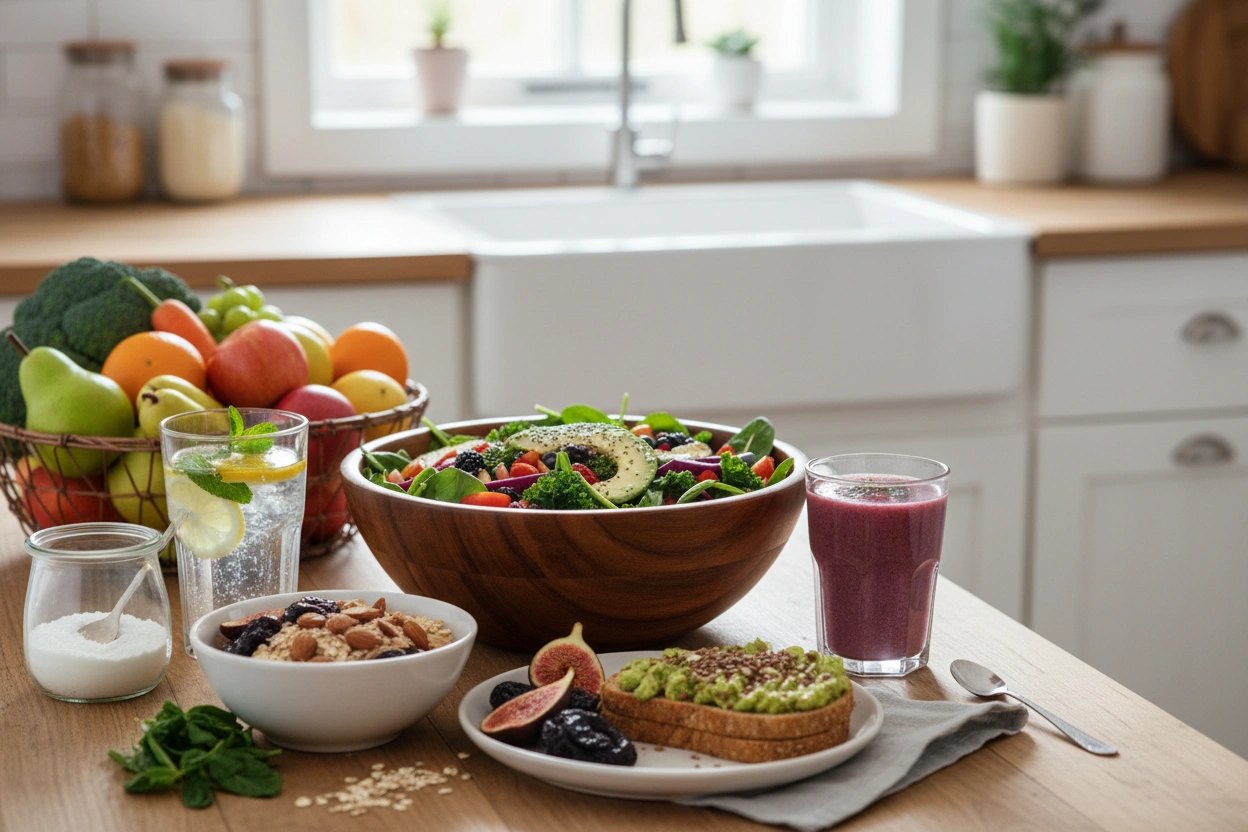
Fiber-Rich Foods to Promote Regularity
In addition to hydration, dietary adjustments can greatly influence bowel regularity. Fiber plays a vital role in digestive health, especially for those experiencing GLP-1 constipation. Here are some fiber-rich foods to include in your diet:
- Whole grains (oats, brown rice, whole wheat bread)
- Fruits (apples, bananas, berries)
- Vegetables (broccoli, carrots, leafy greens)
- Legumes (beans, lentils, chickpeas)
Incorporating these foods into your meals can help create a more conducive environment for digestive health.
Balancing Fiber Intake
While increasing fiber is beneficial, it’s important to do so gradually to prevent bloating and discomfort. Strive to increase your daily fiber intake by about 5 grams per week until you reach the recommended daily intake of 25-30 grams.
Lifestyle Changes to Combat Constipation
Regular Physical Activity
Engaging in regular physical activity can significantly impact digestive health. Exercise stimulates intestinal function and can help alleviate constipation. Aim for at least 150 minutes of moderate aerobic activity each week, such as brisk walking, cycling, or swimming.
Stress Management Techniques
Stress can disrupt digestive processes and exacerbate constipation. Consider incorporating stress management techniques into your daily routine, such as:
- Yoga
- Meditation
- Deep-breathing exercises
These practices can help promote relaxation and improve gut health. Patient experiences can provide insight into how others manage these challenges.
Common Mistakes to Avoid
Neglecting Hydration
One of the most common mistakes individuals make while on GLP-1 medications is neglecting hydration. It’s easy to forget to drink enough water, especially if you’re busy. Set reminders or keep a water bottle with you to ensure you stay hydrated throughout the day.
Sudden Dietary Changes
Another common pitfall is making drastic changes to your diet overnight. Gradually introducing fiber-rich foods while maintaining hydration can help your digestive system adjust without causing additional discomfort.
Overlooking Medical Advice
Always consult with your healthcare provider about any side effects you experience while on GLP-1 medications. They can provide tailored advice and may suggest adjusting your medication or dosage if constipation becomes a persistent issue.
The Intersection of Hydration and GLP-1 Constipation Relief
Staying hydrated is a key component in understanding how to stop GLP-1 constipation. By implementing hydration hacks, dietary adjustments, and lifestyle changes, you can effectively manage this common side effect.
FlowWell — Finally Feel Good on Your GLP
Hydration and proper nutrition are integral to feeling your best while on GLP-1 medications. FlowWell — Finally Feel Good on Your GLP can provide you with the resources and support needed to navigate these changes effectively.
For personalized support and strategies tailored to your specific needs, visit FlowWell — Finally Feel Good on Your GLP. Empower yourself with the knowledge and tools to alleviate constipation and enhance your overall well-being.