Long-Term Effects of GLP-1 Medications: What to Expect
Discover the long-term effects of GLP-1 medications on weight loss and diabetes management. Essential insights for patients and healthcare providers.
Long-Term Effects of GLP-1 Medications: What to Expect
In recent years, GLP-1 medications have gained significant attention for their role in managing weight and treating type 2 diabetes. These medications, which mimic the effects of the glucagon-like peptide-1 hormone, have been shown to promote weight loss and improve glycemic control. As the popularity of GLP-1 medications continues to rise, understanding their long-term effects becomes crucial for patients and healthcare providers alike. This article delves into the mechanisms of GLP-1 medications, their potential long-term impacts, and practical strategies for maximizing their benefits.
Understanding GLP-1 Mechanisms
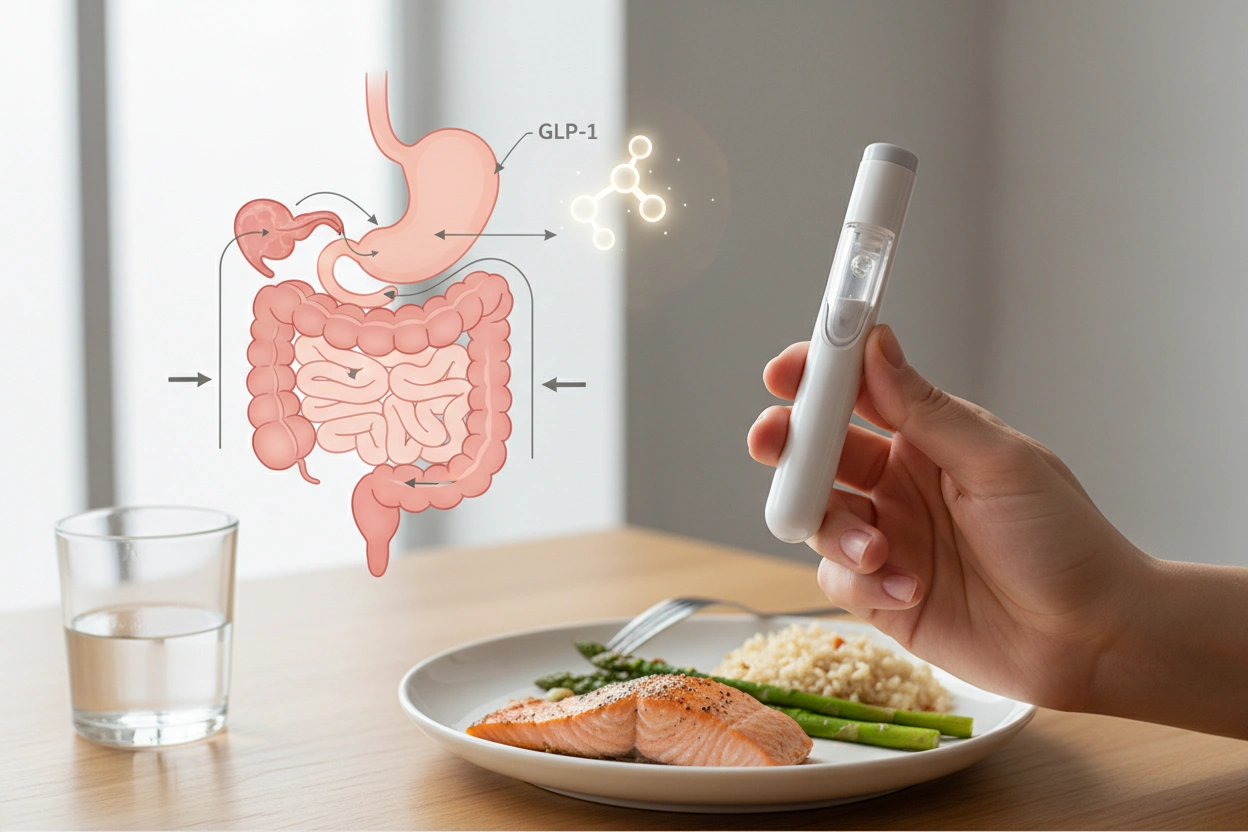
GLP-1 medications operate through several biological pathways that contribute to their therapeutic effects. By mimicking the natural GLP-1 hormone, these drugs enhance insulin secretion in response to meals, reduce glucagon secretion, and slow gastric emptying. This multi-faceted approach helps regulate blood sugar levels while also promoting satiety, making it easier for individuals to manage their weight.
The Role of GLP-1 in Appetite Regulation
One of the primary functions of GLP-1 is its ability to suppress appetite. By acting on the brain's appetite control centers, GLP-1 medications can lead to significant reductions in caloric intake. This mechanism is particularly beneficial for individuals struggling with obesity, as it helps curb cravings and promotes a feeling of fullness.
- In clinical studies, patients using GLP-1 medications have reported decreased hunger and fewer food cravings.
- This appetite regulation can lead to sustained weight loss when combined with lifestyle changes.
Impact on Insulin and Glucagon Secretion
GLP-1 medications enhance insulin secretion from the pancreas while simultaneously inhibiting glucagon, a hormone that raises blood glucose levels. This dual action is vital for maintaining stable blood sugar levels, particularly after meals.
- Improved insulin sensitivity can lead to better glycemic control for individuals with type 2 diabetes.
- Over time, consistent use of GLP-1 medications may reduce the risk of diabetes-related complications.
Effects on Gastric Emptying
Another significant mechanism of GLP-1 medications is their ability to slow gastric emptying. This delay allows for a more gradual absorption of nutrients, which can prevent spikes in blood sugar levels.
- Slower gastric emptying contributes to prolonged feelings of satiety, making it easier to adhere to dietary plans.
- This effect can also help reduce postprandial blood sugar levels, further benefiting individuals with diabetes.
Long-Term Effects of GLP-1 Medications

While the short-term benefits of GLP-1 medications are well-documented, understanding their long-term effects is essential for patients considering these treatments. Research indicates several potential outcomes associated with prolonged use.
Weight Management and Maintenance
One of the most significant long-term benefits of GLP-1 medications is their potential for effective weight management. Studies have shown that individuals who maintain treatment can sustain weight loss over extended periods.
- Regular follow-ups and adjustments to treatment can enhance weight maintenance.
- Integrating lifestyle changes, such as diet and exercise, alongside GLP-1 medication can lead to better outcomes.
Cardiovascular Benefits
Emerging research suggests that GLP-1 medications may offer cardiovascular protection. Individuals with type 2 diabetes are at a higher risk for cardiovascular diseases, and GLP-1 medications may mitigate this risk.
- Clinical trials have indicated a reduction in major adverse cardiovascular events among patients using GLP-1 medications.
- The potential protective effects can be attributed to improvements in weight, blood pressure, and lipid profiles.
Risk of Gastrointestinal Side Effects
Despite their benefits, long-term use of GLP-1 medications may lead to gastrointestinal side effects, such as nausea, vomiting, and diarrhea. These effects are typically more pronounced during the initial phase of treatment but can persist in some individuals.
- Patients should be monitored for these side effects, and dosage adjustments may be necessary to improve tolerability.
- Understanding these potential side effects can help patients manage expectations and enhance adherence to treatment.
Potential for Pancreatic Concerns
There have been concerns regarding the long-term safety of GLP-1 medications concerning pancreatic health. Some studies have suggested a potential link between GLP-1 therapy and pancreatitis or pancreatic cancer, although the evidence remains inconclusive.
- Ongoing research is needed to clarify these risks and establish long-term safety profiles.
- Patients should be aware of symptoms of pancreatitis and report any unusual abdominal pain to their healthcare provider.
Wegovy Weight Loss Tips

For those considering or currently using GLP-1 medications like Wegovy for weight loss, specific strategies can enhance their effectiveness and ensure a more successful weight loss journey.
Establish Realistic Goals
Setting achievable weight loss goals is crucial for long-term success. Instead of aiming for rapid weight loss, focus on gradual changes that can be maintained over time.
- Set specific, measurable goals (e.g., losing 1-2 pounds per week).
- Adjust expectations based on personal progress and challenges.
Combine Medication with Lifestyle Changes
GLP-1 medications are most effective when combined with lifestyle modifications. Focus on creating a balanced diet and incorporating regular physical activity.
- Choose nutrient-dense foods and practice portion control.
- Aim for at least 150 minutes of moderate-intensity exercise per week.
Monitor Progress Regularly
Tracking progress is essential for staying motivated and making necessary adjustments to your weight loss strategy.
- Keep a food diary to log meals, snacks, and physical activity.
- Regularly review weight and body measurements to assess progress.
Seek Support
Engaging with healthcare providers, nutritionists, or support groups can provide motivation and accountability.
- Consider joining a weight loss support group for shared experiences and encouragement.
- Regular check-ins with healthcare professionals can help fine-tune your treatment plan.
Common Misconceptions About GLP-1 Medications
As GLP-1 medications become more mainstream, several misconceptions have emerged that can mislead patients and affect their treatment adherence.
Misconception: GLP-1 Medications Are a Quick Fix
One common misconception is that GLP-1 medications will lead to immediate weight loss without the need for lifestyle changes. In reality, while these medications can significantly aid in weight loss, they are most effective when paired with a healthy diet and exercise.
- Educating patients on the importance of a holistic approach to weight management is vital for long-term success.
Misconception: All Patients Experience the Same Results
Another misconception is that all patients will experience the same level of effectiveness from GLP-1 medications. Individual responses can vary based on several factors, including genetics, lifestyle, and adherence to the treatment plan.
- Personalized treatment plans can help address individual needs and optimize outcomes.
Misconception: GLP-1 Medications Are Only for Diabetes Patients
While GLP-1 medications are primarily prescribed for type 2 diabetes management, they are increasingly recognized for their benefits in weight management for non-diabetic individuals.
- Patients should consult with healthcare providers to discuss the potential benefits of GLP-1 medications for weight management.
The Intersection of GLP-1 Medications and Long-Term Health
As we explore the long-term effects of GLP-1 medications, it becomes clear that they offer significant benefits for weight management and glycemic control. However, understanding the potential risks and misconceptions surrounding these treatments is essential for maximizing their effectiveness. By combining GLP-1 medications with lifestyle changes, individuals can achieve sustainable weight loss and improve their overall health.
FlowWell — Finally Feel Good on Your GLP offers guidance and support for individuals navigating their GLP-1 medication journey. With a focus on empowering patients through education and practical strategies, FlowWell is committed to helping you achieve your health goals. For those interested in learning more about how GLP-1 medications can fit into your health strategy, visit FlowWell — Finally Feel Good on Your GLP for resources and support tailored to your needs. Whether you're just starting or looking to enhance your existing regimen, FlowWell is here to help you on your path to wellness.