Plant-Based Protein Picks: Best Options for Lean Diets
Discover the best plant-based protein sources for a lean diet. Boost your nutrition without excess calories with these healthy picks.
Plant-Based Protein Picks: Best Options for Lean Diets
In the quest for a healthier lifestyle, protein plays a crucial role, especially for those looking to maintain a lean diet. With the increasing popularity of plant-based diets, understanding which protein sources can provide the necessary nutrients without excess calories is essential. In 2026, the focus on high protein foods has led many to seek alternatives to traditional meat sources, making plant-based proteins more relevant than ever. This article will explore the best plant-based protein options available, how to incorporate more protein into your daily diet, and the benefits of these high protein foods for a leaner physique.
The Importance of Protein in a Lean Diet
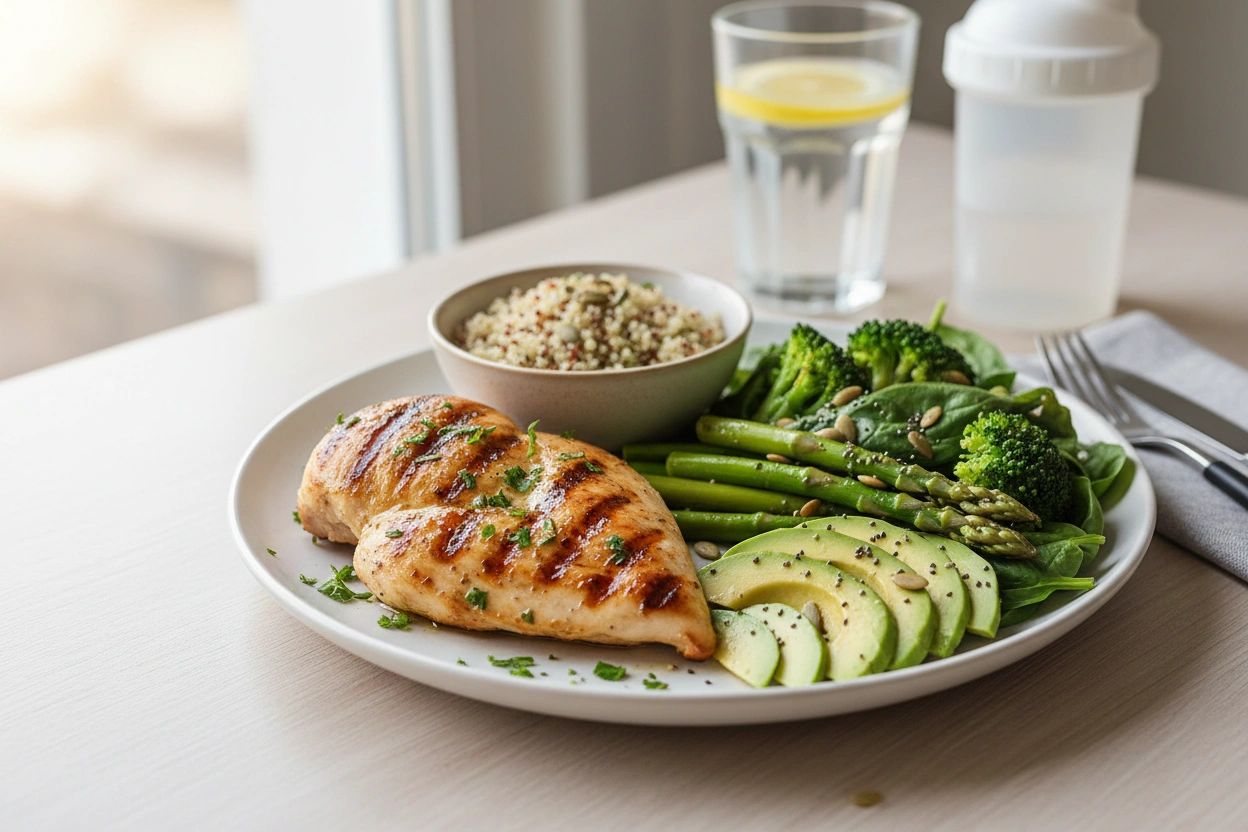
Protein is a vital macronutrient that serves as the building block for muscles, tissues, and enzymes. It plays a significant role in various bodily functions, including hormone production and immune response. For those pursuing a lean diet, adequate protein intake is crucial for muscle preservation, especially during weight loss. Additionally, high protein foods can enhance satiety, helping to curb hunger and reduce overall calorie intake.
Research indicates that diets higher in protein can help maintain muscle mass while promoting fat loss. This is particularly important for individuals over the age of 30, where muscle mass tends to decline naturally. Incorporating sufficient protein into your diet can combat this decline, making it essential for both weight management and overall health.
Understanding Protein Requirements
The recommended dietary allowance for protein varies based on age, sex, and activity level. Generally, adults should aim for about 0.8 grams of protein per kilogram of body weight. However, those engaged in regular exercise or strength training may benefit from higher intakes, ranging from 1.2 to 2.0 grams per kilogram. It's important to assess your personal needs and adjust your protein intake accordingly, particularly if you're aiming for weight loss or muscle gain.
Top Plant-Based Protein Sources
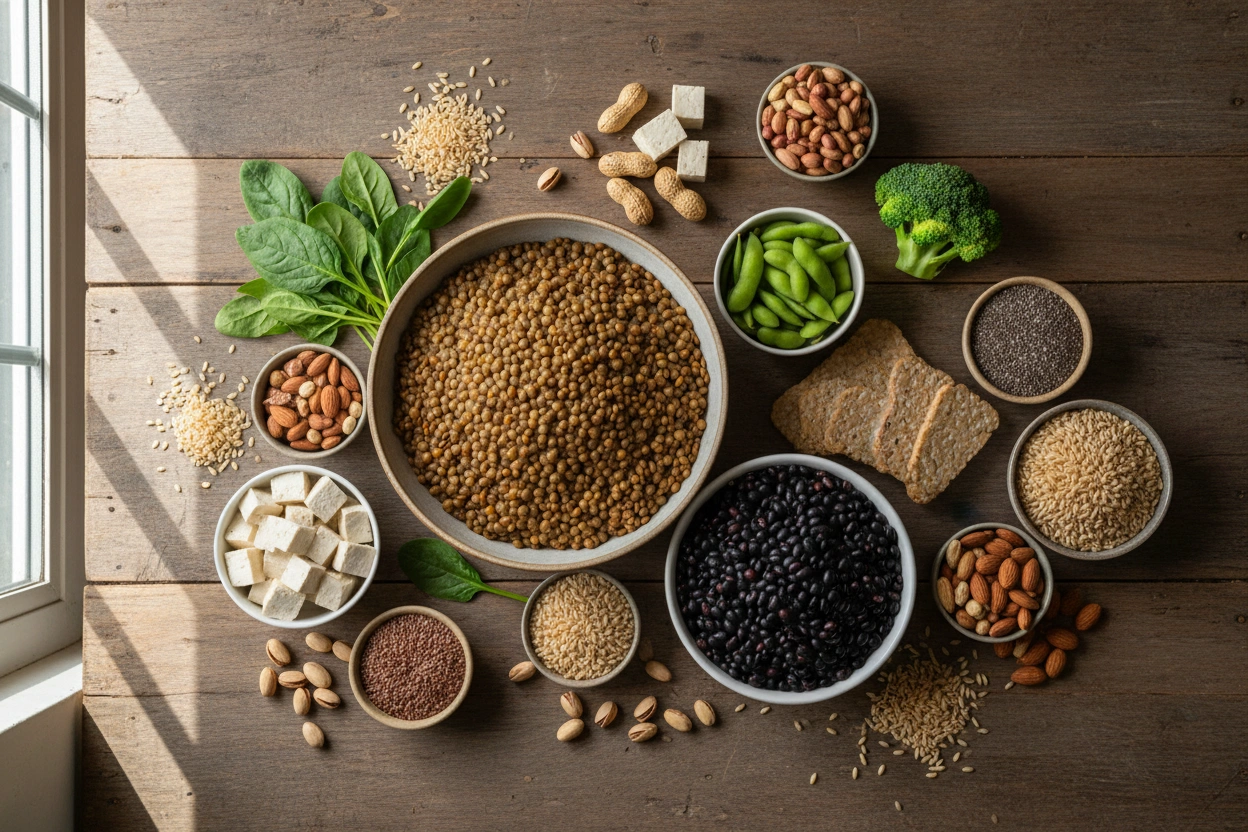
When transitioning to a plant-based diet, it's vital to identify high protein foods that can help meet your nutritional needs. Below are some of the best plant-based protein sources to consider:
Lentils
Lentils are a powerhouse of protein, offering about 18 grams of protein per cooked cup. They are also rich in fiber, which aids digestion and promotes fullness. Incorporating lentils into soups, stews, or salads can boost your protein intake significantly.Chickpeas
Also known as garbanzo beans, chickpeas provide approximately 15 grams of protein per cooked cup. They are versatile and can be used in salads, hummus, or roasted as a crunchy snack.Quinoa
Unlike many plant-based proteins, quinoa is a complete protein, meaning it contains all nine essential amino acids. One cup of cooked quinoa offers about 8 grams of protein and is an excellent base for salads or grain bowls.Tofu
Tofu is made from soybeans and contains about 20 grams of protein per cup. It absorbs flavors well, making it a versatile ingredient in various dishes, from stir-fries to smoothies.Edamame
Young soybeans, or edamame, contain roughly 17 grams of protein per cooked cup. They can be enjoyed as a snack, added to salads, or blended into dips.
Other Noteworthy Options
- Hemp Seeds: Providing about 10 grams of protein per 3 tablespoons, hemp seeds can be sprinkled on salads or blended into smoothies.
- Chia Seeds: While lower in protein at about 5 grams per 2 tablespoons, chia seeds are excellent for adding fiber and omega-3 fatty acids to your diet.
- Nuts and Nut Butters: Almonds, peanuts, and their respective butters are great for snacking, offering around 6-8 grams of protein per ounce.
How to Incorporate More Protein into Your Daily Diet
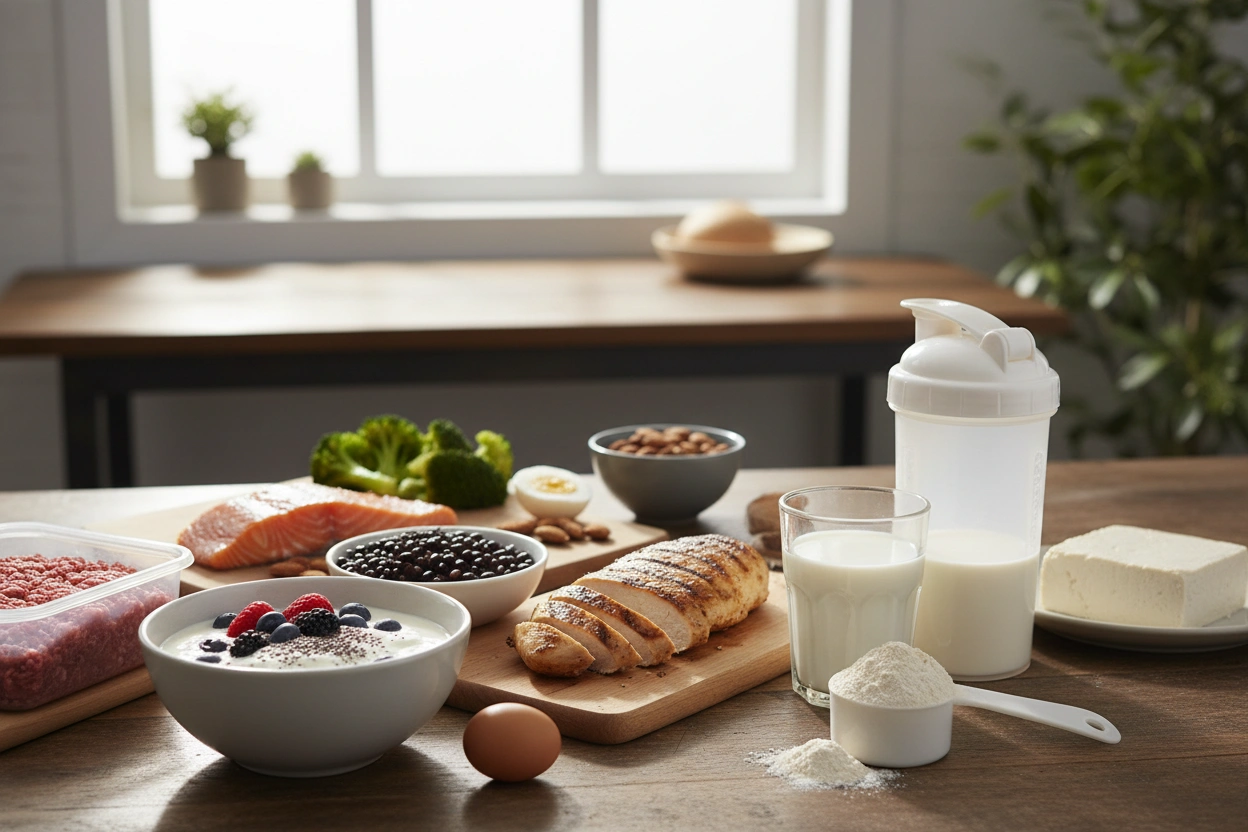
Adding more protein to your meals doesn't have to be complicated. Here are several practical strategies to ensure you meet your protein goals throughout the day:
Start with Breakfast
A protein-rich breakfast can set the tone for the rest of your day. Consider options such as:
- Smoothies: Blend spinach, banana, and a scoop of plant-based protein powder for a nutrient-dense start.
- Overnight Oats: Combine oats with almond milk, chia seeds, and a spoonful of nut butter for a filling morning meal.
- Tofu Scramble: Cook crumbled tofu with vegetables and spices for a hearty breakfast alternative to eggs.
Snack Wisely
Snacking can be an opportunity to increase your protein intake. Opt for:
- Greek Yogurt: While not plant-based, low-fat Greek yogurt is an excellent source of protein.
- Hummus and Veggies: Pair hummus with carrot sticks or bell peppers for a satisfying snack.
- Roasted Chickpeas: Season and roast chickpeas for a crunchy, high-protein snack option.
Lunch and Dinner Ideas
For lunch and dinner, focus on incorporating protein-rich ingredients into your meals:
- Grain Bowls: Use quinoa or brown rice as a base and top with lentils, roasted vegetables, and a tahini dressing.
- Stir-Fries: Combine tofu or edamame with a variety of vegetables and serve over whole grains for a well-rounded meal.
- Salads: Add chickpeas or hemp seeds to salads for an extra protein boost.
Meal Prep for Success
Planning your meals in advance can help ensure you have adequate protein sources available. Here’s how to effectively meal prep:
- Choose Your Proteins: Select a variety of plant-based proteins such as lentils, quinoa, and tofu.
- Batch Cook: Prepare large quantities of these proteins at the beginning of the week for easy access.
- Mix and Match: Combine different proteins with a variety of vegetables and grains to create diverse meals.
Common Mistakes to Avoid
While increasing protein intake is beneficial, it's essential to avoid common pitfalls that can undermine your efforts:
- Neglecting Complete Proteins: Many plant-based proteins lack one or more essential amino acids. Ensure you combine different sources to create complete proteins, such as pairing rice and beans.
- Overlooking Portion Sizes: Even high protein foods can contribute to weight gain if consumed in excess. Be mindful of portion sizes to maintain a balanced diet.
- Ignoring Nutrient Balance: Focusing solely on protein can lead to a lack of other vital nutrients. Ensure your diet is balanced with fruits, vegetables, and healthy fats.
The Benefits of Plant-Based Protein
Opting for plant-based protein sources offers numerous advantages beyond just meeting your protein needs:
- Lower Caloric Density: Most plant-based proteins are lower in calories compared to animal proteins, making them ideal for those looking to lose weight.
- Rich in Nutrients: Plant proteins are often packed with vitamins, minerals, and antioxidants that contribute to overall health.
- Heart Health: Plant-based diets are linked to lower cholesterol levels and reduced risk of heart disease, making them a heart-healthy choice.
Enhancing Your Protein Intake with FlowWell
Incorporating high-protein foods into your diet is crucial for maintaining a lean physique, but it can be challenging to find the right balance. FlowWell — Finally Feel Good on Your GLP offers resources and support to help you navigate your dietary journey effectively. With a focus on plant-based nutrition, FlowWell can assist you in optimizing protein intake while ensuring a well-rounded diet.
Discover More with FlowWell
Embracing a plant-based diet rich in protein doesn't have to feel overwhelming. With the right strategies and support, you can enjoy a variety of delicious foods that meet your nutritional needs. For more information on how to effectively integrate plant-based proteins into your diet, visit FlowWell — Finally Feel Good on Your GLP.
By understanding the importance of protein and exploring the many plant-based options available, you can take significant steps towards achieving your dietary goals. Whether you are looking to lose weight, build muscle, or simply eat healthier, the right protein sources can make all the difference in your journey.