Top Diet Tips for Those Taking GLP-1 Medications
Discover essential diet tips for those taking GLP-1 medications to enhance treatment effectiveness and improve health outcomes.
Top Diet Tips for Those Taking GLP-1 Medications
Navigating dietary choices while on GLP-1 medications can be a challenge. These medications, often prescribed for weight management and diabetes treatment, work by mimicking the effects of the hormone GLP-1, which helps regulate appetite and insulin secretion. As of 2026, understanding how to align your diet with your treatment can enhance the effectiveness of these medications and improve overall health outcomes. This article provides essential diet tips for those taking GLP-1 medications, along with an Ozempic usage guide, and a comparative analysis of different GLP-1 medications.
Understanding GLP-1 Medications
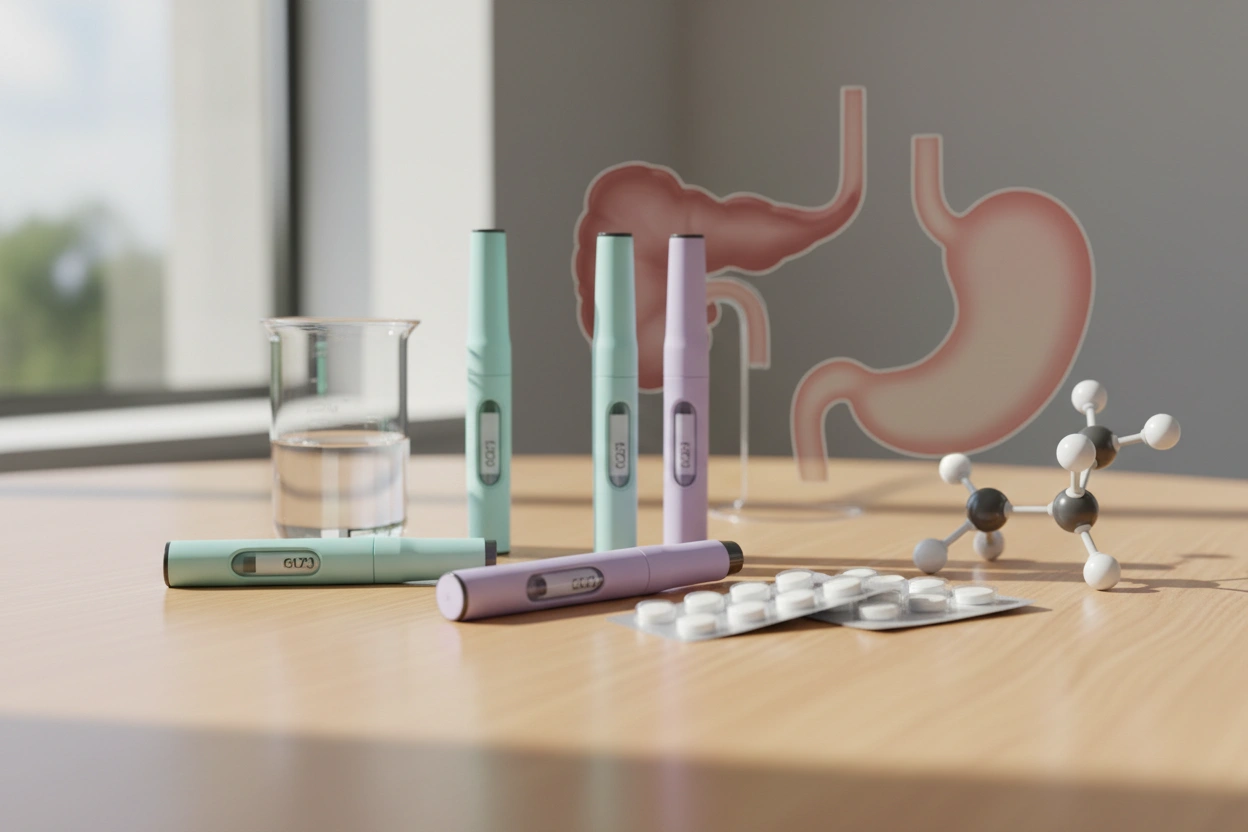
What Are GLP-1 Medications?
GLP-1 medications are a class of drugs that mimic the action of glucagon-like peptide-1, a hormone involved in glucose metabolism. By enhancing insulin secretion, slowing gastric emptying, and reducing appetite, these medications can be instrumental in managing blood sugar levels and promoting weight loss. Common examples include drugs like Ozempic, Trulicity, and Victoza.
- Ozempic: Often regarded as a frontrunner in this category, Ozempic has gained popularity for its effectiveness in weight loss and blood sugar control.
- Trulicity: Known for its convenience, as it is administered once a week, Trulicity also offers significant benefits for weight management.
- Victoza: This medication is typically prescribed for type 2 diabetes but has also shown effectiveness in weight loss.
How Do They Work?
GLP-1 medications act on several physiological pathways to achieve their effects. They stimulate insulin secretion in response to meals, inhibit glucagon release, and slow down gastric emptying. This multifaceted approach not only helps maintain blood glucose levels but also contributes to weight loss by promoting satiety.
- Insulin Secretion: By enhancing the body's natural insulin response, these medications help prevent spikes in blood sugar.
- Appetite Regulation: Users often experience a reduced desire to eat, which can lead to healthier eating patterns.
- Gastric Emptying: Slower gastric emptying contributes to a feeling of fullness, reducing overall food intake.
Top Diet Tips for Individuals on GLP-1 Medications
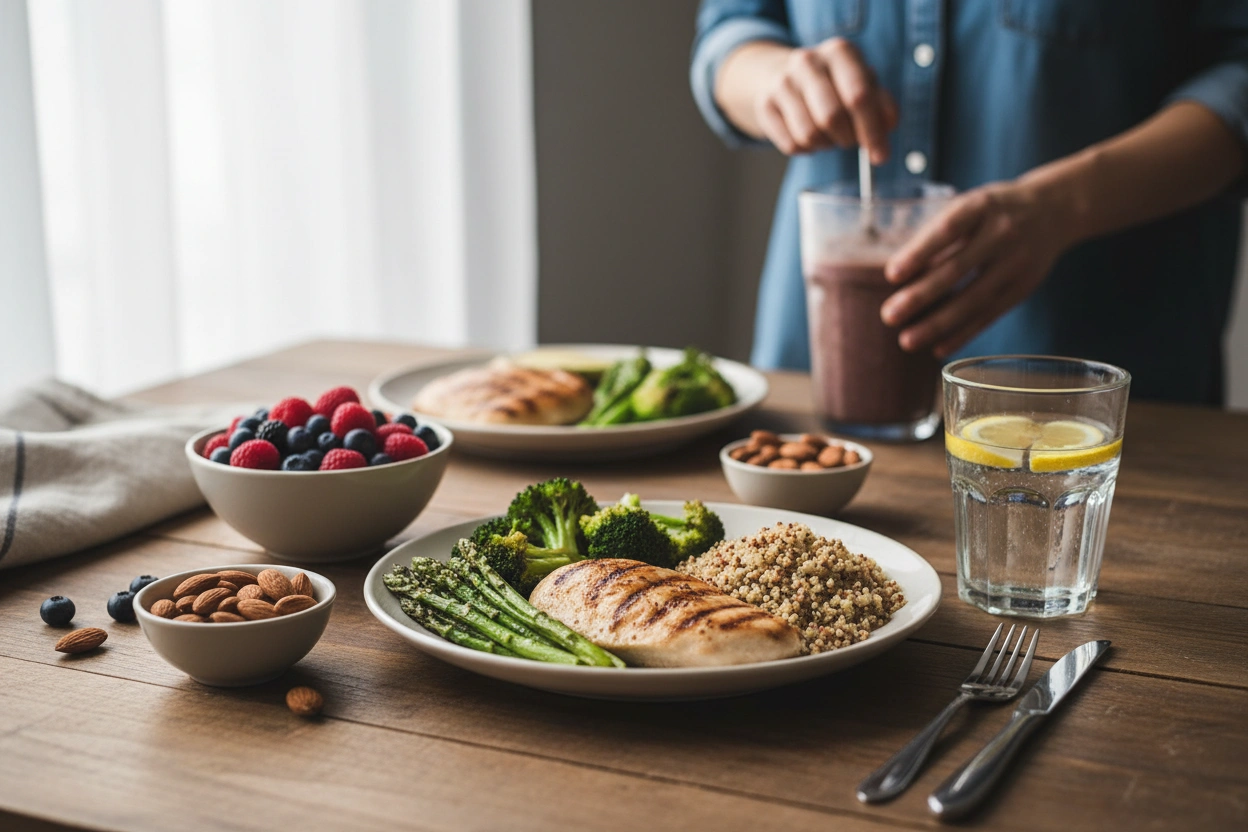
Incorporating the right dietary strategies can optimize the effects of GLP-1 medications. Here are some essential tips to consider:
1. Focus on Whole Foods
Eating whole, minimally processed foods is crucial for anyone taking GLP-1 medications. Whole foods are nutrient-dense and can help manage blood sugar levels.
- Fruits and Vegetables: Aim for a variety of colors on your plate. Leafy greens, berries, and cruciferous vegetables are excellent choices.
- Whole Grains: Opt for whole grains like brown rice, quinoa, and whole wheat bread, which provide fiber and help stabilize blood sugar.
2. Monitor Portion Sizes
While GLP-1 medications may reduce appetite, it is still important to be mindful of portion sizes to avoid excessive calorie intake.
- Use Smaller Plates: This can help control portion sizes and prevent overeating.
- Practice Mindful Eating: Take time to chew your food and enjoy your meals without distractions.
3. Balance Macronutrients
A well-balanced diet that includes carbohydrates, proteins, and healthy fats is essential for those on GLP-1 medications.
- Lean Proteins: Incorporate sources such as chicken, fish, tofu, and legumes, which can help maintain muscle mass while losing weight.
- Healthy Fats: Include sources like avocados, nuts, and olive oil, which can promote satiety and overall health.
4. Stay Hydrated
Hydration is often overlooked but plays a significant role in overall health and weight management.
- Drink Water: Aim for at least eight glasses of water daily. Staying hydrated can help manage hunger and support metabolic functions.
- Limit Sugary Drinks: Avoid beverages high in sugar, as they can contribute to weight gain and spikes in blood sugar levels.
5. Plan and Prepare Meals
Meal planning can be a powerful tool in managing your diet while on GLP-1 medications.
- Create a Weekly Menu: Planning meals in advance can help you make healthier choices and avoid impulsive eating.
- Prepare Healthy Snacks: Keep healthy snacks like fruits, nuts, and yogurt handy to prevent unhealthy snacking.
Ozempic Usage Guide
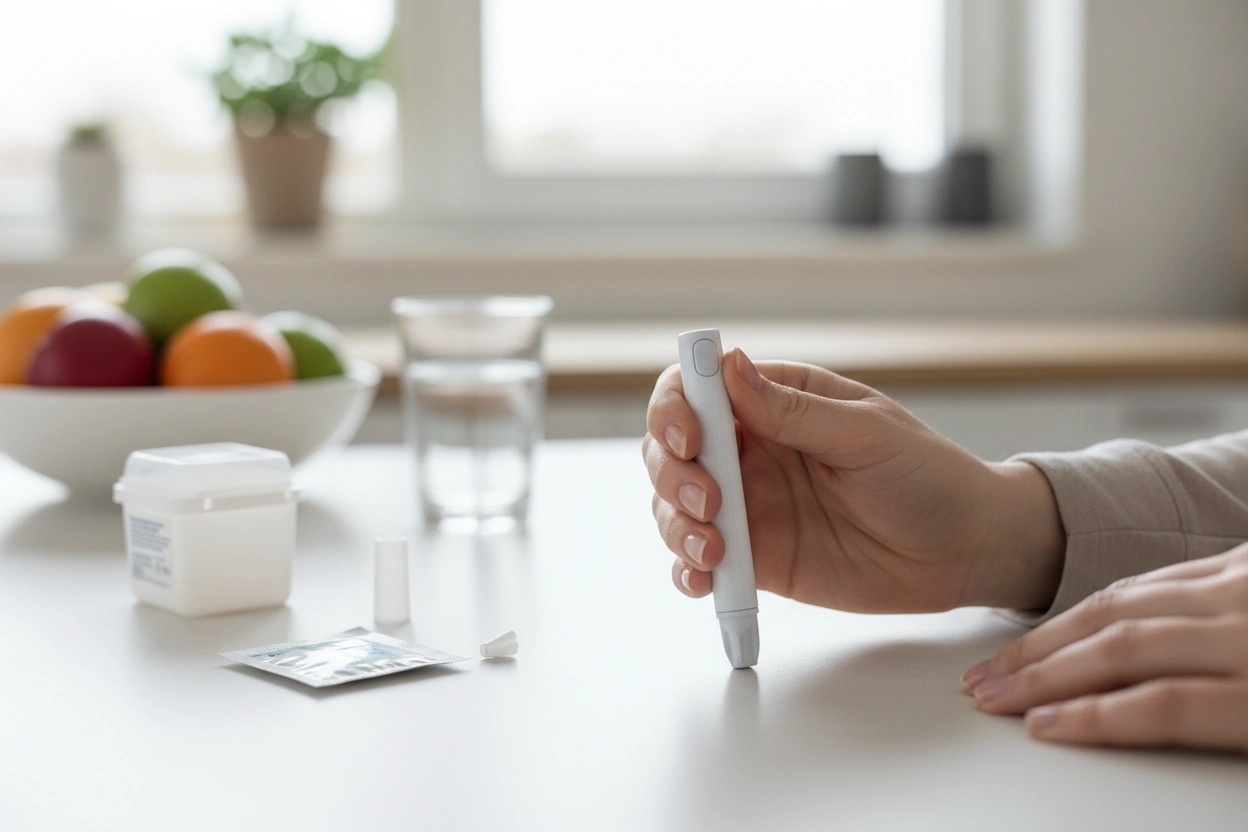
Understanding how to properly use Ozempic can enhance its effectiveness. Here are key guidelines:
Dosage and Administration
Ozempic is administered via subcutaneous injection, typically once a week. The following steps outline the proper usage:
- Choose an Injection Site: Common areas include the abdomen, thigh, or upper arm. Rotate the injection site to avoid irritation.
- Prepare the Pen: Check the pen for any damage and ensure the solution is clear and colorless.
- Inject the Medication: Pinch the skin and insert the needle at a 90-degree angle. Inject the medication and hold for a few seconds before withdrawing the needle.
Common Side Effects
While many users tolerate Ozempic well, some may experience side effects, including:
- Nausea
- Diarrhea
- Stomach pain
If side effects persist or worsen, consult a healthcare provider for guidance.
Comparative Analysis of Medications
When considering GLP-1 medications, it is important to understand the differences among them. Here’s a comparative overview:
Efficacy
- Ozempic: Studies indicate significant weight loss and improved glycemic control in users.
- Trulicity: Effective for weight management, though typically results in slightly less weight loss compared to Ozempic.
- Victoza: Also effective, but may require more frequent dosing.
Dosing Convenience
- Ozempic: Once weekly, making it convenient for users.
- Trulicity: Similar weekly dosing, which is user-friendly.
- Victoza: Requires daily injections, which may be less appealing for some users.
Cost Considerations
Cost can vary widely based on insurance coverage and pharmacy pricing. It is advisable to check with your insurance provider to understand the coverage specifics for each medication.
Common Misconceptions and Mistakes
Misconception: GLP-1 Medications Allow for Unrestricted Eating
A common misunderstanding is that GLP-1 medications can compensate for poor dietary choices. While these medications can help manage appetite, they do not negate the need for a balanced diet.
Mistake: Skipping Meals
Some individuals may think that skipping meals will enhance weight loss. However, this can lead to increased hunger and potential overeating later. Regular, balanced meals are essential for maintaining stable blood sugar levels.
Misconception: All Carbohydrates Are Bad
Not all carbohydrates are detrimental; the key is to focus on complex carbohydrates that provide fiber and nutrients, rather than simple sugars that can spike blood sugar levels.
The Intersection of Diet and GLP-1 Medications
As we have explored, the relationship between diet and the efficacy of GLP-1 medications is profound. Implementing the right dietary strategies can amplify the benefits of these medications, leading to improved health outcomes and weight management. FlowWell — Finally Feel Good on Your GLP is dedicated to supporting individuals on their journey with GLP-1 medications.
Integrating these dietary tips into your lifestyle not only enhances the effectiveness of your medication but also promotes overall make time for wellness. If you're looking for personalized guidance or resources related to GLP-1 medications, visit FlowWell — Finally Feel Good on Your GLP for more information.
By embracing a healthy lifestyle that complements the use of GLP-1 medications, you can achieve your health goals more effectively. Contact FlowWell — Finally Feel Good on Your GLP to learn how we can assist you in your journey toward better health.