Top Fiber-Rich Foods for Digestive Health and Weight Loss
Discover the best fiber-rich foods to enhance digestive health and support weight loss. Boost your well-being with these nutritious options.
Top Fiber-Rich Foods for Digestive Health and Weight Loss
Maintaining digestive health is crucial for overall well-being and effective weight management. A diet rich in fiber plays a pivotal role in promoting a healthy digestive system. Fiber not only aids in digestion but also helps in weight loss by keeping you full longer, stabilizing blood sugar levels, and promoting a healthy gut microbiome. In 2026, with an increasing awareness of the importance of nutrition, understanding which fiber-rich foods can enhance digestive health while supporting weight loss is essential.
This article explores the top fiber-rich foods that contribute to digestive health and weight loss, along with a complete guide to improving digestive health while using Ozempic, a medication often prescribed for weight management. By incorporating these insights into your daily routine, you can achieve a healthier digestive system and support your weight loss goals.
Understanding Digestive Health

What is Digestive Health?
Digestive health refers to the efficient functioning of the gastrointestinal (GI) tract, which includes the mouth, esophagus, stomach, intestines, and rectum. A well-functioning digestive system allows the body to break down food, absorb nutrients, and eliminate waste effectively. Poor digestive health can lead to various issues, such as bloating, constipation, diarrhea, and even more severe conditions like irritable bowel syndrome (IBS) or inflammatory bowel disease (IBD).
Importance of Fiber in Digestive Health
Fiber is a type of carbohydrate that the body cannot digest. It passes through the digestive system intact, providing numerous health benefits. There are two main types of dietary fiber: soluble and insoluble.
- Soluble fiber dissolves in water and can help lower blood cholesterol and glucose levels. It is found in foods like oats, beans, and apples.
- Insoluble fiber does not dissolve in water and adds bulk to the stool, helping food pass through the digestive tract more easily. Foods rich in insoluble fiber include whole grains, nuts, and vegetables.
Including an adequate amount of fiber in your diet is essential for maintaining digestive health. The recommended daily intake of fiber is approximately 25 grams for women and 38 grams for men. However, most people fall short of these recommendations, leading to various digestive issues.
Top Fiber-Rich Foods for Digestive Health
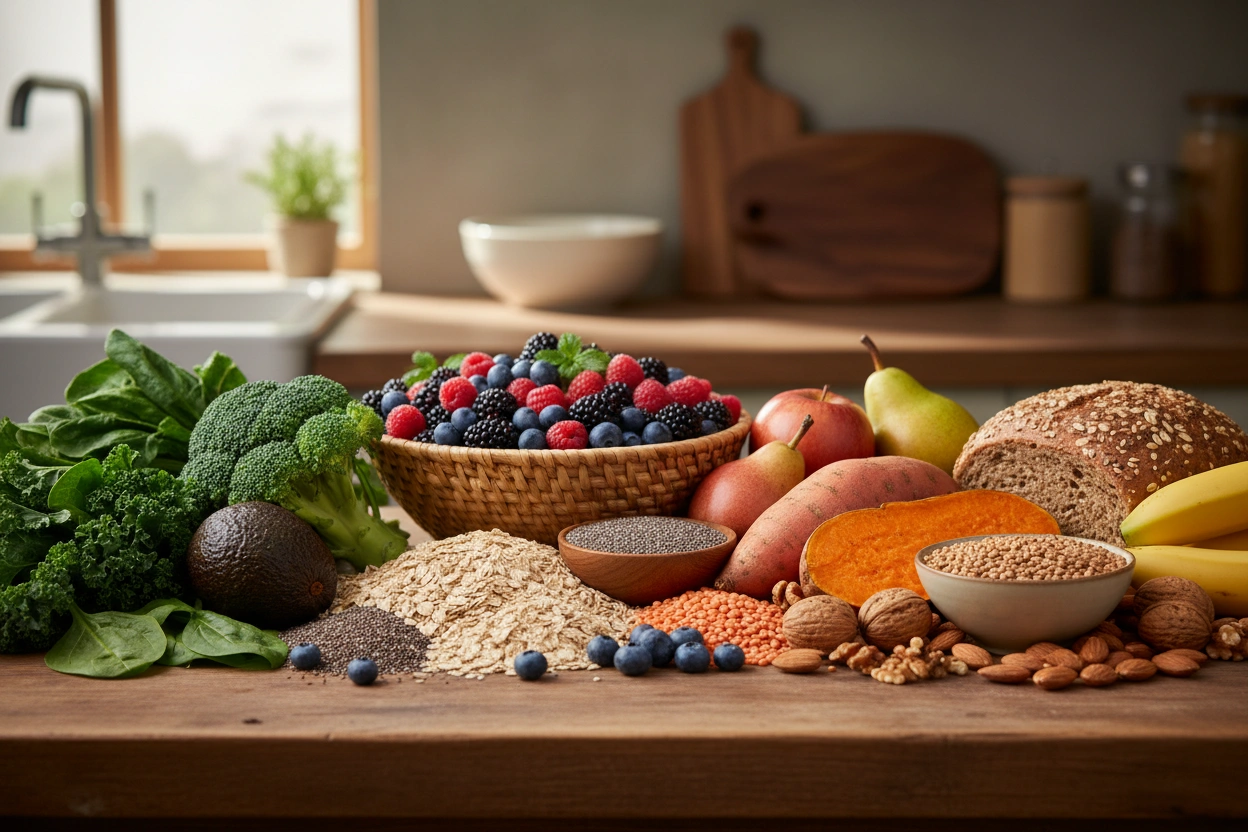
Incorporating fiber-rich foods into your diet can significantly improve digestive health and aid in weight loss. Here are some of the top fiber-rich foods you should consider:
1. Legumes
Legumes such as lentils, chickpeas, black beans, and kidney beans are excellent sources of dietary fiber.
- Benefits: They are rich in both soluble and insoluble fiber, which helps regulate bowel movements, prevent constipation, and promote a healthy gut microbiome.
- Serving Suggestions: Add legumes to salads, soups, or stews to boost fiber intake.
2. Whole Grains
Whole grains like oats, quinoa, barley, and brown rice are packed with fiber.
- Benefits: Whole grains contain essential nutrients and antioxidants, contributing to overall health. They also help manage weight by promoting satiety and stabilizing blood sugar levels.
- Serving Suggestions: Start your day with a bowl of oatmeal or switch to whole-grain bread for sandwiches.
3. Fruits
Fruits are not only delicious but also a great source of fiber, especially when consumed with their skins.
- Benefits: Fruits like apples, pears, berries, and bananas provide both soluble and insoluble fiber, aiding digestion and promoting feelings of fullness.
- Serving Suggestions: Snack on whole fruits or add them to smoothies for an extra fiber boost.
4. Vegetables
Vegetables are critical for a fiber-rich diet and are low in calories, making them perfect for weight loss.
- Benefits: Leafy greens, broccoli, carrots, and Brussels sprouts are high in fiber and packed with vitamins and minerals that support digestive health.
- Serving Suggestions: Incorporate a variety of colorful vegetables into stir-fries, salads, or as side dishes.
5. Nuts and Seeds
Nuts and seeds are nutrient-dense snacks that provide healthy fats, protein, and fiber.
- Benefits: Almonds, chia seeds, and flaxseeds are particularly high in fiber, which can help regulate digestion and promote satiety.
- Serving Suggestions: Sprinkle nuts and seeds on yogurt or oatmeal, or enjoy them as a snack.
Enhancing Digestive Health While Using Ozempic
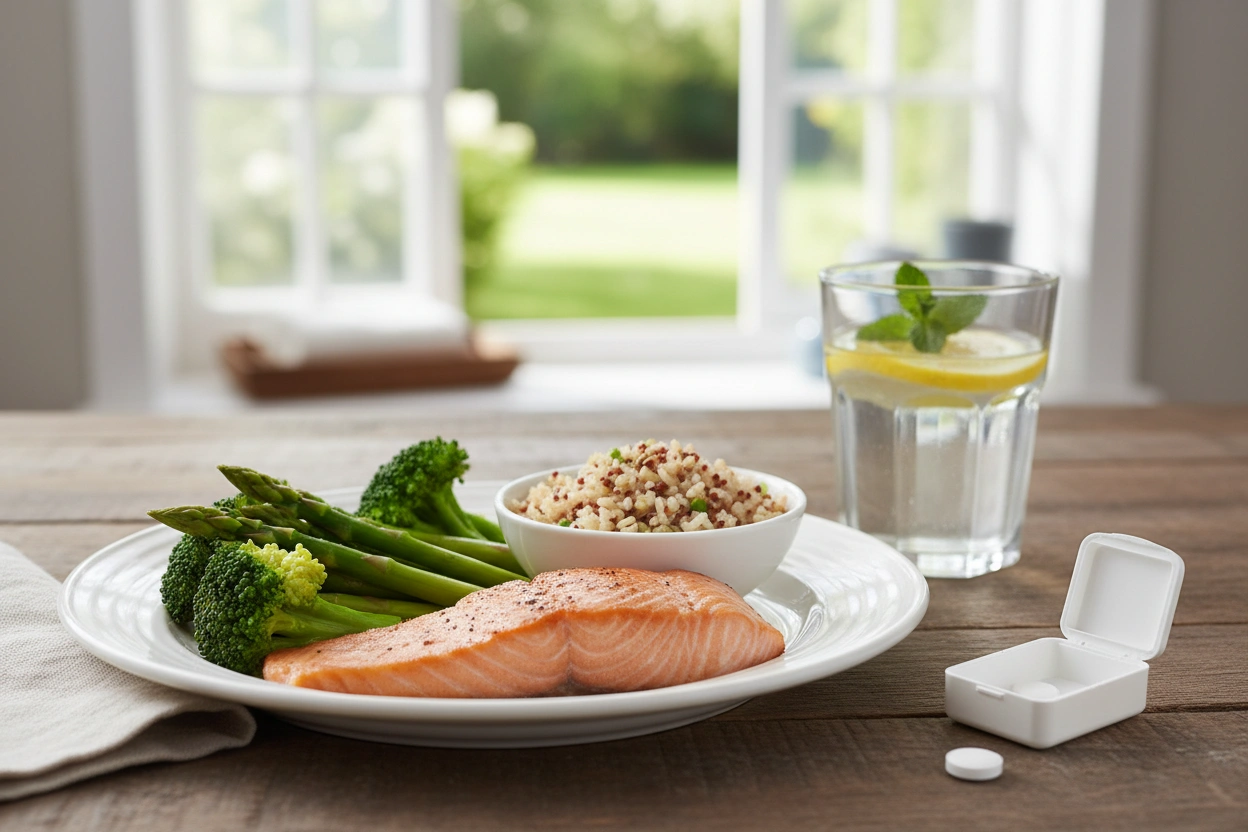
Ozempic is a medication that can help with weight management in individuals with type 2 diabetes. While it is effective, it is essential to support digestive health through dietary choices. Here are practical strategies to enhance digestive health while using Ozempic:
Understanding Ozempic's Impact on Digestion
Ozempic works by mimicking the effects of a hormone called GLP-1, which helps regulate appetite and insulin secretion. However, some individuals may experience digestive side effects such as nausea or constipation. To mitigate these effects, focus on incorporating fiber-rich foods into your meals.
Practical Tips for Combining Ozempic with a Fiber-Rich Diet
- Gradually Increase Fiber Intake: Sudden increases in fiber can lead to digestive discomfort. Gradually incorporate fiber-rich foods to allow your digestive system to adjust.
- Stay Hydrated: Drinking plenty of water is crucial when increasing fiber intake, as it helps prevent constipation and supports overall digestive health.
- Balanced Meals: Combine fiber-rich foods with protein and healthy fats to create balanced meals that promote satiety and prevent blood sugar spikes.
- Listen to Your Body: Pay attention to how your body reacts to different foods and adjust your diet accordingly to maintain comfort while using Ozempic.
Common Misconceptions About Fiber and Digestive Health
Misconception 1: All Fiber is the Same
Not all fiber types provide the same benefits. Soluble fiber is beneficial for lowering cholesterol and stabilizing blood sugar, while insoluble fiber is essential for promoting regularity. It's important to consume a variety of fiber sources to reap the full range of benefits.
Misconception 2: Fiber Supplements Are Enough
While fiber supplements can help increase intake, whole foods provide additional nutrients and health benefits that supplements cannot replicate. A diet rich in whole, fiber-rich foods is more effective for promoting digestive health and overall well-being.
The Role of Fiber in Weight Loss
Fiber plays a significant role in weight management by promoting feelings of fullness and reducing overall calorie intake. Here are some ways fiber contributes to weight loss:
- Satiety: High-fiber foods take longer to chew and digest, leading to increased feelings of fullness and reduced hunger.
- Calorie Density: Many fiber-rich foods are low in calories, allowing you to consume larger portions without exceeding calorie limits.
- Metabolism: Fiber can help regulate blood sugar levels, preventing spikes that can lead to cravings and overeating.
The Importance of a Balanced Diet for Digestive Health
While fiber is essential for digestive health, a balanced diet also includes a variety of nutrients.
- Vitamins and Minerals: Ensure you are consuming enough vitamins and minerals from fruits, vegetables, and whole grains to support overall health.
- Healthy Fats: Include sources of healthy fats, such as avocados, olive oil, and fatty fish, to support nutrient absorption and maintain a healthy gut lining.
- Protein: Incorporate lean protein sources to aid in muscle maintenance and repair, especially when losing weight.
Making Dietary Changes Sustainable
Adopting a fiber-rich diet for digestive health and weight loss requires commitment. Here are some strategies to make these changes sustainable:
- Plan Your Meals: Take time to plan meals that incorporate a variety of fiber-rich foods.
- Experiment with Recipes: Try new recipes that highlight fiber-rich ingredients to keep meals interesting and enjoyable.
- Set Realistic Goals: Gradually increase fiber intake and set achievable weight loss goals to avoid feeling overwhelmed.
The Intersection of Digestive Health and Weight Management
Digestive health is intricately linked to weight management. By focusing on fiber-rich foods, individuals can improve their digestive health while simultaneously supporting weight loss efforts.
FlowWell — Finally Feel Good on Your GLP offers solutions to help you manage your weight effectively while ensuring optimal digestive health. With a focus on balanced nutrition and lifestyle changes, you can achieve your health goals.
Take Action for Better Digestive Health
Incorporating fiber-rich foods into your diet is a key strategy for enhancing digestive health and aiding weight loss. By understanding the importance of fiber and making informed dietary choices, you can significantly improve your overall well-being.
To explore how you can effectively apply these insights and achieve your health goals, visit FlowWell — Finally Feel Good on Your GLP.
Managing GLP-1 side effects? Our articles can help.
Evidence-based articles written for real patients — covering constipation relief, fiber intake, medication adherence, and more.