Understanding the Difference Between GLP-1 and GLP-2 for Digestive Health
Discover the difference between GLP-1 and GLP-2 and their roles in digestive health, appetite regulation, and metabolic processes.
Understanding the Difference Between GLP-1 and GLP-2 for Digestive Health
The human digestive system is a complex interplay of hormones, enzymes, and neural signals. Among these, glucagon-like peptides (GLP-1 and GLP-2) play crucial roles in regulating appetite, metabolism, and overall gut health. understanding the difference between GLP-1 and GLP-2 is essential for anyone looking to improve their digestive health, manage weight, or comprehend the underlying mechanisms of metabolic disorders. This article delves into these two important peptides, their functions, and their implications for health and weight management.
What Are GLP-1 and GLP-2?
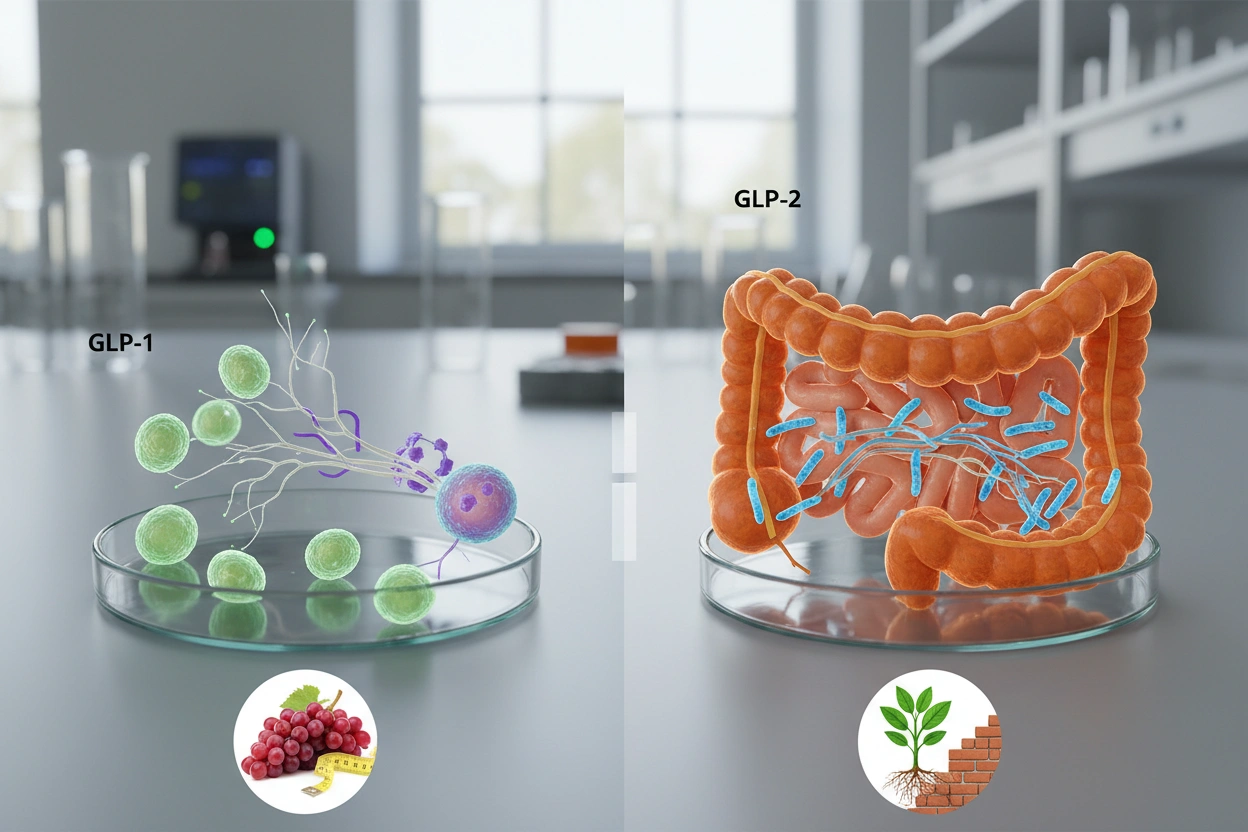
GLP-1 and GLP-2 are both hormones derived from the proglucagon gene, which is expressed predominantly in the intestinal L-cells. They are released into the bloodstream in response to food intake and have distinct but complementary functions in the body.
GLP-1: The Metabolic Regulator
GLP-1 primarily functions as an incretin hormone. This means it promotes insulin secretion in a glucose-dependent manner, effectively lowering blood sugar levels. Additionally, GLP-1 has several other critical roles:
- It reduces glucagon secretion, which prevents the liver from producing more glucose.
- It slows gastric emptying, leading to a prolonged feeling of fullness after meals.
- It can promote satiety, helping individuals manage their appetite and caloric intake.
GLP-1 receptor agonists, a class of medications that mimic the action of GLP-1, have become increasingly popular in the treatment of type 2 diabetes and obesity. These medications can lead to significant weight loss, making them a vital tool in the management of metabolic disorders.
GLP-2: The Gut Protector
On the other hand, GLP-2's primary function is to maintain gut integrity and promote intestinal health. It plays a crucial role in:
- Enhancing nutrient absorption by stimulating the growth and differentiation of intestinal epithelial cells.
- Increasing intestinal blood flow, which aids in nutrient delivery and absorption.
- Protecting against gastrointestinal disorders by promoting the healing of the intestinal lining.
While GLP-2 does not have a direct role in glucose metabolism, it is essential for maintaining a healthy gut environment, which can indirectly influence metabolic processes.
The Difference Between GLP-1 and GLP-2
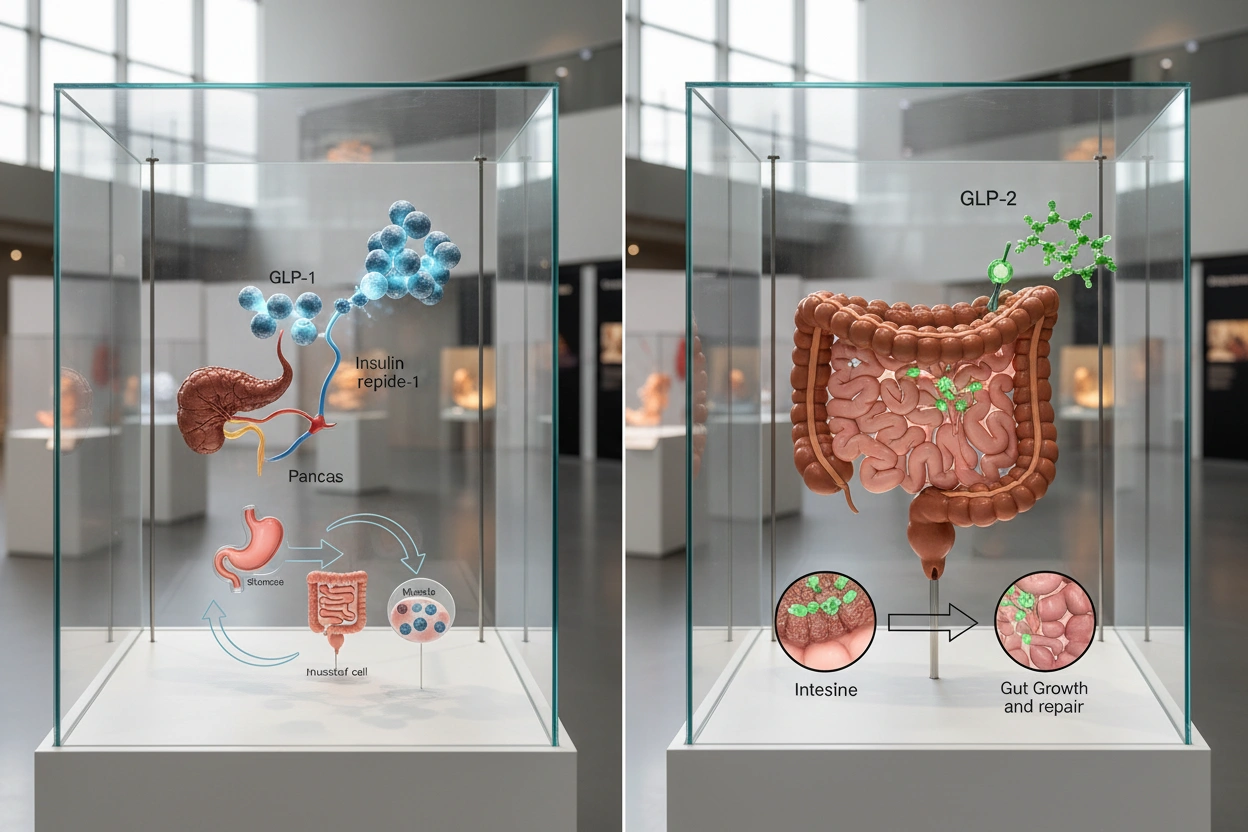
Understanding the difference between GLP-1 and GLP-2 is critical for recognizing their respective roles in health and disease. Here are the key distinctions:
Hormonal Functions
- GLP-1: Primarily involved in glucose metabolism, appetite regulation, and weight loss.
- GLP-2: Focused on gut health, nutrient absorption, and intestinal integrity.
Effects on Weight Loss
GLP-1 has been shown to be effective in promoting weight loss. The appetite-suppressing effects of GLP-1 receptor agonists help individuals reduce caloric intake. In contrast, GLP-2 does not directly affect weight loss; instead, its role in gut health may support overall metabolic health but does not target weight reduction specifically.
Therapeutic Applications
- GLP-1 receptor agonists are used in the management of type 2 diabetes and obesity, with medications like semaglutide gaining attention for their efficacy.
- GLP-2 is not used in weight management but may have therapeutic applications in conditions like short bowel syndrome, where enhancing gut health is crucial.
How GLP-1 and GLP-2 Affect Weight Loss and Metabolism
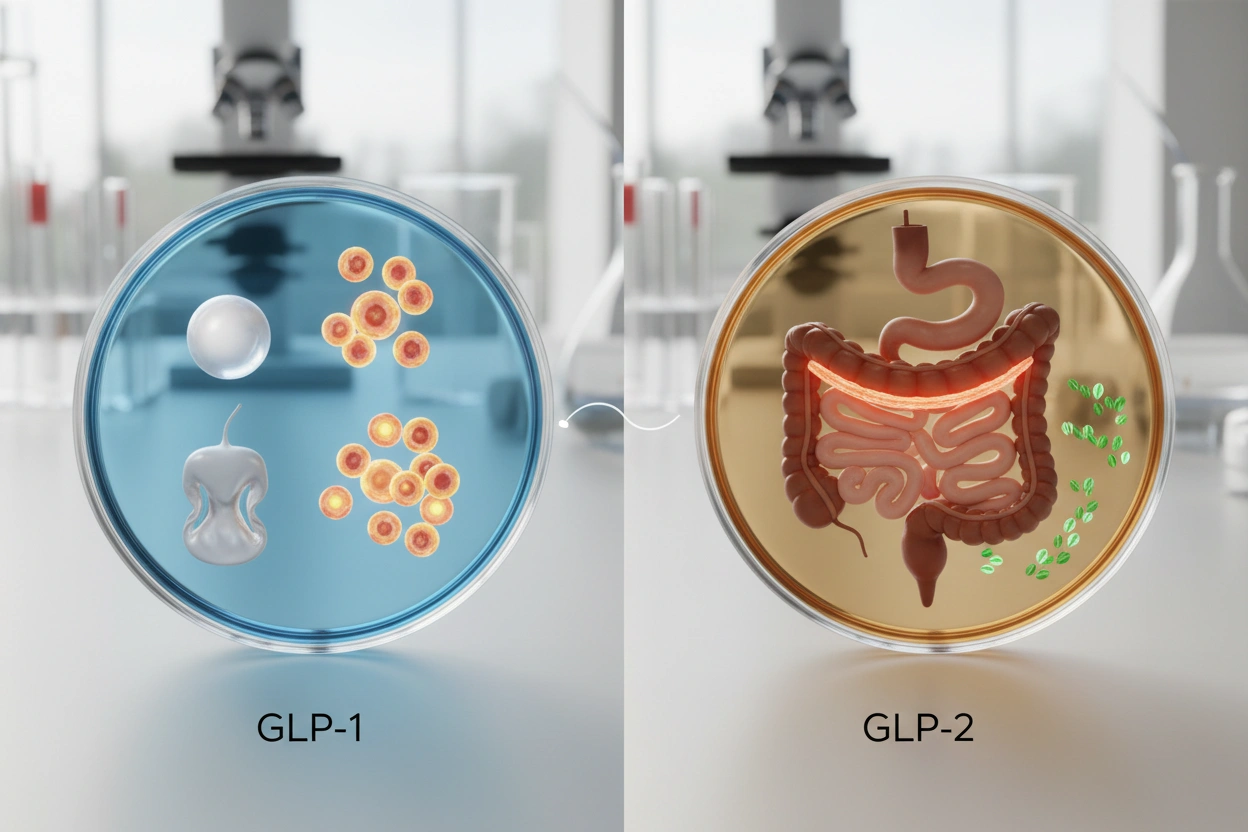
Weight management is a significant concern for many individuals, and understanding how GLP-1 and GLP-2 affect this process can provide valuable insights.
The Role of GLP-1 in Weight Management
GLP-1 receptor agonists have been found to lead to substantial weight loss due to their multifaceted approach:
- Appetite Suppression: By promoting feelings of fullness, GLP-1 reduces the desire to eat, leading to lower caloric intake.
- Increased Energy Expenditure: Some studies suggest that GLP-1 may enhance energy expenditure, contributing to weight loss.
- Improved Glucose Control: By regulating blood sugar levels, GLP-1 can help prevent the cycles of hunger and overeating associated with insulin resistance.
The Indirect Role of GLP-2
While GLP-2 does not directly promote weight loss, its role in maintaining gut health can influence metabolic processes:
- Enhanced Nutrient Absorption: A healthy gut leads to better nutrient absorption, which can optimize metabolic function.
- Gut Microbiome Support: GLP-2 may help maintain a healthy gut microbiome, which is increasingly recognized for its role in weight regulation and metabolic health.
Common Misconceptions
A common misconception is that both GLP-1 and GLP-2 serve the same purpose in weight management. While they are both derived from the same precursor and play roles in digestive health, their functions and effects on weight are distinct. GLP-1 is a key player in appetite regulation and weight loss, whereas GLP-2 focuses on gut integrity and nutrient absorption.
Practical Insights for Utilizing GLP-1 and GLP-2
Understanding the difference between GLP-1 and GLP-2 can help individuals make informed choices about their health. Here are some actionable insights:
For Weight Management
- Consult a Healthcare Provider: If you are considering GLP-1 receptor agonists for weight loss, speak with a healthcare professional to determine if these medications are right for you.
- Incorporate a Balanced Diet: Focus on a diet rich in fiber, lean proteins, and healthy fats to support GLP-1 secretion naturally. Foods like avocados, legumes, and whole grains can be beneficial.
- Regular Physical Activity: Exercise can enhance the effects of GLP-1 and promote better overall metabolic health.
For Gut Health
- Prioritize Gut Health: To support GLP-2 function, consume a diet rich in prebiotics and probiotics. Fermented foods like yogurt, kefir, and sauerkraut can help maintain a healthy gut environment.
- Stay Hydrated: Adequate hydration is essential for digestive health, which can indirectly support GLP-2 functions.
- Monitor Gut Health: Pay attention to digestive symptoms and consult a healthcare provider if you experience issues, as these can impact both GLP-1 and GLP-2 functions.
The Intersection of GLP-1, GLP-2, and Digestive Health
Understanding the difference between GLP-1 and GLP-2 provides valuable insights into how these hormones interact with our bodies to influence health. Both hormones play essential roles, but their distinct functions mean they have different implications for weight management and gut health. By focusing on the appropriate strategies for enhancing the actions of GLP-1 and GLP-2, individuals can improve their metabolic health and digestive function.
FlowWell — Finally Feel Good on Your GLP provides resources and support for individuals looking to optimize their GLP levels and improve their digestive health. Whether through dietary changes, lifestyle modifications, or medical interventions, understanding these hormones is the first step toward better health.
To learn more about how you can support your digestive health and harness the power of GLP-1 and GLP-2, visit FlowWell — Finally Feel Good on Your GLP.