Walking and Weight Loss: Combining Walking with Other Exercises
Discover how walking can boost your weight loss journey when combined with other exercises. Easy routines for all fitness levels await!
Walking and Weight Loss: Combining Walking with Other Exercises
Walking is one of the simplest and most effective forms of exercise that can contribute significantly to weight loss and overall health. It is an activity that can be easily integrated into daily life, making it accessible for individuals at any fitness level. In this article, we will explore how walking can be combined with other exercises to enhance weight loss efforts, various walking routines suitable for different fitness levels, and actionable insights to maximize the benefits of walking.
The Benefits of Walking for Weight Loss

Walking offers numerous advantages that make it an ideal choice for those looking to lose weight. Not only is it low-impact and easy to incorporate into daily routines, but it also provides a range of physical and mental health benefits.
Physical Health Benefits
Caloric Burn: Walking burns calories, contributing to a calorie deficit essential for weight loss. The number of calories burned depends on factors such as walking speed, distance, and individual body weight. For example, a 160-pound person burns approximately 314 calories per hour walking at a moderate pace of 3.5 mph.
Improved Cardiovascular Health: Regular walking strengthens the heart, lowers blood pressure, and improves circulation. This is crucial for overall health and aids in weight management by enhancing metabolic functions.
Muscle Toning: Walking engages various muscle groups, particularly in the legs, core, and back. Combining walking with other exercises can further enhance muscle tone, leading to improved body composition.
Mental Health Benefits
Stress Reduction: Walking has been shown to reduce stress levels, which can otherwise lead to emotional eating and weight gain. Regular walks in nature can boost mood and mental clarity.
Increased Motivation: Establishing a walking routine can foster a sense of accomplishment and motivation, encouraging individuals to stick to their weight loss goals.
Walking Routines for Every Fitness Level and Goal
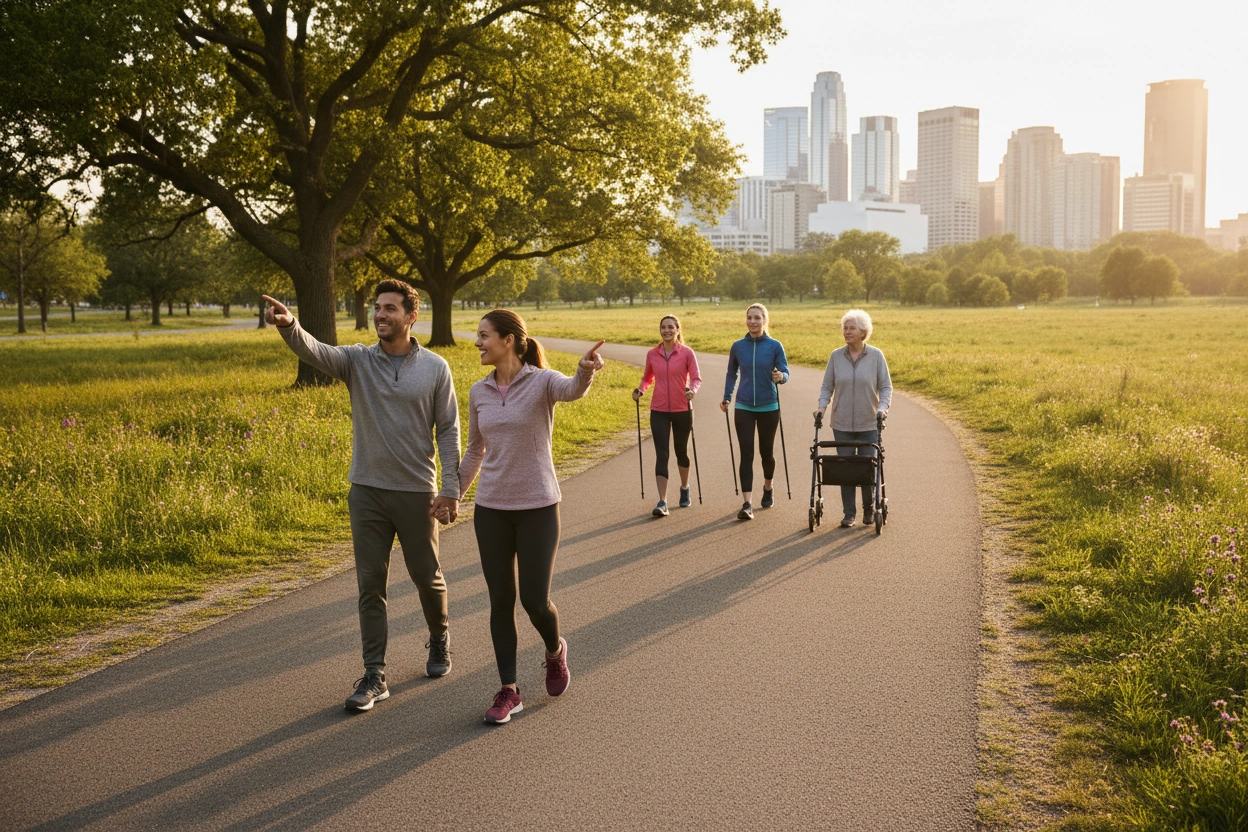
Creating a walking routine that aligns with your fitness level and weight loss objectives is essential for success. Below are tailored walking routines that cater to different needs and goals.
Beginner Walking Routine
For those just starting their fitness journey, the key is to build stamina gradually.
- Frequency: Aim for three to four days a week.
- Duration: Start with 15-20 minutes per session.
- Intensity: Walk at a comfortable pace where conversation is possible.
- Progression: Increase duration by 5 minutes each week until reaching 30 minutes.
Intermediate Walking Routine
Once you have established a routine, you can increase intensity and duration.
- Frequency: Aim for four to five days a week.
- Duration: Start with 30 minutes and work up to 45 minutes.
- Intensity: Incorporate intervals by alternating between moderate and brisk walking every 5 minutes.
- Cross-Training: Combine walking with strength training exercises twice a week to enhance muscle engagement.
Advanced Walking Routine
For seasoned walkers looking to maximize weight loss, consider incorporating more intense workouts.
- Frequency: Aim for five to six days a week.
- Duration: Walk for 45-60 minutes.
- Intensity: Include hill walking or use a treadmill with incline settings to increase resistance.
- Combination Workouts: Pair walking with high-intensity interval training (HIIT) sessions or yoga to enhance flexibility and strength.
Combining Walking with Other Exercises
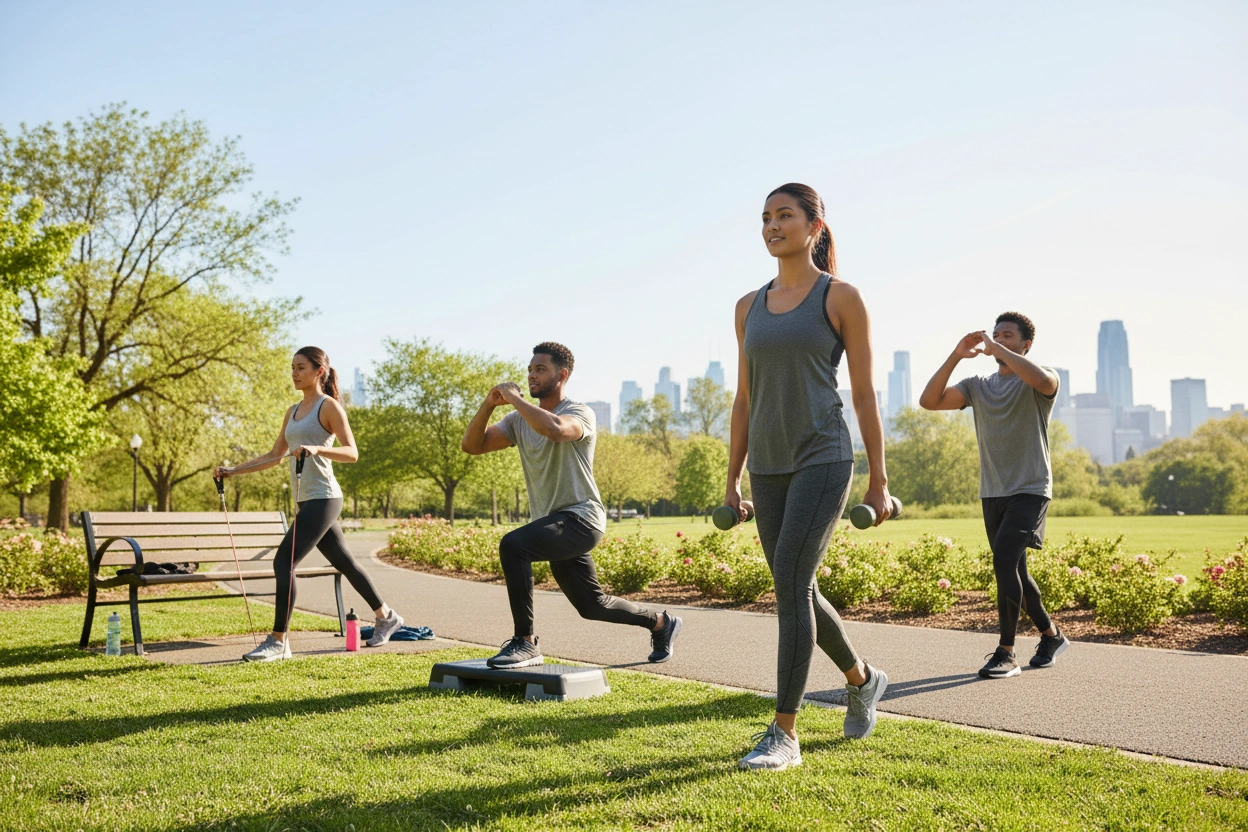
Integrating walking with other forms of exercise can yield greater weight loss benefits and improve overall fitness levels. Here are some effective combinations:
Walking and Strength Training
Incorporating strength training exercises into your walking routine can enhance muscle tone and boost metabolism.
- Schedule: Walk for 20-30 minutes, followed by a strength training session lasting 20-30 minutes.
- Exercises: Include bodyweight exercises like squats, lunges, and push-ups during your routine. For example, after a brisk 10-minute walk, perform 10 lunges, then continue walking.
Walking and Flexibility Training
Flexibility training, such as yoga or stretching, can complement walking routines by improving mobility and reducing injury risk.
- Schedule: Walk for 30-45 minutes, then dedicate 15-20 minutes to stretching or yoga.
- Focus Areas: Concentrate on stretching the hip flexors, hamstrings, and calves, which are heavily utilized during walking.
Walking and High-Intensity Interval Training (HIIT)
Combining walking with HIIT can lead to enhanced cardiovascular fitness and increased caloric burn.
- Schedule: Start with a 10-minute warm-up walk, then alternate between 1 minute of fast walking or jogging and 2 minutes of slow walking for 20-30 minutes.
- Benefits: This combination not only helps in weight loss but also keeps the workouts engaging and varied.
Common Misconceptions About Walking for Weight Loss
Despite its benefits, there are several misconceptions surrounding walking as a form of exercise for weight loss.
Misconception 1: Walking Is Not Effective for Weight Loss
Many people believe that walking is not a sufficient exercise for weight loss. However, studies indicate that regular walking can lead to significant weight loss, especially when combined with a balanced diet and other forms of exercise.
Misconception 2: You Need to Walk Long Distances to Lose Weight
Another common belief is that only long-distance walking contributes to weight loss. In reality, shorter, more intense walks can be just as effective, especially when combined with intervals or strength training.
Misconception 3: Walking Alone Is Enough
While walking is a fantastic starting point, relying solely on it may not yield optimal results for everyone. A balanced approach that includes various forms of exercise and proper nutrition is crucial for achieving weight loss goals.
Actionable Tips to Enhance Your Walking Routine
To maximize the benefits of walking for weight loss, consider these actionable tips:
Track Your Steps: Use a pedometer or smartphone app to monitor your daily steps. Aim for a minimum of 10,000 steps per day for optimal health benefits.
Vary Your Routes: Change your walking routes regularly to prevent boredom and engage different muscle groups. Explore parks, trails, or urban areas to keep things interesting.
Incorporate Walking Challenges: Set personal challenges, such as walking a certain distance within a specific timeframe or participating in community walks or charity events.
Use Proper Footwear: Invest in quality walking shoes to prevent injuries and ensure comfort during your walks.
Stay Hydrated: Drink plenty of water before, during, and after your walks to maintain hydration levels, especially during longer sessions.
Embracing Walking as a Lifestyle
Walking should not be viewed merely as a means to an end but as a vital component of a healthy lifestyle. By making walking a regular part of your day, you can enjoy numerous health benefits while working towards your weight loss goals.
Creating a Sustainable Walking Habit
To maintain a consistent walking routine, consider the following strategies:
Set Realistic Goals: Establish achievable walking goals that fit your lifestyle and gradually increase them as you progress.
Find a Walking Buddy: Partnering with a friend or family member can make walking more enjoyable and keep you accountable.
Schedule Your Walks: Treat your walking sessions like appointments. Schedule them into your day to ensure you prioritize this healthy habit.
The Journey Towards a Healthier You with FlowWell
Walking, when combined with other exercises, can be a powerful tool for weight loss and overall wellness. By implementing the strategies discussed in this article, you can effectively integrate walking into your fitness routine and achieve your health goals.
FlowWell — Finally Feel Good on Your GLP is committed to supporting your journey towards a healthier lifestyle. Whether you are just starting or looking to enhance your existing routine, we provide resources and guidance to help you make walking a consistent part of your life.
If you're ready to take the next step in your wellness journey, contact FlowWell — Finally Feel Good on Your GLP today to learn more about how we can assist you in achieving your goals.
Managing GLP-1 side effects? Our articles can help.
Evidence-based articles written for real patients — covering constipation relief, fiber intake, medication adherence, and more.