10 Surprising Fiber-Rich Foods for Digestive Health You Haven’t Tried
Discover 10 surprising fiber-rich foods for digestive health that can enhance your gut health and improve digestion. Try these unique options today!
10 Surprising Fiber-Rich Foods for Digestive Health You Haven’t Tried
The importance of fiber in our diets cannot be overstated, especially for maintaining optimal digestive health. While many people are familiar with traditional high-fiber foods like oats and beans, there is a plethora of lesser-known fiber-rich foods that can significantly improve digestion and overall gut health. In this article, we will explore ten surprising fiber-rich foods for digestive health that you may not have tried yet, along with actionable insights on how to incorporate them into your diet.
Understanding the Role of Fiber in Digestive Health
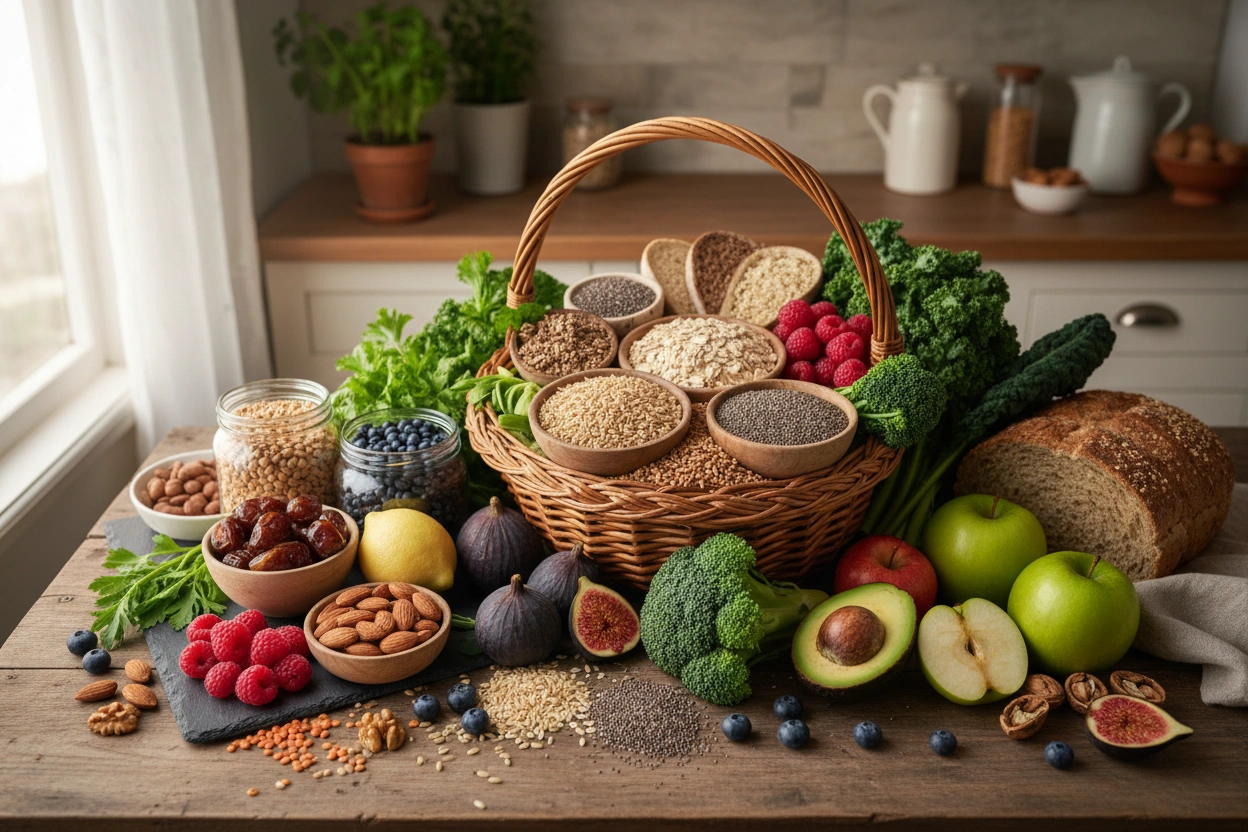
Fiber is a type of carbohydrate that our bodies cannot digest. It plays a crucial role in maintaining digestive health by promoting regular bowel movements, preventing constipation, and helping to maintain a healthy gut microbiome. There are two types of dietary fiber: soluble and insoluble. Soluble fiber dissolves in water and can help lower cholesterol and regulate blood sugar levels, while insoluble fiber adds bulk to the stool and aids in moving food through the digestive tract.
Despite its importance, many individuals do not consume enough fiber daily. The recommended daily intake is approximately 25 grams for women and 38 grams for men. However, most people fall short of these guidelines. Incorporating a variety of fiber-rich foods into your diet is essential for achieving optimal digestive health and preventing gastrointestinal disorders.
Top Fiber-Rich Foods to Include in Your Diet
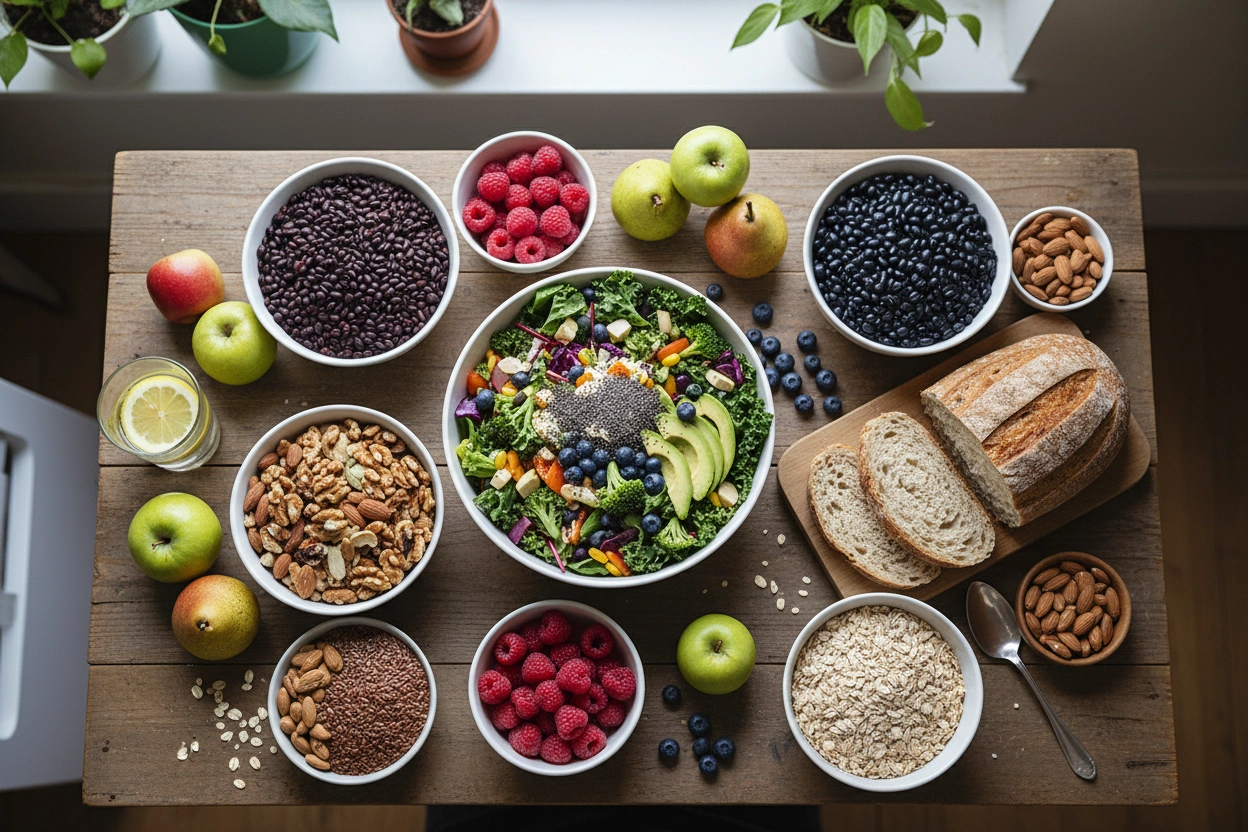
Here are ten surprising fiber-rich foods for digestive health that you may not have considered before:
1. Chia Seeds
Chia seeds are tiny, nutrient-dense seeds that pack a significant fiber punch. They contain both soluble and insoluble fiber, making them an excellent addition to your diet. Just two tablespoons of chia seeds provide around 10 grams of fiber.
- How to Use: Add chia seeds to smoothies, yogurt, or oatmeal. They can also be used to create a delicious chia pudding by soaking them in milk or a dairy alternative.
2. Artichokes
Artichokes are not only a gourmet delicacy but also a fantastic source of fiber. One medium artichoke contains about 10 grams of fiber, primarily in the form of inulin, a prebiotic that supports gut health.
- How to Use: Roast or steam artichokes and serve them with a healthy dip. You can also chop them and add them to salads for an extra fiber boost.
3. Quinoa
Quinoa is often celebrated as a superfood, and for good reason. This ancient grain is not only high in protein but also contains approximately 5 grams of fiber per cooked cup.
- How to Use: Use quinoa as a base for salads, bowls, or even in place of rice. Its nutty flavor complements a variety of dishes.
4. Avocado
Avocados are rich in healthy fats, but they are also a great source of fiber. One medium avocado provides around 10 grams of fiber, primarily soluble fiber, which helps regulate digestion.
- How to Use: Spread avocado on whole-grain toast, add it to smoothies, or incorporate it into salads for a creamy texture.
5. Raspberries
Raspberries are not only delicious but are also one of the highest-fiber fruits available, with about 8 grams of fiber per cup. They are rich in antioxidants and other essential nutrients.
- How to Use: Enjoy raspberries fresh, add them to cereals or yogurt, or blend them into smoothies for a sweet and healthy treat.
6. Lentils
Lentils are a powerhouse of nutrition, providing an impressive 15.6 grams of fiber per cooked cup. They are also an excellent source of plant-based protein and iron.
- How to Use: Incorporate lentils into soups, stews, or salads. They can also be used as a meat substitute in various recipes, including lentil burgers.
7. Brussels Sprouts
Brussels sprouts are often overlooked but are a fantastic source of fiber, containing about 4 grams per cup. They are also high in vitamins and minerals.
- How to Use: Roast Brussels sprouts with olive oil and seasoning for a flavorful side dish, or shred them and toss them into salads.
8. Blackberries
Similar to raspberries, blackberries are another fiber-rich fruit, offering around 7 grams of fiber per cup. They are also low in calories, making them a great snack option.
- How to Use: Enjoy blackberries raw, blend them into smoothies, or use them to top your favorite desserts.
9. Split Peas
Split peas are an excellent source of dietary fiber, providing about 16.3 grams per cooked cup. They are also a great source of protein and can help keep you feeling full.
- How to Use: Make a hearty split pea soup or incorporate them into salads and grain bowls for added texture and nutrition.
10. Whole Grain Pasta
While many people think of pasta as a low-fiber food, whole grain pasta is an excellent alternative that can provide up to 6 grams of fiber per serving.
- How to Use: Swap regular pasta for whole grain varieties in your favorite pasta dishes. Pair it with fiber-rich vegetables and sauces for a balanced meal.
Incorporating Fiber-Rich Foods into Your Diet
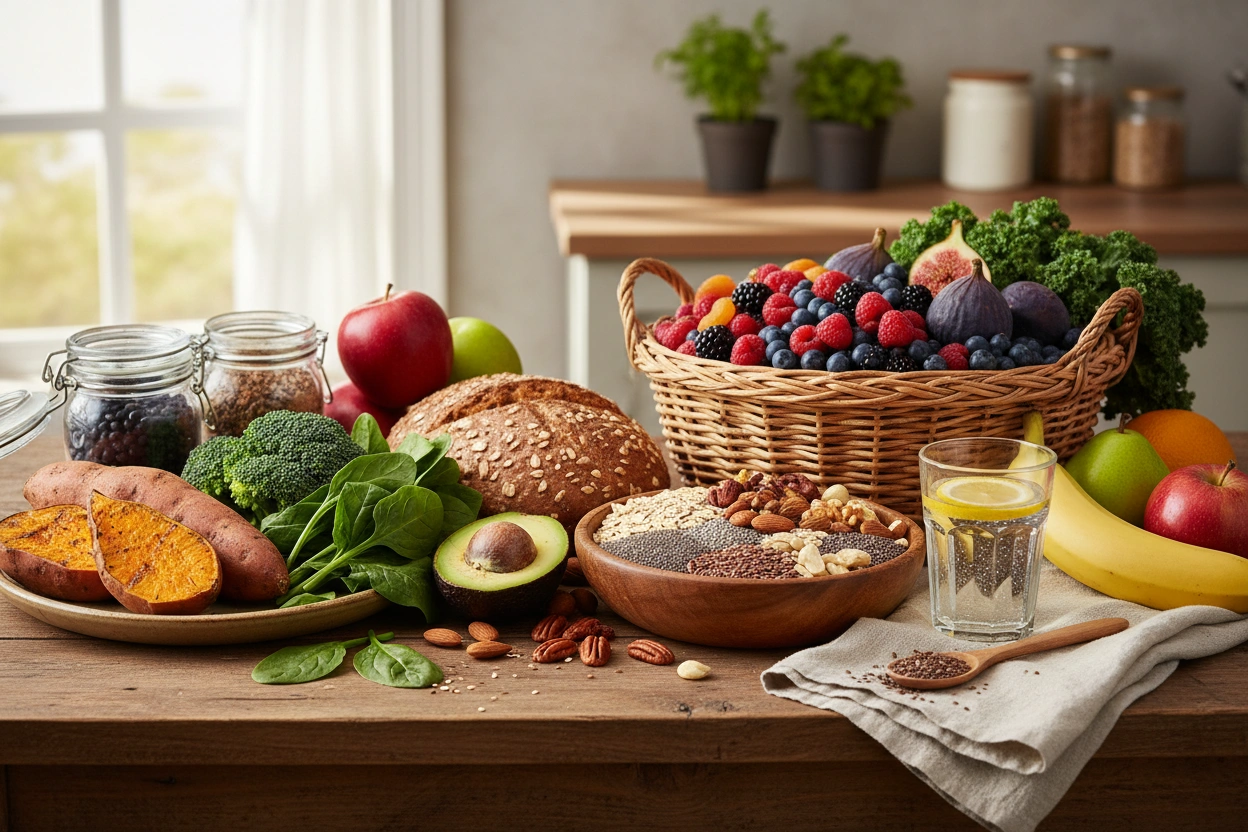
Adding fiber-rich foods for digestive health into your diet can be simple and enjoyable. Here are some practical tips to ensure you meet your daily fiber intake:
Start Slow
If you are not used to consuming high-fiber foods, introduce them gradually to avoid digestive discomfort. Increase your fiber intake over a week or two, allowing your gut time to adjust.
Stay Hydrated
Drinking plenty of water is essential when increasing fiber consumption. Fiber absorbs water, so adequate hydration helps prevent constipation and supports digestive health.
Mix and Match
Combine different fiber-rich foods in your meals for variety. For instance, create a salad with quinoa, black beans, and a mix of colorful vegetables. This not only enhances flavor but also maximizes fiber intake.
Read Labels
When purchasing packaged foods, check the nutrition labels for fiber content. Look for options that contain at least 3 grams of fiber per serving to ensure you are making healthy choices.
Meal Planning
Plan your meals around fiber-rich foods. Incorporate a variety of fruits, vegetables, whole grains, and legumes into your weekly menu. This not only helps with meal variety but also ensures you consistently meet your fiber goals.
Common Misconceptions About Fiber
Despite the numerous benefits of fiber, several misconceptions persist regarding its consumption and effects on health. Here are a few common myths:
Myth: All Fiber is the Same
Not all fiber is created equal. While both soluble and insoluble fiber are beneficial, they serve different functions in the body. Soluble fiber helps regulate blood sugar and cholesterol, while insoluble fiber promotes regular bowel movements.
Myth: Fiber Supplements are Just as Good as Whole Foods
While fiber supplements can help increase fiber intake, they often lack the additional nutrients found in whole foods. Whole foods provide vitamins, minerals, and antioxidants that are essential for overall health.
Myth: High-Fiber Diets Always Cause Gas and Bloating
While increasing fiber intake can lead to temporary gas and bloating, these symptoms often subside as the body adjusts. Gradual introduction of fiber-rich foods can help mitigate these effects.
The Intersection of Fiber and Overall Health
Incorporating fiber-rich foods for digestive health not only supports gut function but also contributes to overall well-being. A diet high in fiber has been linked to a reduced risk of chronic diseases such as heart disease, diabetes, and certain cancers. Additionally, fiber-rich diets can aid in weight management by promoting satiety and reducing overall caloric intake.
In summary, exploring new fiber-rich foods can significantly enhance your digestive health and overall quality of life. With the diverse options available, incorporating these foods into your diet can be both enjoyable and beneficial.
Empower Your Digestive Health with FlowWell
Understanding the importance of fiber-rich foods for digestive health is just the beginning. By integrating these ten surprising foods into your meals, you can enhance your digestion and overall health.
If you are looking for additional support in your journey towards better health, consider exploring what FlowWell — Finally Feel Good on Your GLP can offer. By focusing on gut health, FlowWell can help you implement these dietary changes effectively.
Take the first step towards feeling your best today. Visit FlowWell — Finally Feel Good on Your GLP to learn more about how you can improve your digestive health through fiber-rich foods and a balanced diet.