Best Over-the-Counter Remedies: What Can I Take for GLP1 Constipation
Discover effective OTC remedies for GLP-1 constipation. Learn what can I take for GLP1 constipation and regain your comfort today.
Best Over-the-Counter Remedies: What Can I Take for GLP1 Constipation
Constipation is a common issue that many individuals face, particularly those who are using GLP-1 receptor agonists such as Ozempic. While these medications are effective for managing type 2 diabetes and aiding weight loss, they can also lead to gastrointestinal side effects, including constipation. Understanding what can be done to alleviate this discomfort is crucial for maintaining overall well-being. This article provides a comprehensive guide to easing constipation caused by Ozempic, including effective over-the-counter remedies and lifestyle modifications.
Understanding GLP-1 and Its Impact on Digestion
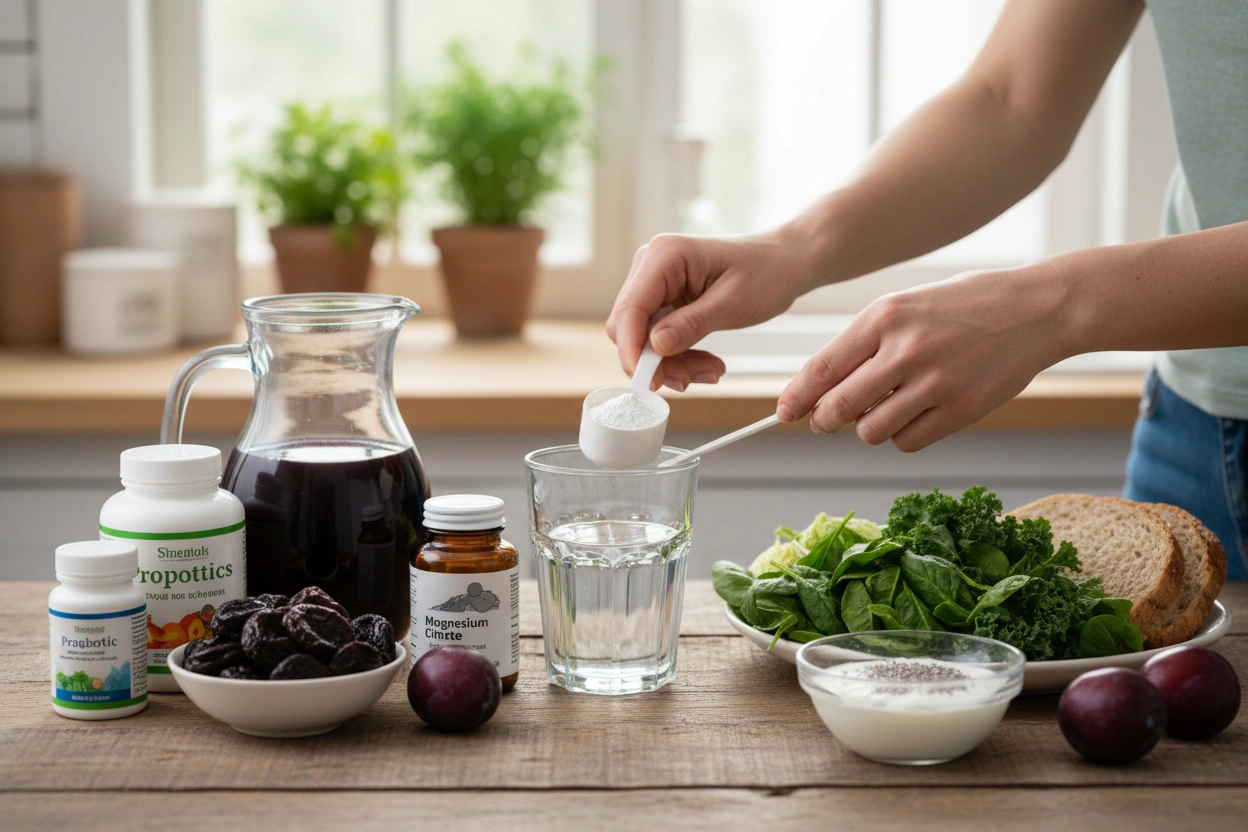
What is GLP-1?
Glucagon-like peptide-1 (GLP-1) is a hormone that plays a vital role in regulating blood sugar levels. It stimulates insulin secretion, inhibits glucagon release, and slows gastric emptying, which is beneficial for individuals with type 2 diabetes. Medications like Ozempic mimic the effects of GLP-1, making them effective tools for managing diabetes and promoting weight loss.
Why Does Ozempic Cause Constipation?
While GLP-1 receptor agonists offer numerous benefits, they can also slow down the digestive process, leading to constipation. The delay in gastric emptying can cause food to remain in the stomach longer than usual, resulting in discomfort and irregular bowel movements. Recognizing the connection between Ozempic and constipation is the first step toward finding effective relief.
Identifying Symptoms of Constipation
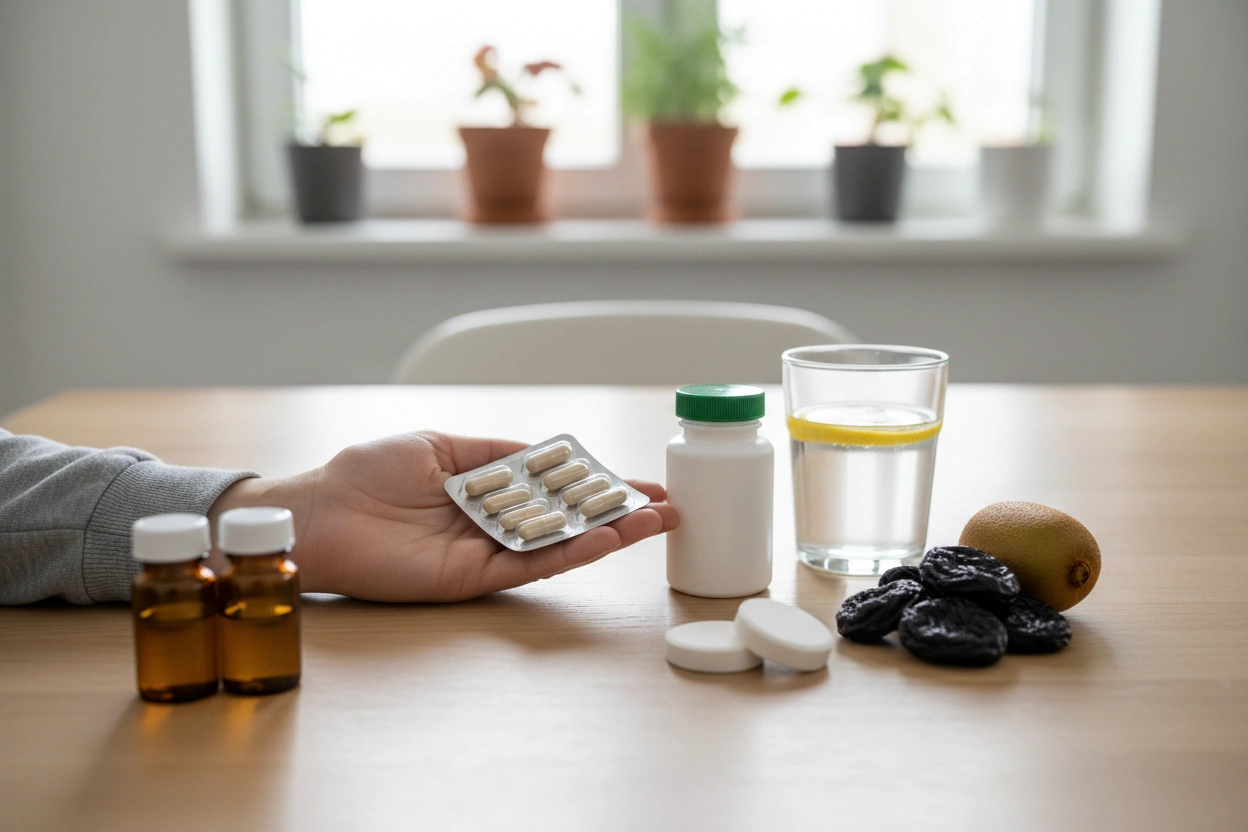
Constipation is characterized by several symptoms, which can vary in severity. Common indicators include:
- Infrequent bowel movements (fewer than three times a week)
- Hard or lumpy stools
- Straining during bowel movements
- A feeling of incomplete evacuation
- Abdominal discomfort or bloating
If you are experiencing these symptoms while taking Ozempic, it is essential to address them promptly to maintain digestive health.
What Can I Take for GLP1 Constipation?
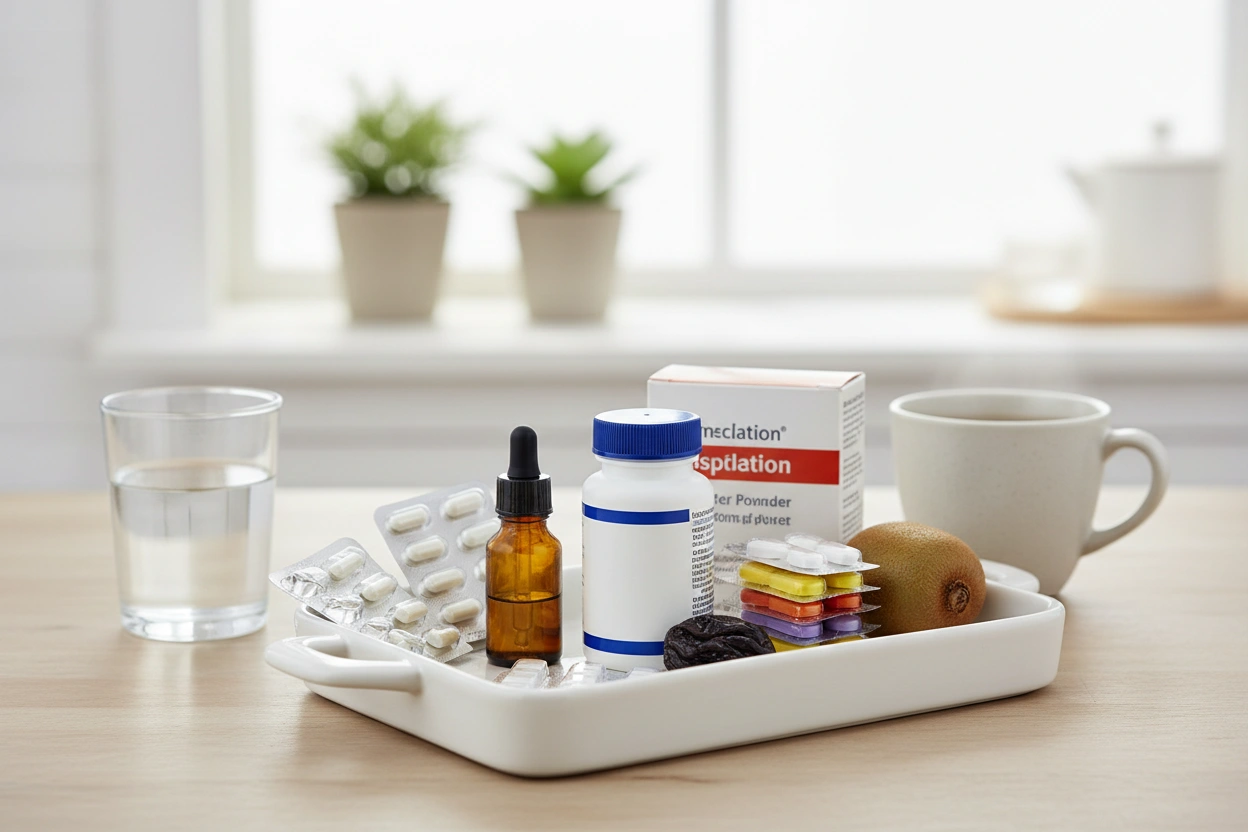
When considering over-the-counter remedies for GLP-1-induced constipation, it's important to choose options that are effective and safe. Below are some of the best remedies available:
1. Fiber Supplements
Fiber supplements can significantly improve bowel regularity by adding bulk to the stool, making it easier to pass. Consider these options:
- Psyllium husk: This soluble fiber absorbs water and forms a gel-like substance, which can help soften stools.
- Methylcellulose: A non-allergenic option that adds bulk without fermenting in the gut, reducing gas production.
- Wheat dextrin: A soluble fiber that can be mixed into beverages or foods.
2. Osmotic Laxatives
Osmotic laxatives work by drawing water into the intestines, which can help soften stools and promote bowel movements. Popular options include:
- Polyethylene glycol (Miralax): A widely used osmotic laxative that is gentle and effective.
- Lactulose: A synthetic sugar that draws water into the colon, making stools easier to pass.
- Sorbitol: A sugar alcohol that can also serve as an osmotic laxative.
3. Stool Softeners
Stool softeners help to moisten and soften stools, making them easier to pass without straining. One commonly used stool softener is:
- Docusate sodium (Colace): This medication allows water and fats to penetrate the stool, easing its passage.
4. Herbal Remedies
Some herbal remedies can provide relief from constipation, though it's essential to consult with a healthcare provider before use. Consider:
- Senna: A natural laxative derived from the senna plant that stimulates bowel movements.
- Aloe vera: Known for its soothing properties, aloe vera can also act as a laxative.
Lifestyle Changes to Alleviate Constipation
In addition to over-the-counter remedies, certain lifestyle modifications can help alleviate constipation associated with GLP-1 medications. Here are some actionable tips:
Hydration
Staying well-hydrated is crucial for maintaining healthy bowel function. Aim to drink at least eight 8-ounce glasses of water each day. Proper hydration helps keep stools soft and facilitates their passage through the intestines.
Diet Adjustments
Incorporating high-fiber foods into your diet can enhance bowel regularity. Consider adding:
- Fruits such as apples, pears, and berries
- Vegetables like broccoli, carrots, and leafy greens
- Whole grains such as oats, brown rice, and whole wheat bread
- Legumes, including beans, lentils, and chickpeas
Regular Physical Activity
Engaging in regular physical activity can stimulate digestion and promote bowel movements. Aim for at least 150 minutes of moderate-intensity exercise each week, which can include activities such as walking, cycling, or swimming.
Establishing a Routine
Setting a regular time for bowel movements can help train your body to maintain consistent habits. Consider dedicating a few minutes each day, preferably after meals, to allow your body the opportunity to respond.
Common Mistakes to Avoid
When dealing with constipation, especially related to GLP-1 medications, there are several common mistakes to avoid:
Over-Reliance on Laxatives
While laxatives can provide relief, relying on them too frequently can lead to dependency and worsen constipation over time. Use them sparingly and focus on long-term dietary and lifestyle changes.
Ignoring the Signs
Ignoring symptoms of constipation can lead to more severe complications, such as bowel obstruction or hemorrhoids. If you experience persistent symptoms, consult a healthcare professional for guidance.
Not Seeking Professional Advice
If over-the-counter remedies do not provide relief, or if you experience severe abdominal pain or other concerning symptoms, it is essential to seek medical advice. A healthcare provider can offer tailored solutions based on individual health needs.
The Importance of Consulting with a Healthcare Provider
Before starting any new medication or supplement to address GLP-1 constipation, it is crucial to consult with a healthcare provider. They can evaluate your overall health, review your current medications, and recommend appropriate treatments tailored to your specific situation.
The Intersection of GLP-1 Constipation and Natural Remedies
The relationship between GLP-1 medications and constipation can be challenging for many. However, with the right knowledge and tools, it is possible to manage this side effect effectively. By understanding what can be taken for GLP-1 constipation and implementing dietary changes, individuals can maintain their health and comfort.
For those seeking additional support, consider exploring solutions offered by FlowWell — Finally Feel Good on Your GLP. This resource provides valuable insights and products designed to enhance digestive health and well-being.
Final Thoughts on Managing GLP-1 Constipation
Managing GLP-1-induced constipation requires a multifaceted approach, combining over-the-counter remedies, dietary changes, and lifestyle adjustments. By understanding what can be taken for GLP-1 constipation, individuals can find effective relief and maintain their quality of life.
If you are looking for additional support and resources, visit FlowWell — Finally Feel Good on Your GLP. The right guidance can make all the difference in achieving digestive wellness and overall health.