Comparing GLP-1 and GLP-2: Which Is Better for Hormonal Balance?
Explore the difference between GLP-1 and GLP-2 and their roles in hormonal balance, diabetes management, and appetite regulation.
Comparing GLP-1 and GLP-2: Which Is Better for Hormonal Balance?
The realm of hormonal balance is a complex one, influenced by various factors including diet, lifestyle, and medications. Among the medications that have gained attention for their role in regulating hormones are GLP-1 and GLP-2 analogs. Understanding the difference between GLP-1 and GLP-2 is essential for anyone considering these treatments for issues such as diabetes management, appetite regulation, and metabolic health. In this article, we will delve into the distinctions between GLP-1 and GLP-2, examine the top GLP-1 medications like Ozempic and Wegovy, and explore their roles in promoting hormonal balance.
Understanding GLP-1 and GLP-2

What is GLP-1?
GLP-1, or Glucagon-Like Peptide-1, is an incretin hormone produced in the intestines. It plays a crucial role in glucose metabolism by stimulating insulin secretion in response to meals, inhibiting glucagon release, and slowing gastric emptying. These functions make GLP-1 a valuable target in treating type 2 diabetes and obesity.
Research indicates that GLP-1 can improve glycemic control and promote weight loss, making it an attractive option for individuals struggling with these conditions. The medications that mimic GLP-1, known as GLP-1 receptor agonists, have been shown to reduce the risk of cardiovascular events in patients with diabetes, adding another layer of benefit.
What is GLP-2?
GLP-2, or Glucagon-Like Peptide-2, is another incretin hormone that is also derived from the intestines. Its primary function is to promote intestinal health and enhance nutrient absorption. Unlike GLP-1, GLP-2 does not have a direct role in glucose metabolism; instead, it helps regulate gut function, promoting intestinal growth and repair.
GLP-2 is particularly important in conditions that affect nutrient absorption, such as short bowel syndrome. By enhancing the integrity of the intestinal lining and promoting the growth of intestinal cells, GLP-2 can significantly improve the quality of life for individuals with these gastrointestinal issues.
Key Differences Between GLP-1 and GLP-2
To summarize, here are the key differences between GLP-1 and GLP-2:
- Function: GLP-1 primarily regulates blood sugar levels and appetite, whereas GLP-2 focuses on gut health and nutrient absorption.
- Therapeutic Use: GLP-1 receptor agonists are widely used in diabetes and obesity treatment, while GLP-2 is more relevant for gastrointestinal disorders.
- Mechanism of Action: GLP-1 increases insulin secretion and reduces appetite, while GLP-2 enhances intestinal growth and nutrient absorption.
Understanding these differences is crucial for individuals seeking to manage their hormonal balance effectively.
Top GLP-1 Medications: Ozempic and Wegovy

Ozempic
Ozempic, a popular GLP-1 receptor agonist, has gained significant attention for its effectiveness in managing type 2 diabetes and aiding weight loss. The active ingredient in Ozempic is semaglutide, which mimics the action of GLP-1 in the body.
Mechanism of Action: Ozempic works by stimulating insulin secretion from the pancreas when blood sugar levels are high, inhibiting glucagon release, and slowing gastric emptying. This multi-faceted approach helps to lower blood sugar levels and control appetite.
Benefits: Clinical trials have shown that Ozempic can lead to substantial weight loss, with participants losing an average of 15% of their body weight over 68 weeks. Additionally, it has been associated with a reduced risk of major cardiovascular events, making it an attractive option for individuals with comorbidities.
Administration: Ozempic is administered as a once-weekly injection, which can enhance adherence compared to daily medications.
Wegovy
Wegovy, also containing semaglutide, is specifically approved for chronic weight management in adults with obesity. It shares several similarities with Ozempic but is tailored towards weight loss.
Mechanism of Action: Like Ozempic, Wegovy mimics GLP-1 to regulate appetite and energy expenditure. It signals the brain to reduce hunger and increase feelings of fullness, effectively helping individuals manage their weight.
Benefits: In clinical studies, participants taking Wegovy lost an average of 15% to 20% of their body weight over 68 weeks, showcasing its efficacy as a weight-loss medication. It also has a favorable safety profile, with gastrointestinal side effects being the most common.
Administration: Wegovy is also given via a once-weekly injection, making it convenient for users.
Common Misconceptions About GLP-1 and GLP-2
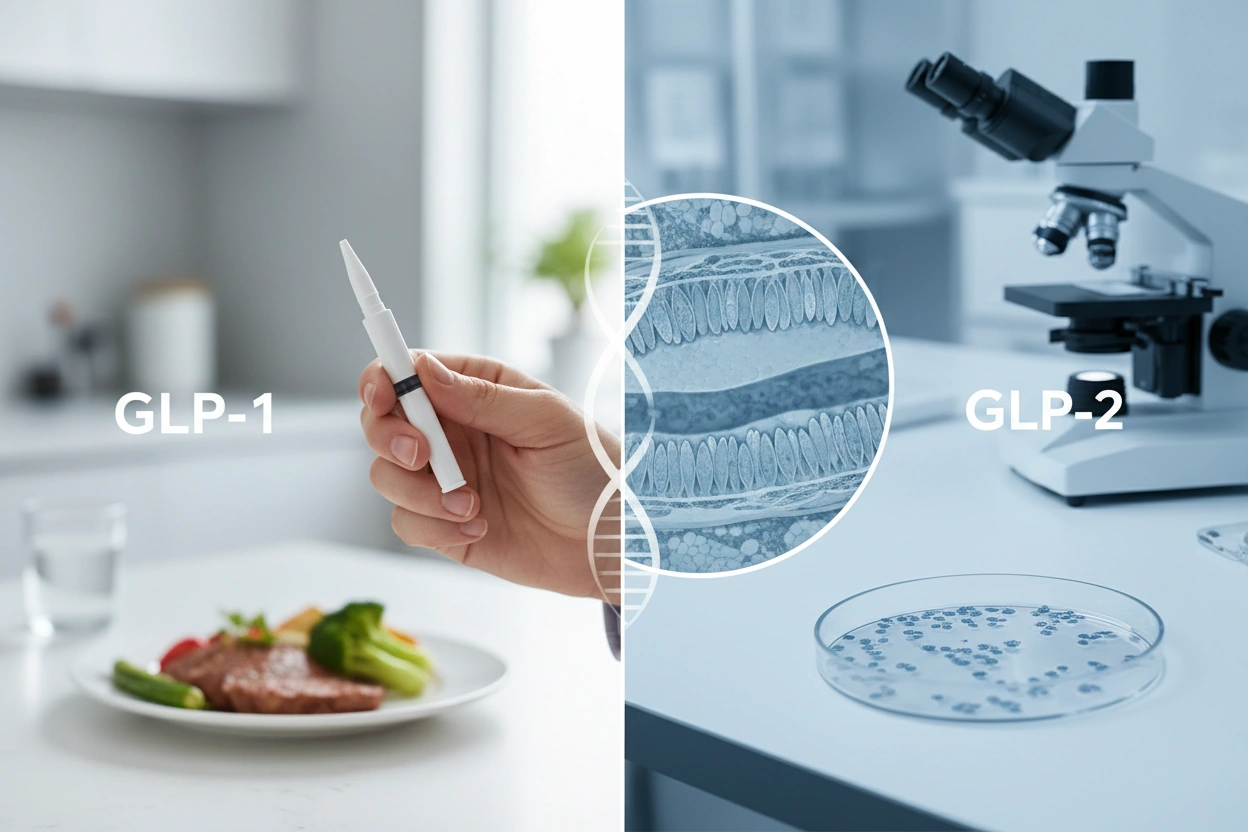
Misconception 1: GLP-1 and GLP-2 Are Interchangeable
One of the most prevalent misconceptions is that GLP-1 and GLP-2 serve the same purpose. While both are incretin hormones, their functions are distinct. GLP-1 primarily regulates glucose metabolism and appetite, while GLP-2 focuses on gut health and nutrient absorption. Understanding this difference can help individuals make informed decisions about their treatment options.
Misconception 2: All GLP-1 Medications Are the Same
Another common misunderstanding is that all GLP-1 medications provide the same benefits and work in the same way. While they share a similar mechanism of action, different GLP-1 receptor agonists can have varying effects on weight loss, cardiovascular health, and side effects. It is crucial to consult with a healthcare provider to determine the most suitable medication based on individual health needs.
Tips for Choosing Between GLP-1 and GLP-2 Treatments
When considering treatment options, here are some essential tips:
Consult a Healthcare Professional: Always discuss your health history and treatment goals with a healthcare provider. They can help you determine whether a GLP-1 or GLP-2 medication is appropriate for your specific needs.
Evaluate Your Health Goals: Identify your primary health goals, whether they involve weight loss, blood sugar management, or improving gastrointestinal health. This focus will guide your treatment choice.
Monitor Side Effects: Be aware of potential side effects associated with GLP-1 medications, such as nausea or gastrointestinal discomfort. Keeping track of your body's response will help you and your healthcare provider make any necessary adjustments.
Lifestyle Considerations: Consider your lifestyle and how it may impact your treatment regimen. For example, if you prefer a medication with less frequent dosing, GLP-1 options like Ozempic and Wegovy may be more suitable.
Stay Informed: Keep abreast of new research and developments in GLP-1 and GLP-2 treatments. Continuous learning can empower you to make informed decisions about your health.
The Role of Hormonal Balance in Overall Health
Maintaining hormonal balance is essential for overall health and well-being. Hormones regulate various bodily functions, including metabolism, appetite, mood, and energy levels. Disruptions in hormonal balance can lead to a range of health issues, including obesity, diabetes, and gastrointestinal disorders.
Importance of GLP-1 and GLP-2 in Hormonal Balance
The difference between GLP-1 and GLP-2 is critical in understanding how they contribute to hormonal balance. GLP-1's role in regulating blood sugar and appetite is vital for preventing obesity and managing diabetes, while GLP-2's influence on gut health can significantly affect nutrient absorption and overall digestive wellness.
Incorporating medications like Ozempic and Wegovy into a comprehensive health plan can be an effective strategy for individuals looking to achieve hormonal balance. However, it is essential to pair these medications with lifestyle changes, such as adopting a balanced diet and engaging in regular physical activity, to maximize their benefits.
The Intersection of GLP-1 and GLP-2 in Hormonal Balance
Navigating the complexities of hormonal balance can be challenging, but understanding the difference between GLP-1 and GLP-2 provides valuable insights. While GLP-1 receptor agonists like Ozempic and Wegovy are effective tools for managing blood sugar and weight, GLP-2 plays a critical role in maintaining gut health.
By recognizing the unique benefits of each hormone, individuals can make informed decisions about their health strategies. Working with healthcare professionals to develop a personalized approach that incorporates both GLP-1 and GLP-2 insights can lead to improved outcomes.
To further support your journey towards hormonal balance, consider exploring how FlowWell — Finally Feel Good on Your GLP can assist you in optimizing your health. In conclusion, understanding the difference between GLP-1 and GLP-2 can empower you to make informed decisions about your hormonal health. Whether you are considering medications like Ozempic and Wegovy or simply looking to enhance your overall wellness, the right knowledge and support can make all the difference.
For personalized guidance and to learn more about how to achieve hormonal balance, visit FlowWell — Finally Feel Good on Your GLP today.