GLP-1 vs GLP-2: Understanding Their Unique Benefits for Digestive Health
Explore the difference between GLP-1 and GLP-2 and their unique benefits for digestive health and metabolic regulation.
GLP-1 vs GLP-2: Understanding Their Unique Benefits for Digestive Health
The realm of gastrointestinal health has witnessed remarkable advancements, particularly with the discovery and application of glucagon-like peptides (GLPs). Among these, GLP-1 and GLP-2 stand out as pivotal players in digestive health and metabolic regulation. understanding the difference between GLP-1 and GLP-2 is crucial for healthcare professionals, researchers, and individuals interested in optimizing their digestive health. This article delves into the unique benefits of these peptides, their mechanisms of action, and how they affect weight loss and metabolism.
The Role of GLP-1 and GLP-2 in the Body
What is GLP-1?
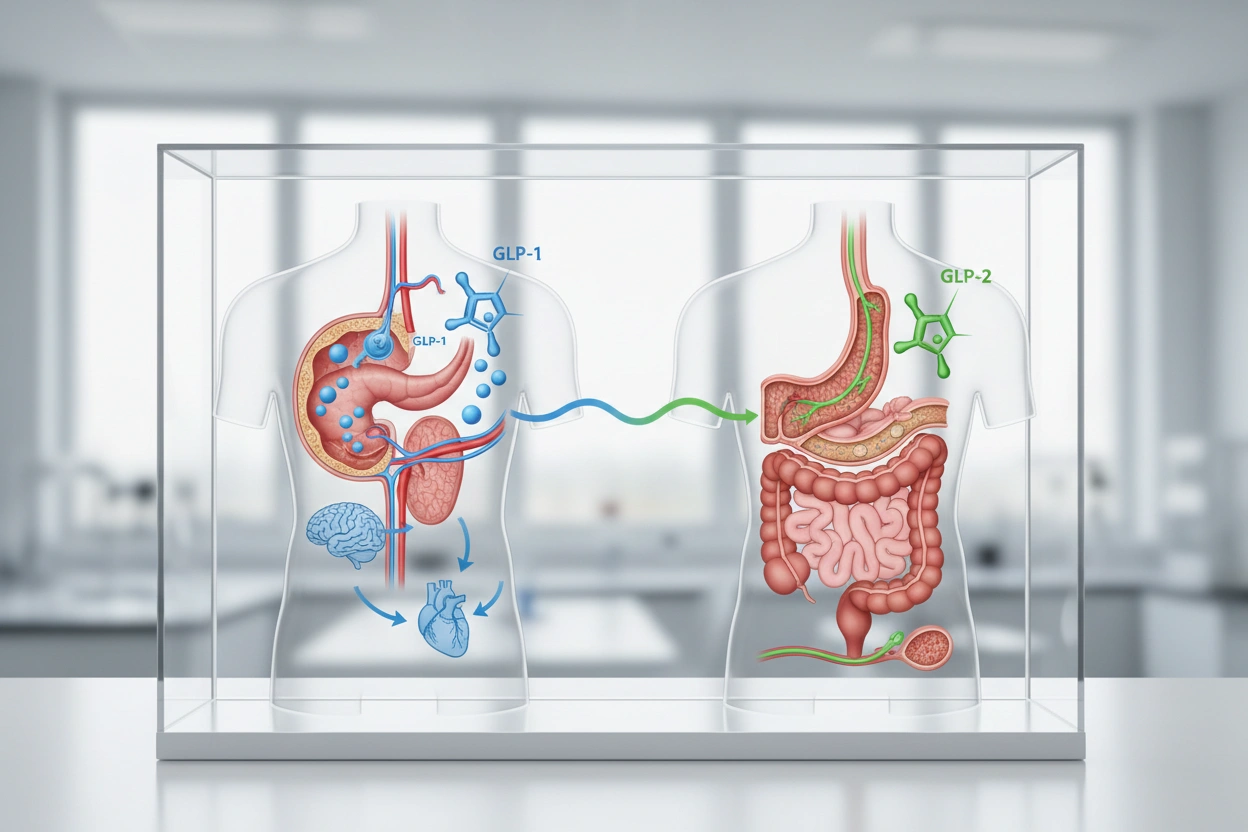
GLP-1, or glucagon-like peptide-1, is a hormone produced in the intestines in response to food intake. It is classified as an incretin, which means it enhances insulin secretion in a glucose-dependent manner. Beyond its role in insulin regulation, GLP-1 plays a significant part in appetite suppression and gastric emptying. This peptide has gained considerable attention due to its use in treating type 2 diabetes and obesity, notably through GLP-1 receptor agonists.
What is GLP-2?
In contrast, GLP-2, or glucagon-like peptide-2, is primarily involved in intestinal growth and function. It promotes nutrient absorption, enhances intestinal motility, and has protective effects on the gut lining. GLP-2 is particularly important in conditions where intestinal integrity is compromised, such as short bowel syndrome. Understanding the distinct roles of these peptides is crucial for recognizing their therapeutic potentials.
The Difference Between GLP-1 and GLP-2
Mechanisms of Action
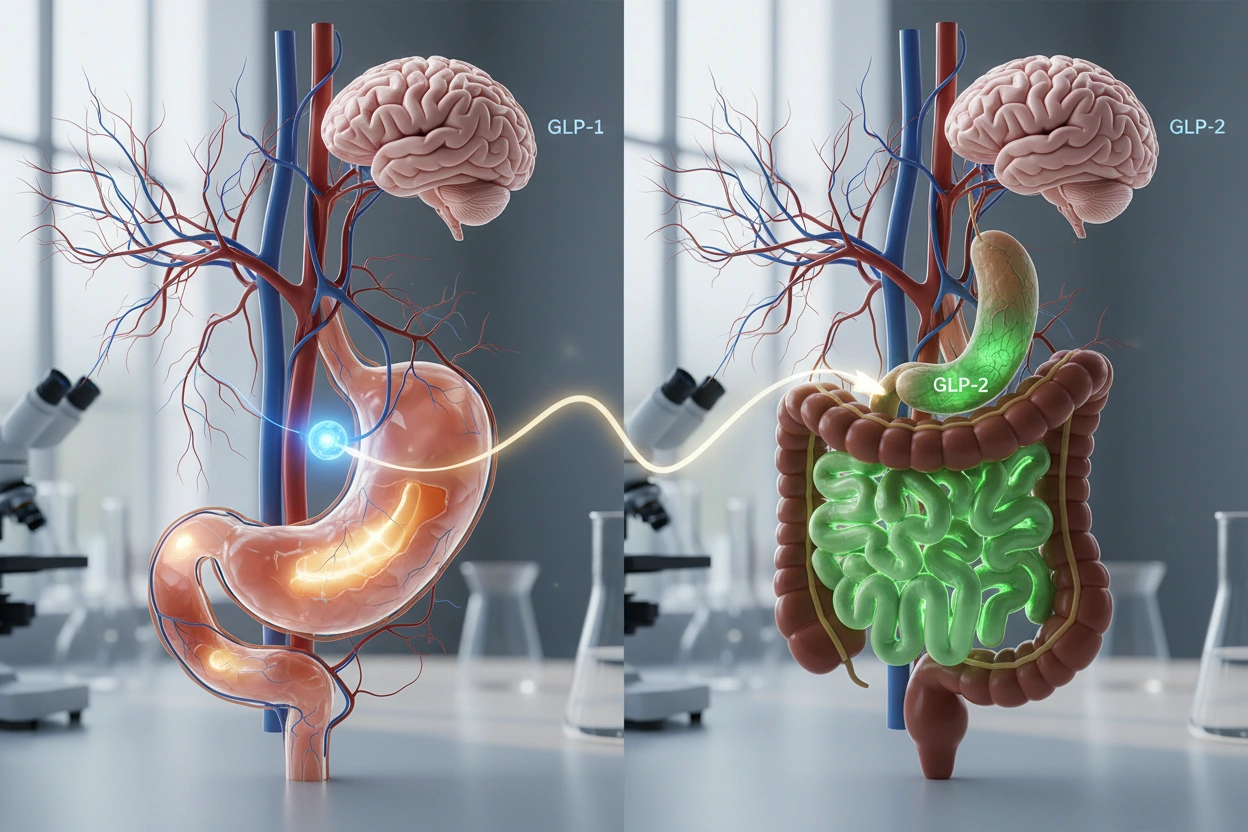
The difference between GLP-1 and GLP-2 can be understood through their mechanisms of action:
GLP-1:
- Stimulates insulin secretion from pancreatic beta cells
- Inhibits glucagon secretion, thereby reducing blood glucose levels
- Slows gastric emptying, which contributes to increased satiety
GLP-2:
- Enhances intestinal growth and function
- Improves nutrient absorption and gut barrier function
- Reduces intestinal motility, which can be beneficial in certain gastrointestinal disorders
These distinct mechanisms highlight how each peptide contributes differently to metabolic processes and digestive health.
Clinical Applications
The clinical applications of GLP-1 and GLP-2 further illustrate their differences:
GLP-1 is primarily used in the treatment of:
- Type 2 diabetes through GLP-1 receptor agonists, such as liraglutide and semaglutide, which help manage blood sugar levels and promote weight loss.
- Obesity management due to its appetite-suppressing effects.
GLP-2, on the other hand, is explored for:
- Treating conditions like short bowel syndrome, where enhancing intestinal absorption is crucial.
- Potential applications in inflammatory bowel disease and other gastrointestinal disorders.
These clinical applications underline the importance of understanding the specific benefits of GLP-1 and GLP-2.
How GLP-1 and GLP-2 Affect Weight Loss and Metabolism

The Weight Loss Connection of GLP-1
GLP-1's role in weight management cannot be overstated. Research has demonstrated that GLP-1 receptor agonists significantly contribute to weight loss in patients with obesity. The mechanisms include:
- Appetite suppression: GLP-1 signaling in the brain reduces hunger and increases satiety, leading to decreased caloric intake.
- Enhanced energy expenditure: Studies suggest that GLP-1 may increase energy expenditure, further aiding in weight loss.
- Improved insulin sensitivity: By enhancing insulin action, GLP-1 helps to regulate glucose metabolism and may prevent fat accumulation.
The effectiveness of GLP-1 receptor agonists in promoting weight loss has been a breakthrough in obesity management, making them a key focus in metabolic health research.
GLP-2's Role in Metabolism
While GLP-2 is not primarily associated with weight loss, its role in metabolism is significant. GLP-2 supports:
- Nutrient absorption: By enhancing the gut's absorptive capacity, GLP-2 ensures that the body efficiently utilizes nutrients, which is particularly beneficial in individuals with malabsorption issues.
- Gut health: By promoting the health of the intestinal lining, GLP-2 may prevent gastrointestinal disorders that can disrupt metabolic processes.
In summary, while GLP-1 is directly linked to weight loss and appetite regulation, GLP-2 plays a supportive role in ensuring optimal nutrient metabolism and gut health.
Common Misconceptions About GLP-1 and GLP-2
Misconception 1: GLP-1 and GLP-2 are Interchangeable
One common misconception is that GLP-1 and GLP-2 can be used interchangeably. While they share some similarities in their origins and structure, their functions and therapeutic applications are distinctly different. Understanding this difference is crucial for effective treatment strategies.
Misconception 2: GLP-1 is Only for Diabetes Treatment
Another misconception is that GLP-1 is solely for diabetes management. While GLP-1 receptor agonists have proven effective in treating type 2 diabetes, they also offer significant benefits for weight loss and cardiovascular health. This versatility highlights the importance of GLP-1 in broader metabolic health contexts.
Misconception 3: GLP-2 is Only for Short Bowel Syndrome
While GLP-2 is crucial for treating short bowel syndrome, its benefits extend to various gastrointestinal disorders. Ongoing research is exploring its potential in inflammatory bowel disease and other conditions where gut health is compromised.
The Future of GLP Research and Therapeutics
Emerging Therapies
As research continues to evolve, new therapeutic applications for GLP-1 and GLP-2 are on the horizon. For GLP-1, ongoing studies are investigating its potential in treating other metabolic disorders, such as non-alcoholic fatty liver disease and cardiovascular diseases. Similarly, GLP-2 is being examined for its role in enhancing gut health beyond short bowel syndrome.
Personalized Medicine
The future of GLP therapies may also lie in personalized medicine. Understanding individual responses to GLP-1 and GLP-2 could lead to tailored treatment plans that optimize metabolic health based on genetic and phenotypic factors.
The Intersection of GLP-1 and GLP-2 in Digestive Health
The difference between GLP-1 and GLP-2 is not just a matter of their individual roles; it also lies in how they can complement each other in promoting digestive health. By leveraging the appetite-suppressing properties of GLP-1 alongside the gut-protective features of GLP-2, healthcare providers can develop comprehensive treatment strategies that address both metabolic and gastrointestinal health. dietary changes help GLP1 constipation go away.
Actionable Insights for Incorporating GLP Therapies
For those looking to optimize their digestive health through GLP therapies, consider the following actionable steps:
- Consult with healthcare professionals to explore the suitability of GLP-1 receptor agonists for weight management and metabolic health.
- Stay informed about emerging research on GLP-2 and its potential applications in enhancing gut health.
- Maintain a balanced diet that supports gut integrity and overall metabolic function, complementing any GLP therapies you may be considering.
Unlocking the Power of GLP with FlowWell
In summary, understanding the difference between GLP-1 and GLP-2 is essential for optimizing digestive health and managing metabolic conditions. The unique benefits of these peptides underscore the importance of targeted therapies in modern medicine. understanding GLP-1 vs GLP-2.
For those seeking to enhance their digestive health, consider exploring how FlowWell — Finally Feel Good on Your GLP can support your journey. By integrating the insights gained from this article, you can take informed steps toward better health. which GLP 1 is best for weight loss.
To learn more and start your journey to improved digestive health, visit FlowWell — Finally Feel Good on Your GLP. Your path to wellness begins with informed choices.