GLP-1 vs GLP-2: What It Means for Your Digestive Health
Explore the difference between GLP-1 and GLP-2 and their impact on digestive health, metabolism, and weight management.
GLP-1 vs GLP-2: What It Means for Your Digestive Health
The landscape of metabolic health is continuously evolving, and understanding the nuances between different hormones can significantly impact our approach to digestive wellness. Among these hormones, GLP-1 and GLP-2 are gaining attention for their critical roles in metabolism and digestive health. the difference between GLP-1 and GLP-2 is not merely academic; it has real implications for weight management, appetite control, and overall digestive function. This article will delve into these differences, explore how each hormone influences weight loss and metabolism, and provide actionable insights for optimizing your digestive health.
Understanding GLP-1 and GLP-2
What is GLP-1?
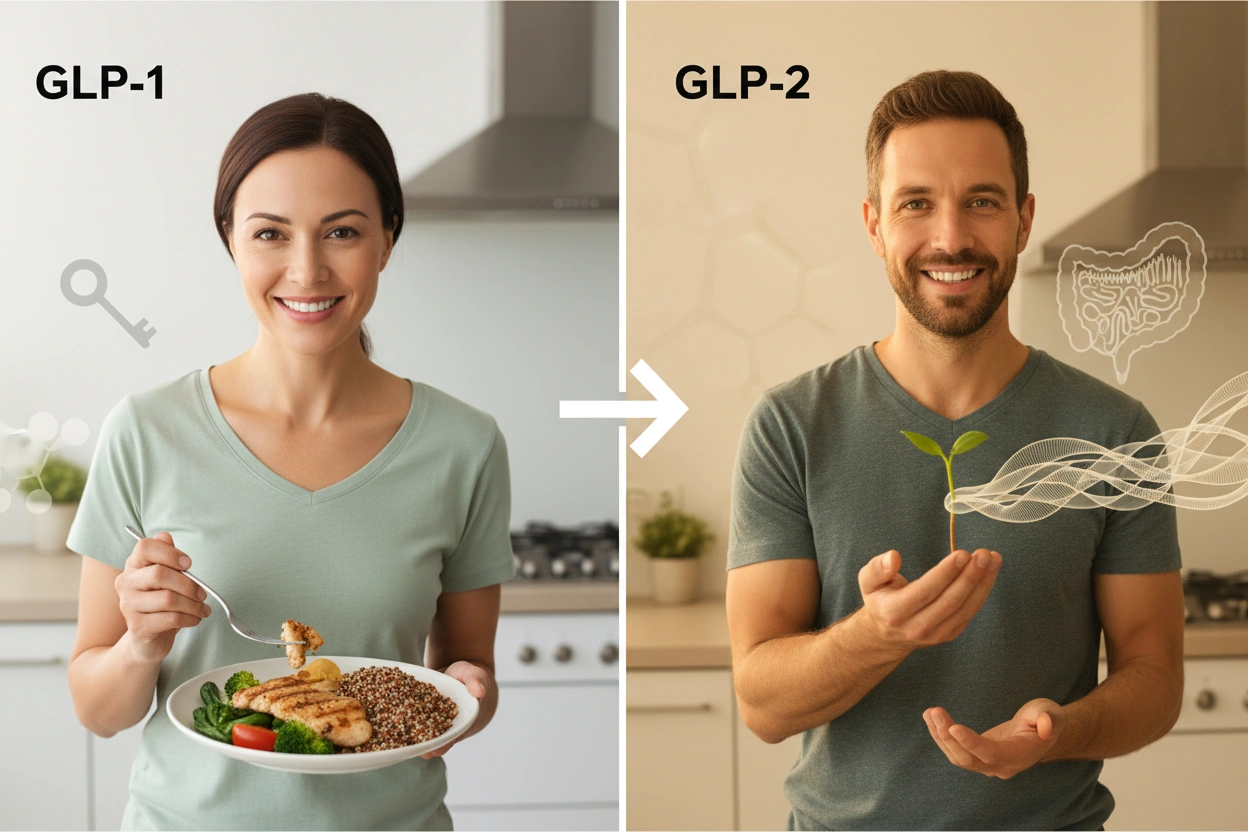
GLP-1, or Glucagon-Like Peptide-1, is an incretin hormone produced in the intestines in response to food intake. Its primary functions include stimulating insulin secretion from the pancreas, inhibiting glucagon release, and reducing gastric emptying. This hormone plays a crucial role in glucose metabolism and appetite regulation. Given its multifaceted role, GLP-1 has become a target for various therapeutic approaches, particularly in managing type 2 diabetes and obesity.
What is GLP-2?
GLP-2, or Glucagon-Like Peptide-2, is also an incretin hormone, but its functions are distinct from those of GLP-1. GLP-2 primarily focuses on enhancing intestinal growth and function. It promotes the proliferation of intestinal epithelial cells, increases nutrient absorption, and improves gut barrier function. While GLP-1 is more associated with glucose regulation, GLP-2 is vital for maintaining a healthy digestive tract and may play a role in conditions like short bowel syndrome.
The Difference Between GLP-1 and GLP-2

Key Functional Differences
The primary difference between GLP-1 and GLP-2 lies in their physiological roles:
GLP-1: Primarily involved in glucose metabolism, insulin secretion, appetite regulation, and weight loss. It reduces food intake and slows gastric emptying, which contributes to its effectiveness in managing blood sugar levels.
GLP-2: Focuses on gut health, promoting intestinal growth, and enhancing nutrient absorption. It is less involved in glucose regulation and more concerned with the structural integrity and function of the gastrointestinal tract.
Mechanisms of Action
The mechanisms through which GLP-1 and GLP-2 operate also differ significantly:
GLP-1 works by binding to GLP-1 receptors located in the pancreas, brain, and gastrointestinal tract. This receptor activation leads to enhanced insulin secretion and reduced appetite. Additionally, GLP-1 receptor agonists are used in pharmacotherapy to help manage diabetes and obesity.
GLP-2 acts primarily on the intestines, where it binds to GLP-2 receptors, promoting intestinal mucosal growth and improving blood flow to the gut. This action enhances nutrient absorption and supports overall digestive health.
How GLP-1 and GLP-2 Affect Weight Loss and Metabolism
The Role of GLP-1 in Weight Management
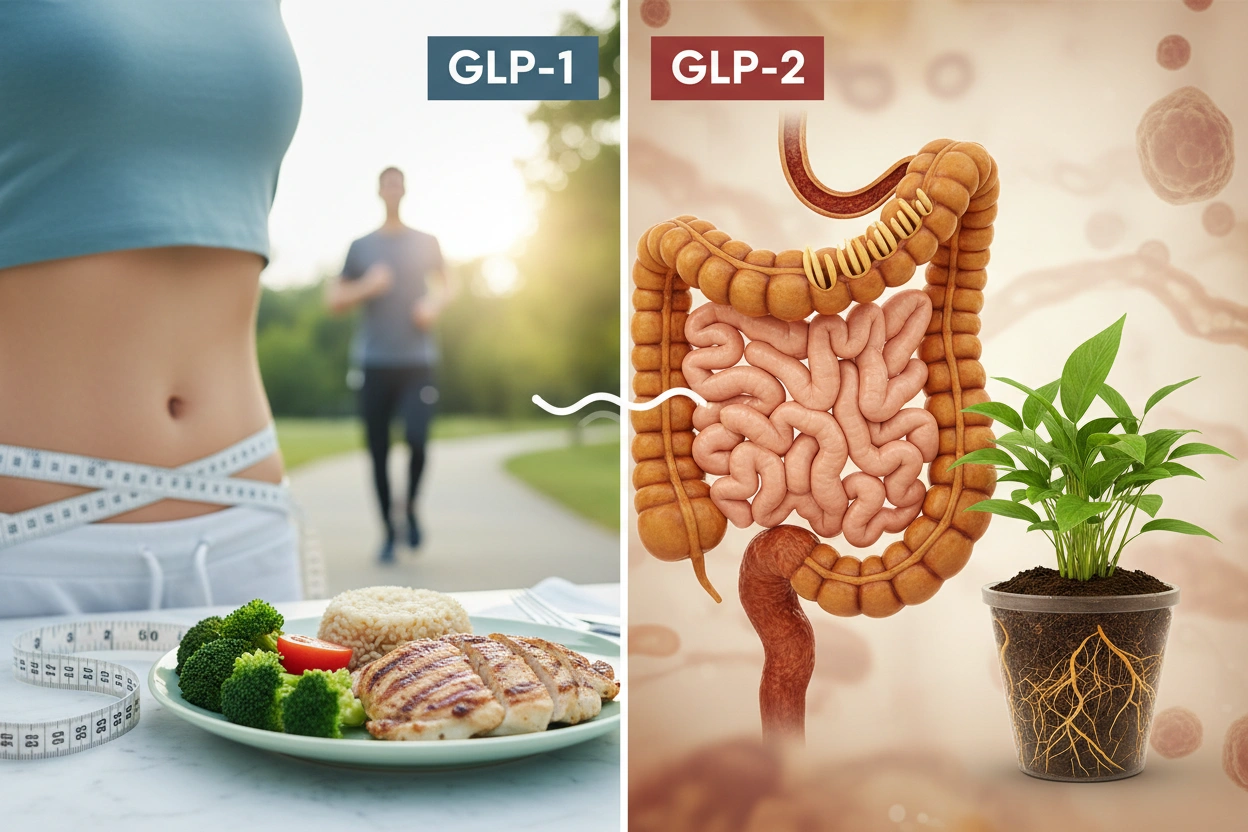
GLP-1 is particularly well-known for its role in weight loss and metabolic health. Research indicates that GLP-1 receptor agonists can lead to significant reductions in body weight in individuals with obesity. These medications work by:
- Reducing appetite and increasing satiety, leading to lower caloric intake.
- Slowing gastric emptying, which prolongs feelings of fullness after meals.
- Enhancing insulin sensitivity, which helps in better glucose utilization.
Several studies have demonstrated the efficacy of GLP-1 receptor agonists like liraglutide and semaglutide in promoting weight loss. For instance, a clinical trial published in the New England Journal of Medicine found that participants receiving semaglutide lost an average of 15% of their body weight over 68 weeks, showcasing the potential of GLP-1 in weight management strategies.
The Impact of GLP-2 on Metabolism
While GLP-2 is not directly involved in weight loss like GLP-1, its role in digestive health is crucial for overall metabolic well-being. By promoting gut health, GLP-2 indirectly supports metabolism through enhanced nutrient absorption. Improved gut function can lead to:
- Better absorption of essential nutrients, which are vital for energy production and metabolic processes.
- Strengthened gut barrier function, which can reduce inflammation and support a healthy immune response.
Emerging research is exploring the therapeutic potential of GLP-2 in conditions like short bowel syndrome, where nutrient absorption is compromised. By enhancing gut function, GLP-2 may help mitigate metabolic disturbances associated with these conditions.
Common Misconceptions About GLP-1 and GLP-2
Misconception 1: GLP-1 and GLP-2 are Interchangeable
One of the most prevalent misconceptions is that GLP-1 and GLP-2 serve the same functions. In reality, while they share structural similarities and are both incretin hormones, their roles in the body are distinct. GLP-1 is primarily involved in glucose metabolism and appetite regulation, whereas GLP-2 focuses on gut health and nutrient absorption.
Misconception 2: GLP-1 is Only for Diabetics
Another common misunderstanding is that GLP-1 receptor agonists are only suitable for individuals with diabetes. While these medications are indeed effective for managing blood sugar levels, they are also beneficial for weight loss in non-diabetic individuals. In recent years, GLP-1 receptor agonists have gained approval for obesity management, highlighting their broader applicability in metabolic health.
Misconception 3: Higher Levels of GLP-2 Are Always Beneficial
While GLP-2 plays a crucial role in gut health, it is essential to recognize that higher levels are not always advantageous. Excessive GLP-2 can lead to hyperplasia of intestinal cells, which may contribute to gastrointestinal disorders. It is crucial to maintain a balance for optimal gut function and metabolic health.
Practical Insights for Optimizing Digestive Health
Dietary Considerations
To support the optimal functioning of GLP-1 and GLP-2, dietary choices play a significant role. Consider the following strategies:
- High-Protein Foods: Incorporating lean protein sources can stimulate GLP-1 secretion, aiding in appetite regulation.
- Fiber-Rich Foods: Foods high in soluble fiber can promote gut health and may enhance GLP-2 levels, supporting nutrient absorption.
- Healthy Fats: Including sources of omega-3 fatty acids can help reduce inflammation and support overall gut health.
Lifestyle Modifications
In addition to dietary changes, certain lifestyle modifications can enhance the effectiveness of GLP-1 and GLP-2:
- Regular Exercise: Engaging in physical activity can improve insulin sensitivity and promote GLP-1 secretion, contributing to weight management.
- Mindful Eating: Practicing mindful eating habits can enhance satiety signals mediated by GLP-1, helping control caloric intake.
- Adequate Sleep: Prioritizing quality sleep is essential, as sleep deprivation can disrupt hormonal balance and negatively impact metabolism.
Seeking Professional Guidance
For individuals struggling with weight management or digestive health issues, consulting a healthcare professional can provide tailored strategies. They may recommend specific interventions involving GLP-1 side effects relief or other therapeutic options, depending on individual needs.
The Intersection of GLP-1 and GLP-2 in Digestive Health
Understanding the difference between GLP-1 and GLP-2 is vital for anyone looking to enhance their digestive health. While GLP-1 is instrumental in weight management and glucose control, GLP-2 plays a crucial role in maintaining a healthy gut. By focusing on both hormones, individuals can take a holistic approach to their digestive wellness.
If you’re seeking ways to optimize your digestive health and leverage the benefits of GLP-1 and GLP-2, consider exploring resources that can help you enhance your wellness journey effectively.
FlowWell — Finally Feel Good on Your GLP
With the knowledge gained about the difference between GLP-1 and GLP-2, individuals can make informed decisions regarding their health. FlowWell — Finally Feel Good on Your GLP is here to support you on your journey toward optimal digestive health.
Discover how our resources can help you apply these insights to your daily life. Visit FlowWell — Finally Feel Good on Your GLP to learn more about how you can enhance your wellness journey with the right strategies and support.