How GLP-1 Medications Impact Digestion: Patient Experiences Unveiled
Discover how GLP-1 medications impact digestion through real patient experiences and insights into their role in obesity management.
How GLP-1 Medications Impact Digestion: Patient Experiences Unveiled
The healthcare landscape is witnessing a significant transformation, particularly in the management of obesity and related metabolic disorders. Among the innovations leading this change are GLP-1 medications, which have garnered attention for their potential to aid weight loss and improve overall metabolic health. As of 2026, these medications are becoming increasingly relevant, not only for their efficacy but also for their impact on various physiological processes, including digestion. This article delves into how GLP-1 medications affect digestion, sharing insights into patient experiences and offering practical diet tips for those utilizing these treatments.
Understanding GLP-1 Medications
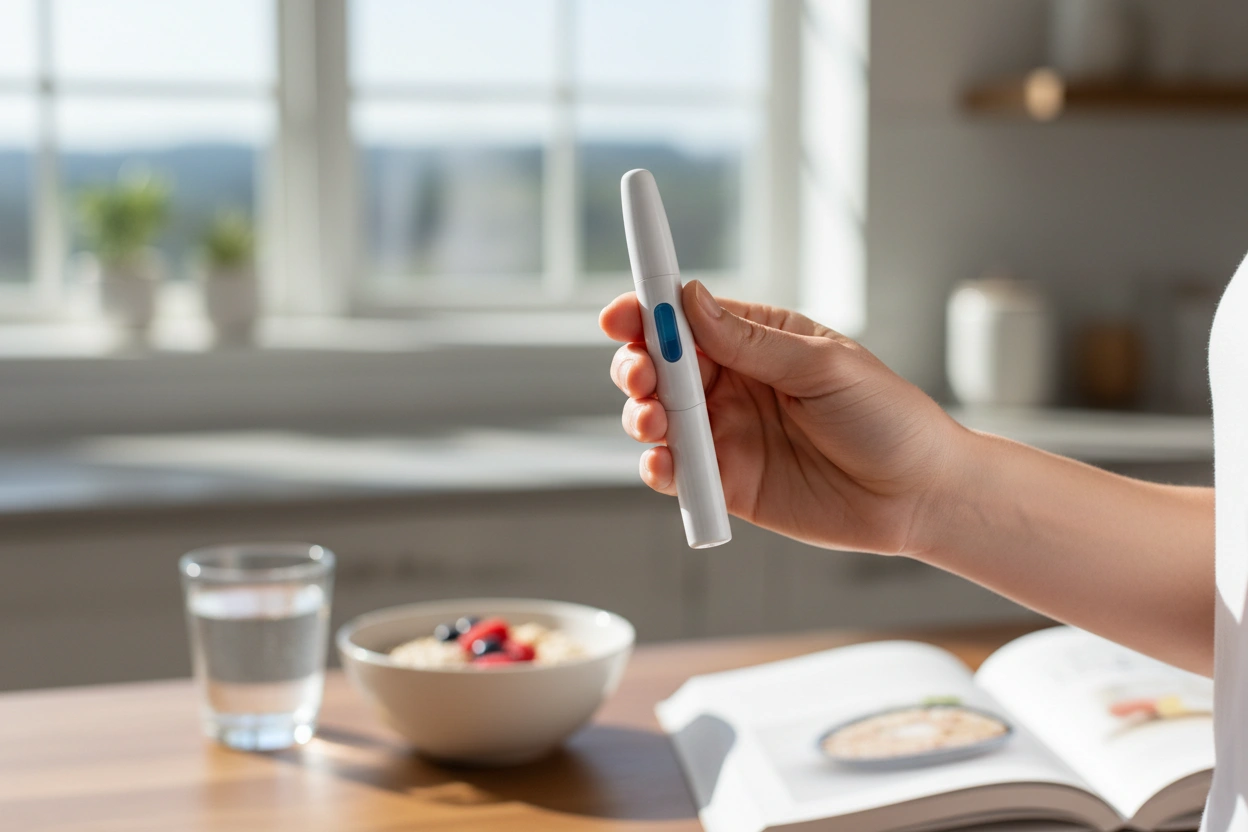
What Are GLP-1 Medications?
GLP-1 medications, or glucagon-like peptide-1 receptor agonists, are a class of drugs designed to mimic the effects of the naturally occurring hormone GLP-1 in the body. This hormone plays a crucial role in glucose metabolism and appetite regulation. By enhancing the secretion of insulin, inhibiting glucagon release, and promoting satiety, GLP-1 medications have become vital tools in managing type 2 diabetes and aiding weight loss.
Commonly prescribed GLP-1 medications include:
- Semaglutide (marketed as Wegovy and Ozempic)
- Liraglutide (marketed as Saxenda and Victoza)
- Dulaglutide (marketed as Trulicity)
These medications have shown promising results in clinical trials, with many patients experiencing significant weight loss and improved glycemic control.
Mechanism of Action
The mechanism of action for GLP-1 medications is multifaceted. They primarily work by:
- Stimulating insulin secretion in response to meals.
- Suppressing glucagon release, which helps lower blood sugar levels.
- Slowing gastric emptying, which can lead to prolonged feelings of fullness.
- Reducing appetite by acting on the brain's appetite centers.
This combination of actions not only aids in weight loss but also influences digestion, leading to various patient experiences that are essential to understand.
The Impact of GLP-1 Medications on Digestion
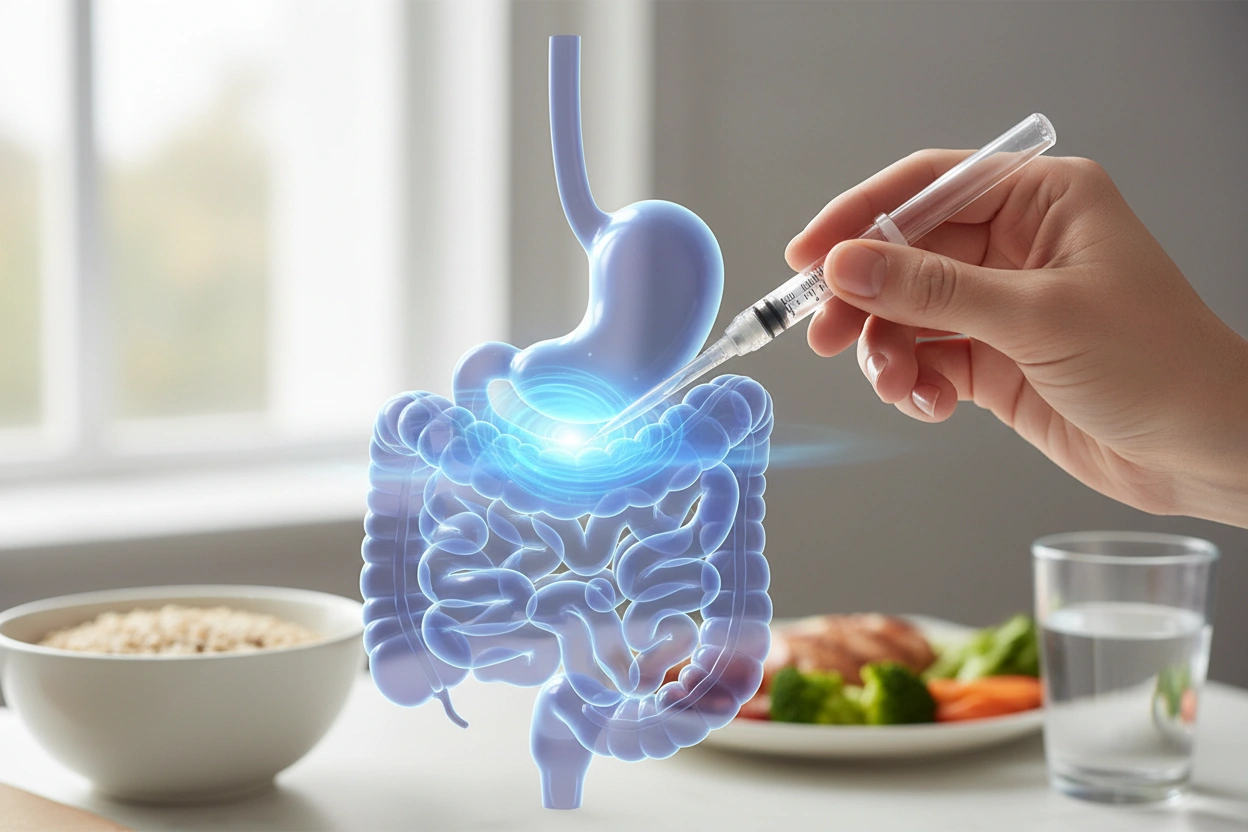
Effects on Gastric Emptying
One of the most notable effects of GLP-1 medications is their ability to slow gastric emptying. This process involves the rate at which food exits the stomach and enters the small intestine. A slower gastric emptying rate can lead to:
- Prolonged satiety, reducing overall caloric intake.
- Improved glycemic control, as food is absorbed more gradually.
- Potential gastrointestinal side effects such as nausea and bloating.
Patients often report that they feel fuller for longer after meals, which can be beneficial for weight management. However, the delay in gastric emptying may also lead to discomfort for some individuals, especially when consuming larger meals.
Changes in Appetite and Food Preferences
GLP-1 medications have a profound impact on appetite regulation. Many users find that their cravings for high-calorie, sugary foods diminish, allowing for healthier eating habits. This shift can be attributed to:
- Enhanced feelings of fullness after meals.
- Altered taste preferences, often favoring nutritious options over processed foods.
Patients are encouraged to embrace these changes and focus on nutrient-dense foods to maximize the benefits of their medication. Incorporating a balanced diet can further support weight loss efforts and overall health.
Diet and GLP-1 Medications
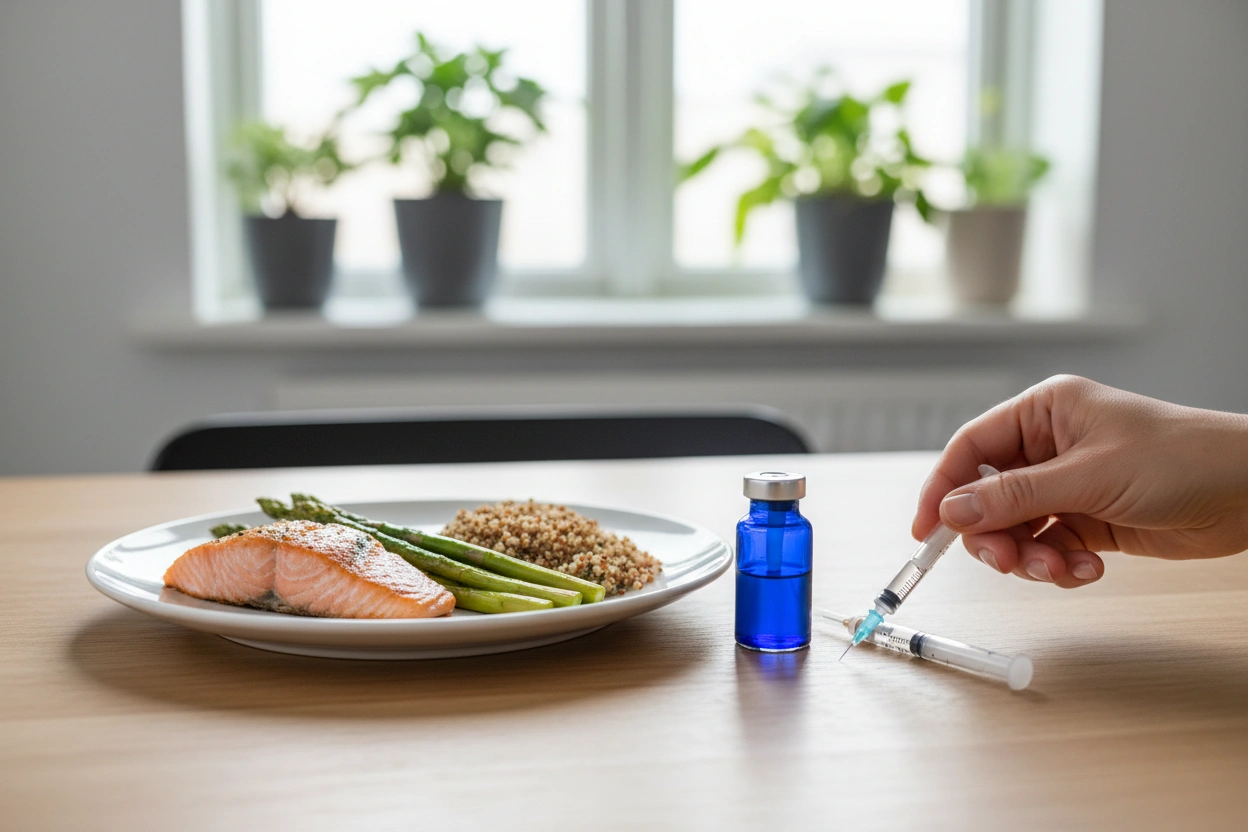
Essential Dietary Considerations
When taking GLP-1 medications, certain dietary strategies can enhance their effectiveness and minimize side effects. Here are key considerations:
- Focus on High-Protein Foods: Protein helps promote satiety and can mitigate the appetite-stimulating effects of GLP-1 medications. Incorporate lean meats, beans, and legumes into your meals.
- Increase Fiber Intake: Foods rich in fiber, such as fruits, vegetables, and whole grains, can aid digestion and improve overall gut health.
- Stay Hydrated: Drinking plenty of water can help alleviate some gastrointestinal discomfort associated with GLP-1 medications.
Wegovy Weight Loss Tips
For those specifically using Wegovy, here are effective weight loss tips to consider:
- Plan Balanced Meals: Aim for meals that include a healthy balance of macronutrients—proteins, fats, and carbohydrates—to sustain energy levels throughout the day.
- Mindful Eating: Practice eating slowly and savoring each bite, which can enhance feelings of fullness and prevent overeating.
- Regular Meal Timing: Establishing a consistent eating schedule can help regulate hunger cues and improve adherence to dietary goals.
By implementing these strategies, patients can maximize the benefits of GLP-1 medications while minimizing potential side effects related to digestion.
Common Misconceptions About GLP-1 Medications
Misunderstanding Side Effects
Many patients fear the side effects associated with GLP-1 medications, particularly gastrointestinal issues like nausea and diarrhea. While these side effects are common, they often diminish over time as the body adjusts to the medication. It is crucial for patients to communicate with their healthcare providers about their experiences to manage any adverse effects effectively.
The Weight Loss Expectation
Another misconception is that GLP-1 medications are a "magic bullet" for weight loss. While they can significantly aid in weight management, they work best in conjunction with lifestyle changes such as diet and exercise. Patients should be prepared for a comprehensive approach that includes behavioral modifications for optimal results.
The Role of Patient Experiences in Understanding GLP-1 Medications
Gathering Patient Insights
Patient experiences play a vital role in understanding the real-world implications of GLP-1 medications. Many individuals report a range of experiences, from positive weight loss outcomes to challenges with side effects. By gathering and analyzing these insights, healthcare professionals can better tailor treatment plans to individual needs.
Sharing Experiences for Improved Outcomes
Patients are encouraged to share their experiences, whether through support groups, online forums, or with healthcare providers. These discussions can foster a better understanding of what to expect and how to navigate the challenges associated with GLP-1 medications.
The Intersection of GLP-1 Medications and Your Health Journey
Navigating the complexities of GLP-1 medications can be challenging, yet it is a journey that many are embarking on to improve their health and manage weight effectively. With the right dietary strategies, understanding of side effects, and a supportive community, patients can harness the full potential of these medications.
FlowWell — Finally Feel Good on Your GLP is dedicated to supporting individuals on their health journeys. By providing resources, insights, and community engagement, FlowWell aims to enhance the experiences of those utilizing GLP-1 medications.
Embracing Your Journey with FlowWell
As you explore the impact of GLP-1 medications on digestion and weight management, remember that you are not alone in this journey. FlowWell — Finally Feel Good on Your GLP is here to provide the support and information you need. For more insights and resources tailored to your experience, visit FlowWell — Finally Feel Good on Your GLP.
With the right approach, GLP-1 medications can significantly improve your quality of life, enabling you to achieve your health goals. Embrace the journey and let FlowWell guide you toward a healthier future.
Managing GLP-1 side effects? Our articles can help.
Evidence-based articles written for real patients — covering constipation relief, fiber intake, medication adherence, and more.