How the Difference Between GLP-1 and GLP-2 Affects Weight Loss
Explore how the difference between GLP-1 and GLP-2 influences weight loss, appetite regulation, and metabolic processes critical for health.
How the Difference Between GLP-1 and GLP-2 Affects Weight Loss
Understanding the difference between GLP-1 and GLP-2 is crucial for anyone interested in the metabolic processes that influence weight loss. These two peptides play distinct roles in the body, particularly regarding appetite regulation, glucose metabolism, and fat storage. With obesity becoming a significant health concern globally, the exploration of these hormones has garnered increased attention from both the scientific community and the general public.
GLP-1 (Glucagon-Like Peptide-1) and GLP-2 (Glucagon-Like Peptide-2) are both products of the proglucagon gene and are secreted by the intestinal L-cells in response to food intake. Although they share some structural similarities, their functions diverge significantly, affecting how they contribute to weight management. This article delves into the fundamental differences between GLP-1 and GLP-2, their roles in weight loss, and their impact on metabolism.
The Biological Roles of GLP-1 and GLP-2
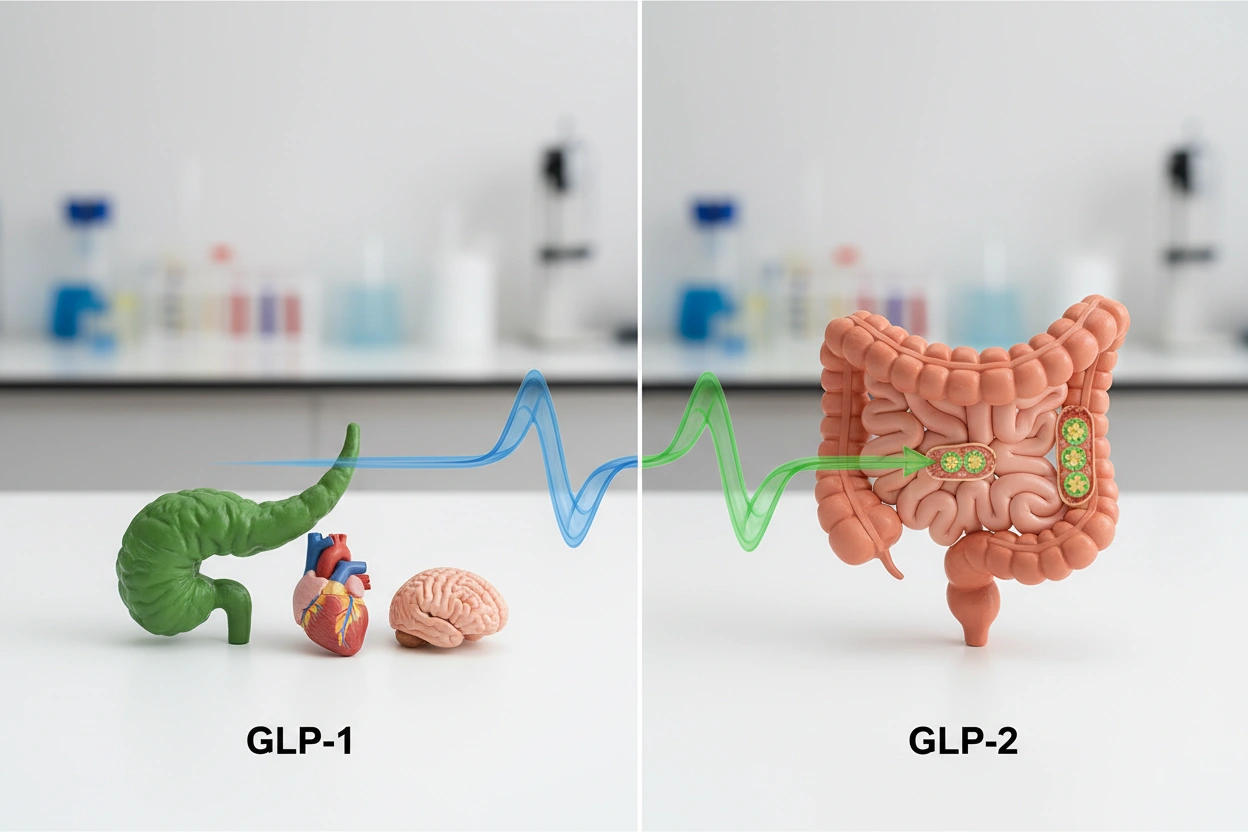
Understanding GLP-1
GLP-1 is primarily known for its role in enhancing insulin secretion in response to meals. It also plays a significant part in appetite regulation and slowing gastric emptying. Here are some of its key functions:
- Insulin Secretion: GLP-1 stimulates the pancreas to release insulin, which helps lower blood glucose levels after meals.
- Appetite Suppression: By acting on the brain, GLP-1 promotes satiety, leading individuals to feel full sooner and consume less food.
- Gastric Emptying: GLP-1 slows the rate at which food leaves the stomach, which can prolong feelings of fullness.
Given these functions, GLP-1 has been a focal point in developing medications aimed at weight loss and diabetes management, such as GLP-1 receptor agonists.
Understanding GLP-2
In contrast, GLP-2 has a different role in the body, focusing primarily on gut health and nutrient absorption. Its functions include:
- Intestinal Growth and Repair: GLP-2 promotes the growth and repair of the intestinal lining, enhancing nutrient absorption.
- Nutrient Utilization: It aids in the efficient utilization of nutrients by regulating intestinal motility and improving the absorption of carbohydrates and fats.
- Glycemic Control: While it does not directly stimulate insulin secretion like GLP-1, GLP-2 helps in maintaining glucose homeostasis through its effects on the gut.
While GLP-2 does not have the same appetite-suppressing properties as GLP-1, it plays a vital role in overall metabolic health and efficiency.
The Difference Between GLP-1 and GLP-2 in Weight Loss

Mechanisms of Action
The fundamental difference between GLP-1 and GLP-2 lies in their mechanisms of action concerning weight loss and metabolism:
Appetite Regulation: GLP-1 actively reduces appetite and food intake, making it a powerful ally for weight loss. In contrast, GLP-2 does not have a direct effect on appetite but supports overall gut health, which can indirectly influence weight management.
Insulin Response: The insulinotropic effect of GLP-1 aids in controlling blood sugar levels, which is crucial for preventing insulin resistance—a common issue in obesity. GLP-2, while beneficial for gut health, does not stimulate insulin secretion, making it less effective in managing blood glucose levels.
Energy Utilization: GLP-1 promotes energy expenditure by enhancing fat oxidation, while GLP-2 focuses more on nutrient absorption and gut function, which may not directly contribute to weight loss.
Clinical Implications
The clinical implications of the difference between GLP-1 and GLP-2 are significant, especially in developing therapeutic strategies for obesity and metabolic disorders. GLP-1 receptor agonists, such as semaglutide and liraglutide, have demonstrated substantial weight loss effects in clinical trials. These medications not only enhance weight loss but also improve glycemic control in individuals with type 2 diabetes.
Conversely, while GLP-2 has potential benefits for gut health, its role in weight management is less direct. However, maintaining a healthy gut can support overall metabolic function, which is essential for long-term weight management.
How GLP-1 and GLP-2 Affect Metabolism

GLP-1 and Its Impact on Metabolic Processes
GLP-1 significantly influences various metabolic processes, making it a critical player in weight loss strategies. Key impacts include:
- Enhanced Lipolysis: GLP-1 promotes the breakdown of fats in adipose tissue, contributing to fat loss.
- Reduced Lipogenesis: It inhibits the synthesis of new fat cells, which can help prevent further weight gain.
- Improved Insulin Sensitivity: By enhancing insulin action, GLP-1 helps the body utilize glucose more effectively, reducing the likelihood of storing excess calories as fat.
GLP-2 and Its Role in Nutrient Absorption
While GLP-2 does not directly promote weight loss, it enhances metabolic processes related to nutrient absorption and gut health:
- Optimized Nutrient Absorption: By promoting intestinal health, GLP-2 ensures that the body effectively absorbs nutrients, which can support energy levels and overall metabolism.
- Gut Microbiome Health: A healthy gut environment, aided by GLP-2, can influence metabolic health and weight management indirectly through improved digestion and nutrient availability.
Common Misconceptions About GLP-1 and GLP-2
Misconception 1: GLP-1 and GLP-2 are Interchangeable
One of the most common misconceptions is that GLP-1 and GLP-2 serve the same purpose. While they originate from the same proglucagon molecule, their functions are distinct. Understanding these differences is crucial for effective weight loss strategies.
Misconception 2: GLP-2 is Not Important for Weight Loss
Another misunderstanding is that GLP-2 has no relevance in weight loss discussions. Although it does not directly suppress appetite, GLP-2 plays a vital role in maintaining gut health, which is foundational for effective metabolism and weight management.
Misconception 3: All GLP-1 Agonists are the Same
Not all GLP-1 receptor agonists are created equal. Variations in their structure and pharmacokinetics can lead to different effects on weight loss and glycemic control. It is essential to consult healthcare providers to determine which option might be most effective based on individual health profiles.
Practical Insights for Weight Loss
Incorporating GLP-1 and GLP-2 into Your Weight Loss Strategy
- Consider GLP-1 Agonists: If you are struggling with weight loss, discuss with your healthcare provider whether GLP-1 receptor agonists may be suitable for you.
- Focus on Gut Health: Prioritize foods that support gut health, such as fiber-rich vegetables, whole grains, and fermented foods, to enhance the effects of GLP-2.
- Monitor Nutritional Intake: Keep track of your macronutrient intake to ensure a balanced diet that supports both GLP-1 and GLP-2 functions.
- Engage in Regular Physical Activity: Exercise can enhance the effects of GLP-1 and promote overall metabolic health.
Common Mistakes to Avoid
- Neglecting Gut Health: Focusing solely on GLP-1 without considering gut health can hinder weight loss efforts.
- Overlooking Individual Responses: Each individual may respond differently to GLP-1 and GLP-2 based on their unique metabolic profiles.
- Ignoring Professional Guidance: Always consult with healthcare professionals when considering medications or significant dietary changes.
The Impact of GLP-1 and GLP-2 on Future Weight Loss Research
As research continues to evolve, the understanding of GLP-1 and GLP-2 will likely expand, offering new insights into weight loss strategies. Future studies may explore how these peptides can be effectively manipulated for therapeutic purposes, potentially leading to innovative treatments for obesity and related metabolic disorders.
Embracing a Holistic Approach to Weight Management
FlowWell — Finally Feel Good on Your GLP
The intersection of GLP-1 and GLP-2 offers a fascinating glimpse into the complexities of weight loss and metabolism. By understanding the difference between GLP-1 and GLP-2, individuals can make informed choices about their health and weight management strategies.
For those seeking to optimize their weight loss journey, FlowWell — Finally Feel Good on Your GLP provides valuable resources and support. Whether you are looking to explore GLP-1 receptor agonists or enhance your gut health through proper nutrition, FlowWell — Finally Feel Good on Your GLP can help you navigate this complex landscape.
Visit FlowWell — Finally Feel Good on Your GLP to learn more about how these peptides can support your weight loss journey and overall health.
Managing GLP-1 side effects? Our articles can help.
Evidence-based articles written for real patients — covering constipation relief, fiber intake, medication adherence, and more.