Top Plant-Based Protein Sources for Weight Loss Success
Discover the best plant-based protein sources that aid in weight loss, enhance satiety, and support muscle maintenance for a healthier lifestyle.
Top Plant-Based Protein Sources for Weight Loss Success
In the quest for weight loss, protein emerges as a crucial component of a balanced diet. As a macronutrient, protein plays a vital role in muscle maintenance, satiety, and overall metabolic health. In recent years, the popularity of plant-based diets has surged, leading many to seek high protein foods that align with their health goals. This article delves into the top plant-based protein sources that not only support weight loss but also contribute to overall health and well-being.
Understanding Protein and Its Role in Weight Loss
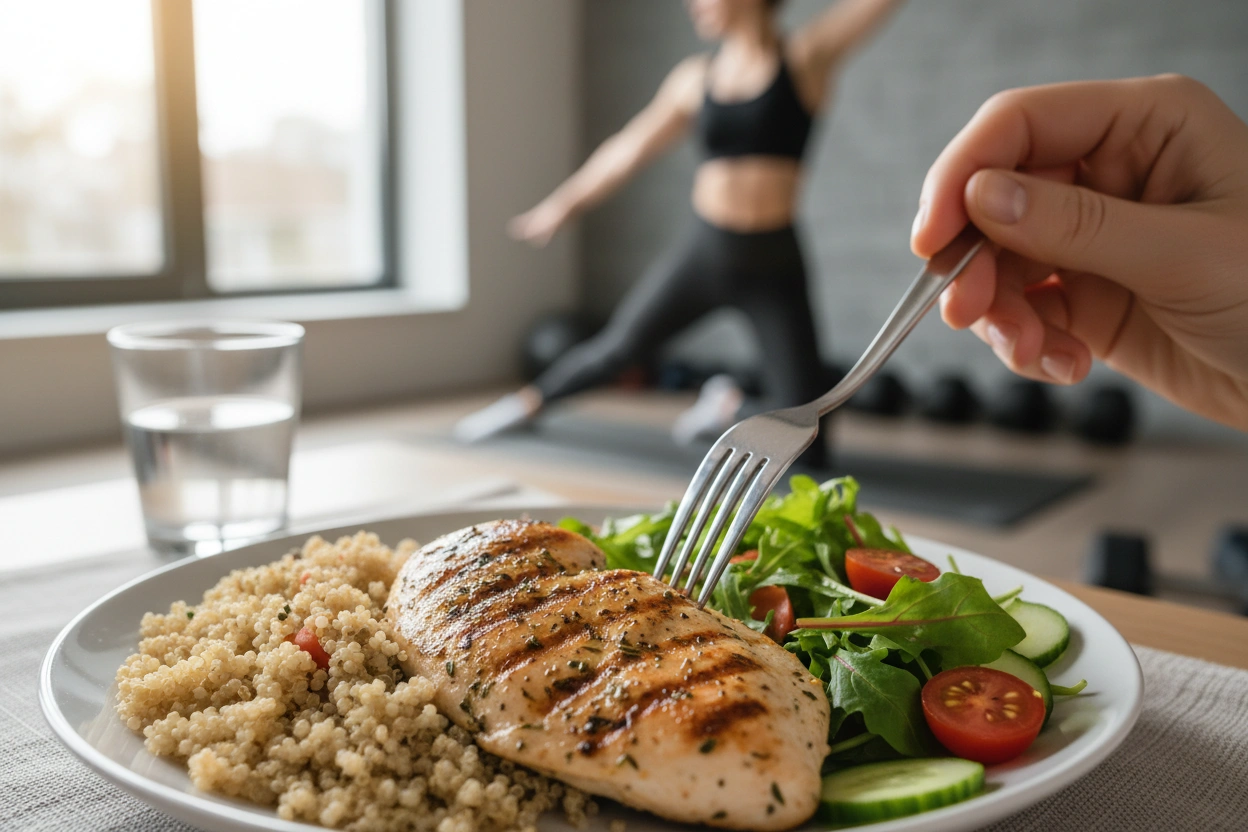
Protein is essential for various bodily functions, including muscle repair and growth, hormone production, and immune response. When it comes to weight loss, a high-protein foods to prioritize intake can help you feel fuller for longer periods, reducing the likelihood of snacking between meals. Additionally, protein has a higher thermic effect compared to fats and carbohydrates, meaning that your body burns more calories digesting protein-rich foods.
Why Plant-Based Protein Matters
Incorporating plant-based protein sources into your diet can provide numerous health benefits. These sources are often rich in fiber, vitamins, and minerals while being lower in calories and saturated fats compared to animal products. This makes them an excellent choice for individuals looking to lose weight without sacrificing nutrition. Moreover, consuming a variety of plant-based proteins can help ensure that you obtain all the essential amino acids your body needs.
Common Misconceptions About Plant-Based Proteins
A prevalent misconception is that plant-based proteins are inferior to animal proteins in terms of quality and bioavailability. However, many plant-based protein sources offer a complete amino acid profile when combined with other foods. For instance, pairing beans with rice or quinoa with lentils can create a complete protein source. Additionally, concerns about protein intake can often be mitigated by incorporating a diverse range of protein-rich foods into your diet.
Top Plant-Based Protein Sources
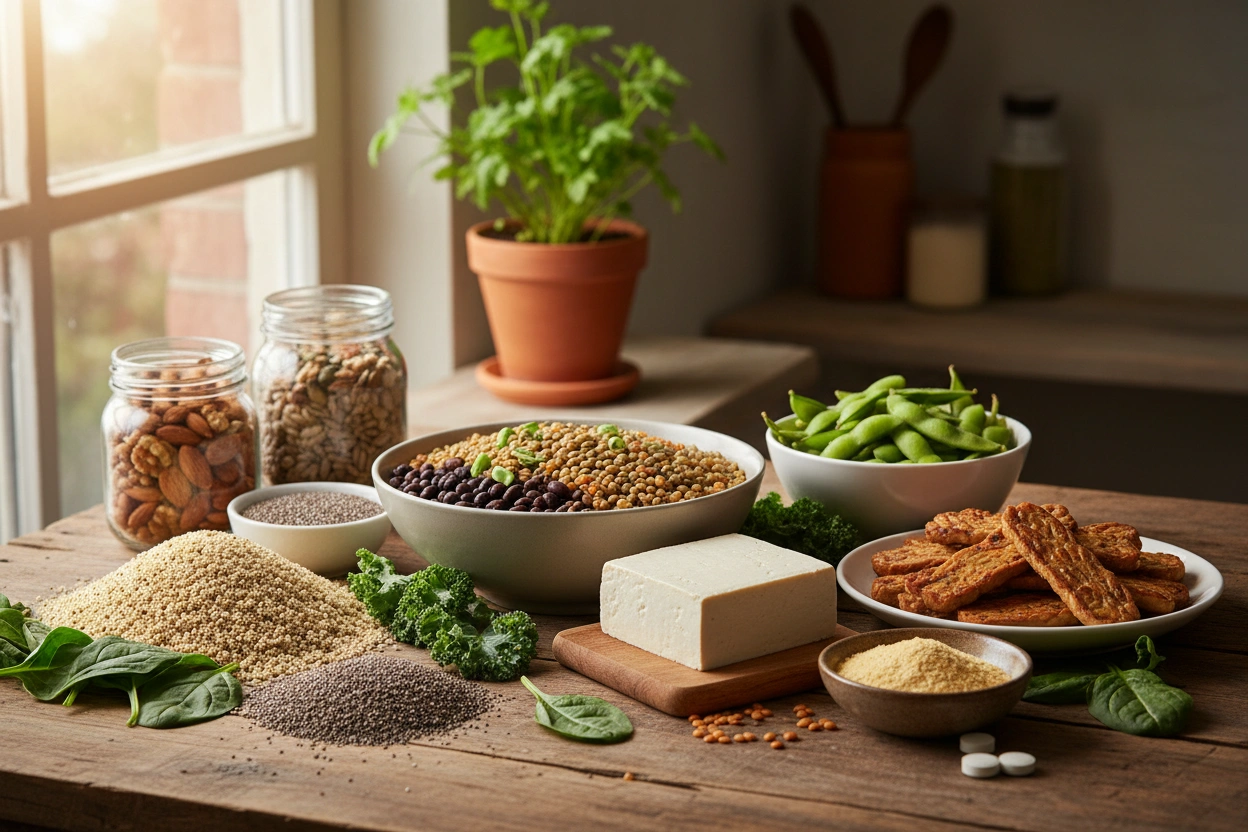
Here are some of the most effective plant-based protein sources that can aid in weight loss:
Lentils
- Lentils are a powerhouse of protein, containing about 18 grams of protein per cooked cup. They are also rich in fiber, which promotes satiety and aids digestion. With their versatile nature, lentils can be used in soups, stews, salads, and even as a meat substitute in various dishes.
Chickpeas
- Chickpeas, or garbanzo beans, provide approximately 15 grams of protein per cooked cup. They are incredibly versatile and can be used in hummus, salads, and curries. Additionally, their high fiber content contributes to feelings of fullness, making them an excellent choice for weight loss.
Quinoa
- Quinoa is a unique grain that offers a complete protein profile with around 8 grams of protein per cooked cup. It is gluten-free and provides essential amino acids, making it a great addition to salads, bowls, or as a side dish.
Tofu and Tempeh
- Both tofu and tempeh are soy-based products that are rich in protein. Tofu contains about 20 grams of protein per cup, while tempeh boasts around 30 grams. These foods can absorb flavors well, making them a perfect addition to stir-fries, salads, and sandwiches.
Hemp Seeds
- Hemp seeds are an excellent source of protein, offering about 10 grams per three tablespoons. They are also rich in healthy fats and can be easily added to smoothies, oatmeal, or yogurt for an extra protein boost.
How to Incorporate More Protein into Your Daily Diet
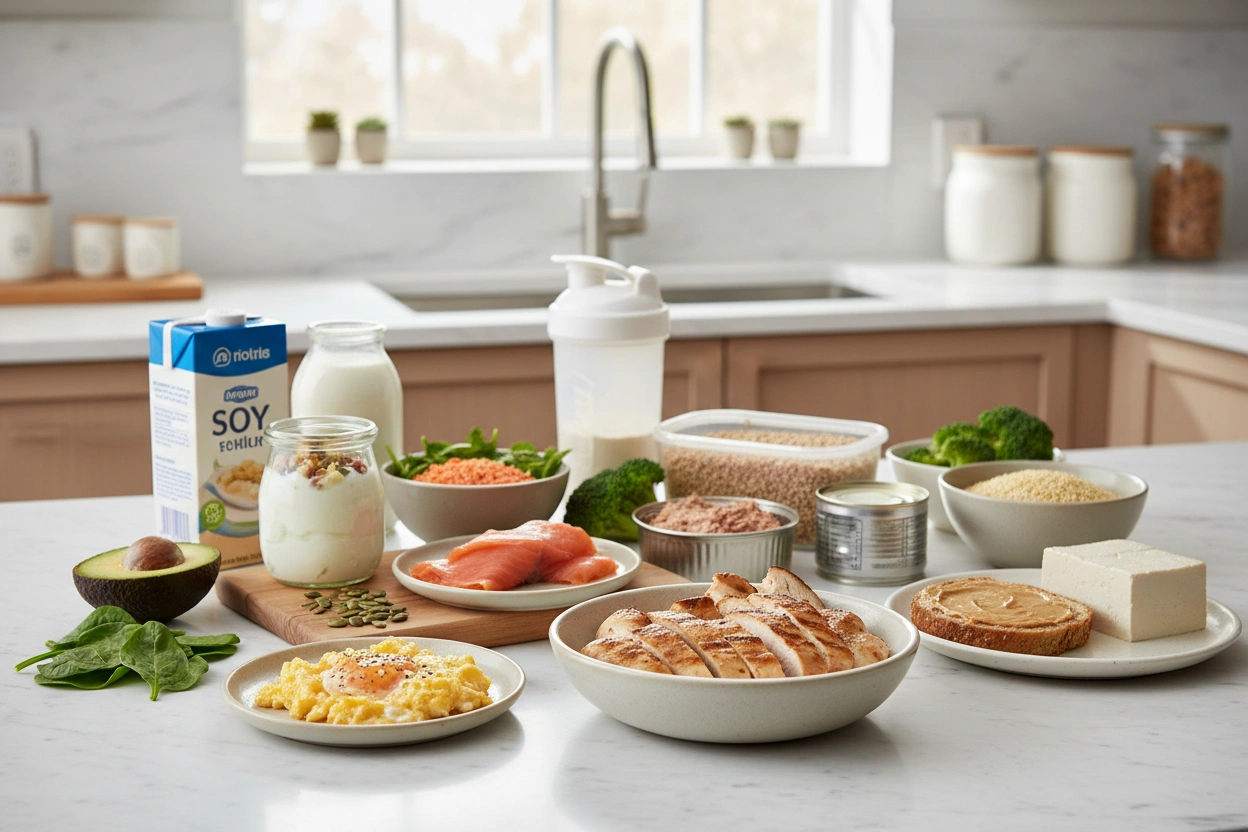
Integrating more protein into your daily meals doesn't have to be complicated. Here are some effective strategies to help you incorporate more protein into your daily diet:
Meal Planning and Preparation
Plan Your Meals
- Begin by planning your meals for the week. Include a variety of high protein foods in each meal to ensure you meet your protein needs. Consider using lentils, chickpeas, and quinoa as base ingredients in your recipes.
Batch Cooking
- Prepare large batches of protein-rich foods, such as lentil soup or quinoa salad, at the beginning of the week. This allows for quick meal options throughout the week, reducing the temptation to reach for less nutritious snacks.
Snack Smart
- Opt for high-protein snacks such as hummus with veggie sticks, roasted chickpeas, or a handful of nuts. These snacks can help maintain your energy levels and keep you satisfied between meals.
Diversify Your Protein Sources
- Incorporate a variety of plant-based protein sources into your diet. This not only keeps your meals interesting but also ensures you receive a wide range of nutrients. Experiment with different recipes and cooking methods to find what you enjoy most.
Use Protein Supplements Wisely
- If you struggle to meet your protein needs through food alone, consider using plant-based protein powders. These can be added to smoothies, oatmeal, or baked goods to boost your protein intake without much effort. However, focus on whole food sources first to ensure a balanced diet.
Common Mistakes When Increasing Protein Intake
While increasing protein in your diet is beneficial, there are common pitfalls to avoid:
Overlooking Nutrient Balance
- Focusing solely on protein can lead to a lack of other essential nutrients. Ensure that your diet remains balanced by including plenty of fruits, vegetables, and whole grains alongside your protein sources.
Ignoring Portion Sizes
Relying Solely on Processed Protein Sources
- While protein bars and snacks can be convenient, many are also high in sugars and unhealthy fats. Choose whole, minimally processed foods whenever possible for the best health benefits.
The Importance of Protein Timing
Timing your protein intake can also play a significant role in your weight loss journey. Research suggests that distributing protein intake throughout the day can enhance muscle protein synthesis and promote satiety.
Pre- and Post-Workout Nutrition
- Consuming protein before and after workouts can aid in muscle recovery and growth. Aim for a balanced meal or snack that includes protein within two hours of exercising to optimize your results.
Spreading Protein Intake
- Instead of consuming the majority of your protein in one meal, aim to spread your intake evenly across all meals. This strategy can help maintain energy levels and promote a feeling of fullness throughout the day.
The Role of FlowWell in Your Weight Loss Journey
Incorporating balancing protein and digestive health into your diet is a powerful strategy for weight loss success. However, achieving optimal results often requires a holistic approach that includes proper nutrition, exercise, and overall wellness. FlowWell — Finally Feel Good on Your GLP is dedicated to supporting individuals on their health journeys by providing resources and tools tailored to your needs.
Achieving Balance with FlowWell
FlowWell emphasizes the importance of balancing macronutrients, including protein, to foster a sustainable and healthy lifestyle. By leveraging the insights shared in this article, you can make informed choices about your protein sources and meal planning.
Take the Next Step with FlowWell
As you embark on your journey to incorporate more protein into your diet, consider seeking additional support from The SoWell Protein Guide. Our resources can help you navigate your nutritional needs while ensuring you feel your best every step of the way.
Visit FlowWell — Finally Feel Good on Your GLP to explore our offerings and take charge of your health journey today.