Top Natural Remedies: How to Stop GLP1 Constipation Fast
Discover effective natural remedies on how to stop GLP-1 constipation fast and maintain your digestive health while using GLP-1 medications.
Top Natural Remedies: How to Stop GLP-1 Constipation Fast
Constipation is a common side effect of GLP-1 receptor agonists, such as Ozempic, which are often prescribed for weight management and diabetes control. While these medications can be effective in regulating blood sugar levels and promoting weight loss, they can also lead to uncomfortable gastrointestinal issues, particularly constipation. Understanding how to stop GLP-1 constipation is crucial for maintaining your overall health and well-being. In this article, we will explore natural remedies and dietary tips to alleviate GLP-1 induced constipation effectively.
Understanding GLP-1 and Its Side Effects
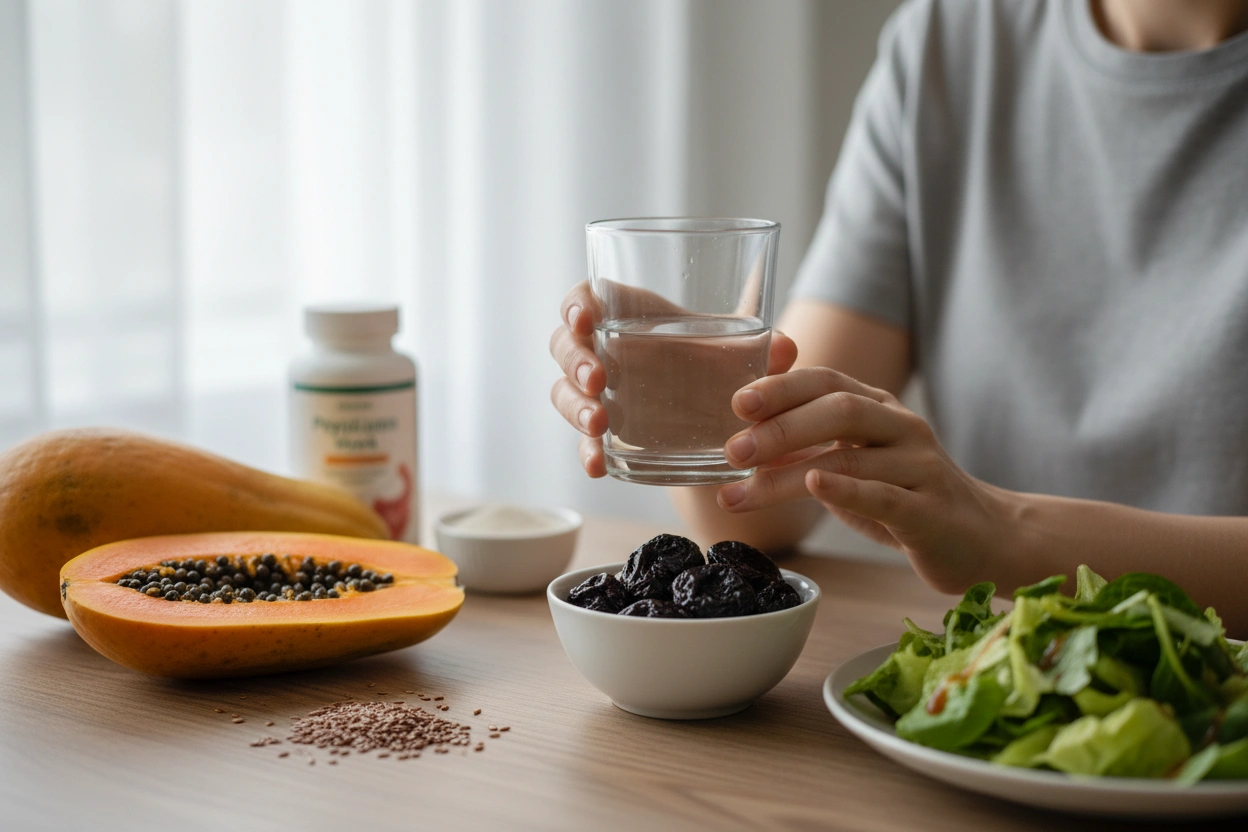
What is GLP-1?
GLP-1, or glucagon-like peptide-1, is a hormone that plays a vital role in glucose metabolism. It is secreted in response to food intake and helps regulate insulin secretion, slows gastric emptying, and promotes satiety. Medications that mimic GLP-1, such as Ozempic, have gained popularity due to their efficacy in managing type 2 diabetes and aiding weight loss.
Common Side Effects of GLP-1 Agonists
While GLP-1 agonists can provide significant health benefits, they often come with side effects. The most common side effects include:
- Nausea
- Vomiting
- Diarrhea
- Constipation
Among these, constipation is particularly troubling for many patients, leading to discomfort and a decreased quality of life. Recognizing how to stop GLP-1 constipation is essential for those experiencing this issue.
Top Dietary Tips to Alleviate GLP-1 Induced Constipation
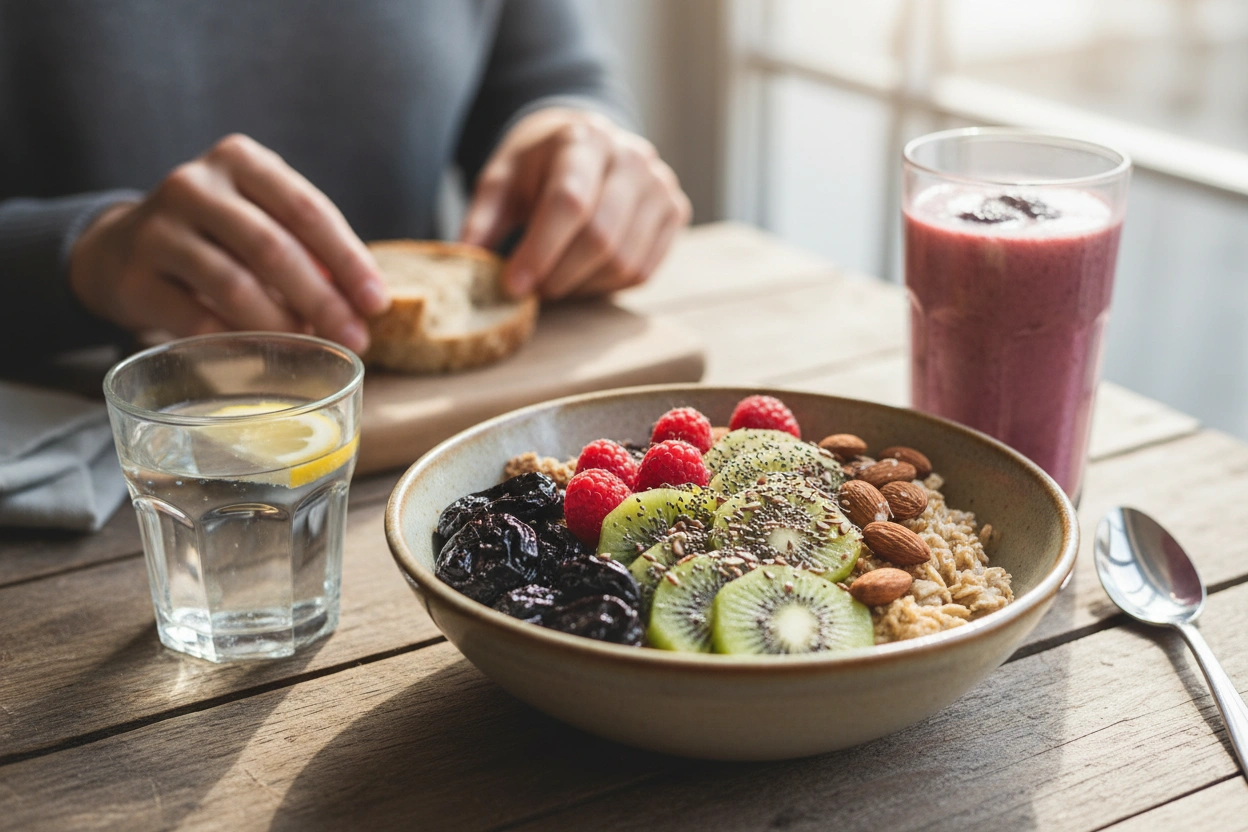
Diet plays a crucial role in managing constipation. Here are some effective dietary strategies to consider:
1. Increase Fiber Intake
A high-fiber diet is one of the most effective ways to combat constipation. Fiber adds bulk to the stool and helps it pass more easily through the intestines. Aim for a daily intake of at least 25-30 grams of fiber. Consider incorporating the following fiber-rich foods:
- Whole grains (oats, brown rice, quinoa)
- Fruits (apples, pears, berries)
- Vegetables (broccoli, carrots, leafy greens)
- Legumes (beans, lentils, chickpeas)
2. Stay Hydrated
Dehydration can exacerbate constipation. Drinking enough water is crucial for keeping the digestive system functioning properly. Aim for at least 8-10 cups of water daily, or more if you are active or live in a hot climate. Herbal teas and broths can also contribute to your fluid intake.
3. Incorporate Probiotics
Probiotics are beneficial bacteria that support gut health and can help alleviate constipation. Foods rich in probiotics include:
- Yogurt
- Kefir
- Sauerkraut
- Kimchi
Adding these foods to your diet can enhance gut flora and improve digestion. Incorporate probiotics for better gut health.
4. Limit Processed Foods
Processed foods often lack fiber and can contribute to digestive issues. Reducing your intake of refined grains, sugary snacks, and fast food can help improve bowel regularity. Instead, focus on whole, unprocessed foods to promote better digestive health.
5. Establish Regular Meal Patterns
Eating meals at consistent times can help regulate bowel movements. Try to eat at similar times each day, and include small, frequent meals rather than large ones. This can stimulate your digestive system and make it easier to manage constipation.
Lifestyle Changes to Consider
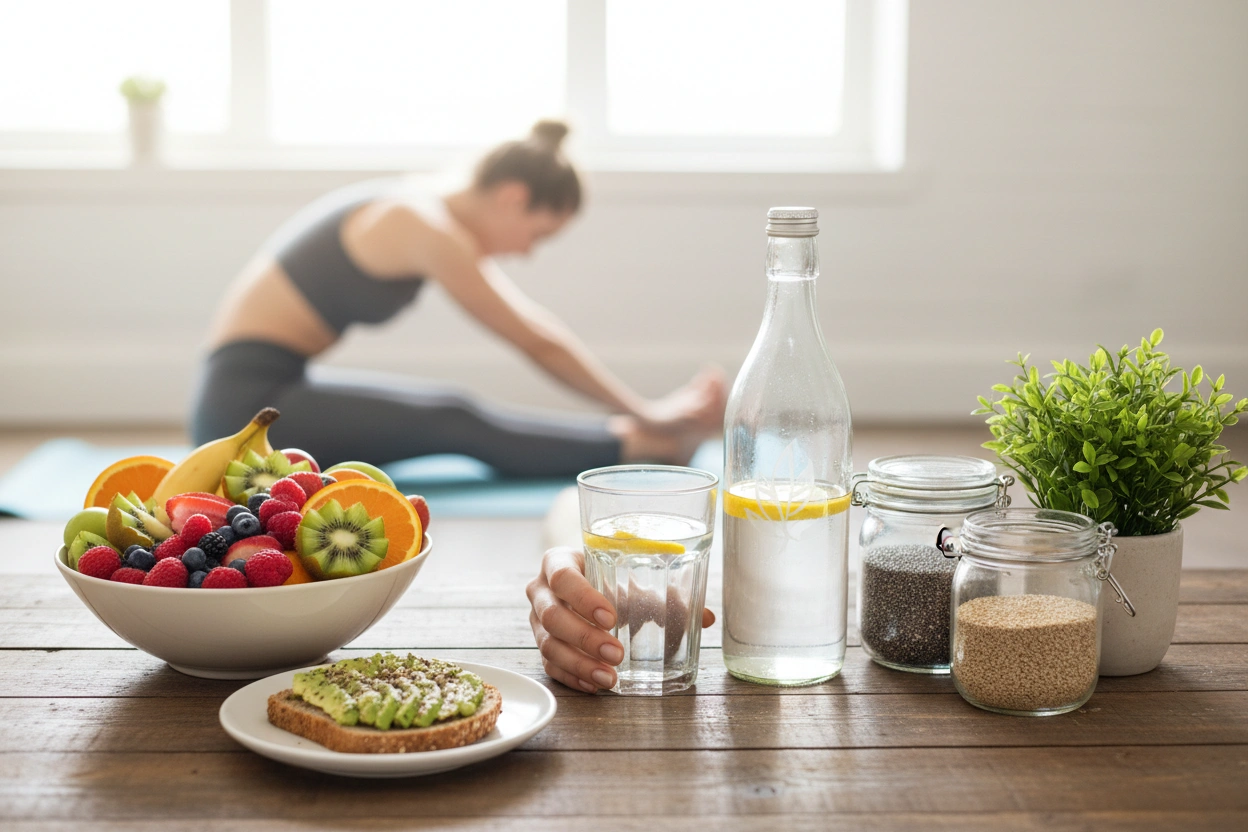
In addition to dietary adjustments, certain lifestyle changes can also help alleviate GLP-1 induced constipation.
1. Increase Physical Activity
Regular exercise can stimulate bowel function and help alleviate constipation. Aim for at least 150 minutes of moderate-intensity aerobic activity each week, such as brisk walking, swimming, or cycling. Additionally, consider incorporating strength training exercises to enhance overall health.
2. Practice Relaxation Techniques
Stress can have a significant impact on digestion. Incorporating relaxation techniques such as yoga, meditation, or deep-breathing exercises can help reduce stress and improve gut function. Establishing a routine that includes time for relaxation can promote better digestive health.
3. Maintain a Healthy Sleep Schedule
Adequate sleep is essential for overall health and can influence digestive function. Aim for 7-9 hours of quality sleep each night. Creating a consistent sleep schedule and a relaxing bedtime routine can improve sleep quality and promote better gut health.
4. Respond to Urges Promptly
Ignoring the urge to have a bowel movement can lead to constipation. Make a habit of responding to your body's signals promptly. Set aside time each day for relaxation in the bathroom, allowing your body to naturally respond to the urge.
Common Misconceptions about GLP-1 and Constipation
1. All Patients Experience Severe Constipation
One common misconception is that all patients on GLP-1 agonists will experience severe constipation. While it is a prevalent side effect, its severity varies among individuals. Some may experience mild discomfort, while others may have significant issues. Monitoring your symptoms and discussing them with your healthcare provider is essential.
2. Over-the-Counter Laxatives Are Always the Solution
Many individuals resort to over-the-counter laxatives as a quick fix for constipation. However, relying on laxatives can lead to dependency and may not address the underlying causes of constipation related to GLP-1 use. It is important to explore natural remedies and dietary changes before considering laxatives.
3. Dietary Changes Take Too Long to Work
Some may believe that dietary changes take too long to yield results. In reality, many individuals experience improvements in bowel regularity within a few days to weeks of implementing dietary and lifestyle changes. Patience and consistency are key.
Additional Natural Remedies
Beyond dietary and lifestyle adjustments, several natural remedies may provide relief from GLP-1 induced constipation.
1. Herbal Teas
Certain herbal teas, such as peppermint, ginger, and dandelion root tea, can aid digestion and relieve constipation. Drinking a warm cup of herbal tea after meals may help stimulate bowel movements.
2. Natural Supplements
Consider using natural supplements such as psyllium husk or flaxseed, which are high in fiber and can promote bowel regularity. Always consult with a healthcare provider before starting any new supplements to ensure they are safe and appropriate for your situation.
3. Warm Water with Lemon
Starting your day with a glass of warm water mixed with lemon juice can stimulate digestion and promote bowel health. The acidity of lemon helps to kick-start digestive enzymes, potentially easing constipation.
The Role of Medical Consultation
While many individuals can manage GLP-1 induced constipation with dietary and lifestyle changes, it is essential to consult with a healthcare provider if symptoms persist. They can offer tailored advice, evaluate medication dosages, or suggest alternative treatments that may alleviate constipation without compromising the benefits of GLP-1 therapy.
The Intersection of Natural Remedies and GLP-1 Management
Understanding how to stop GLP-1 constipation involves a multifaceted approach that includes dietary adjustments, lifestyle changes, and natural remedies. By incorporating these strategies, individuals can improve their digestive health and enhance their overall well-being.
FlowWell — Finally Feel Good on Your GLP offers valuable resources and insights to help you navigate the challenges associated with GLP-1 medications. By focusing on a holistic approach to health, you can find relief from constipation while still managing your diabetes or weight loss journey effectively.
Take Action for Better Digestive Health
Implementing the natural remedies and dietary tips outlined in this article can make a significant difference in alleviating GLP-1 induced constipation. Remember, consistency is key, and it may take time to see improvements.
For more information on how to stop GLP-1 constipation and to access additional resources tailored to your needs, visit FlowWell — Finally Feel Good on Your GLP. Your journey to better digestive health starts now!